















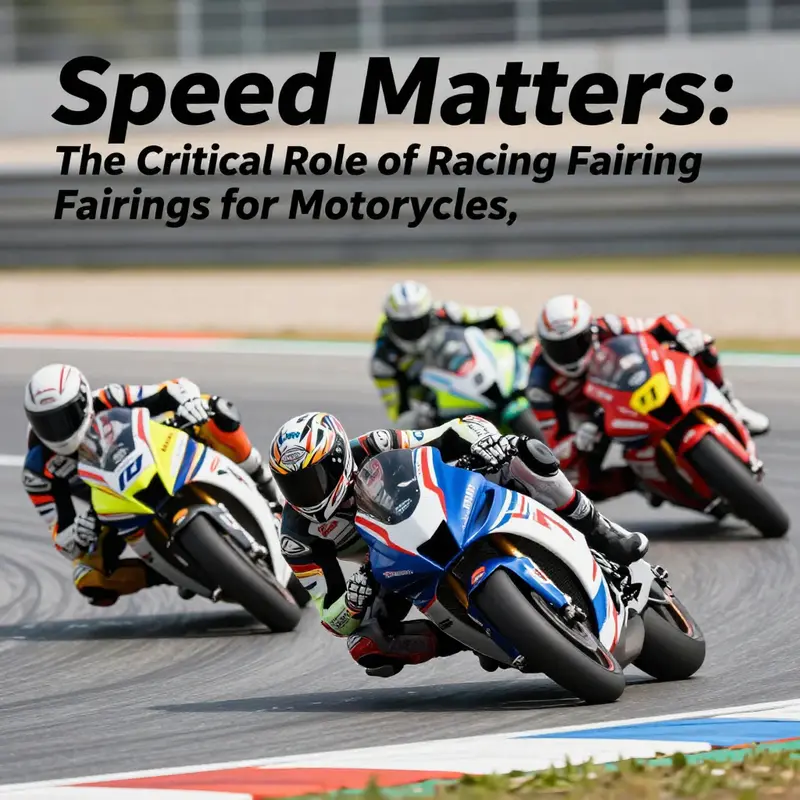
Características de corrida são componentes vitais no mundo da motocicleta competitiva, projetadas para melhorar tanto o desempenho aerodinâmico quanto a experiência geral do piloto. Os proprietários de negócios na indústria de motocicletas devem compreender a importância dessas carcaças, pois sua integração adequada pode significar a diferença no desempenho e na geração de receita de um competidor. Este artigo abordará aspectos essenciais que variam desde aerodinâmica e materiais até técnicas de instalação e tendências do mercado que destacam o potencial econômico deste segmento especializado. Leia mais para descobrir como investir em carcaças de corrida de alta qualidade pode melhorar o desempenho e, por fim, o lucro da sua empresa.
Curvas Rígidas, Ar Suave: Aerodinâmica e Melhoria no Desempenho nas Carcaças de Corrida para Motocicletas
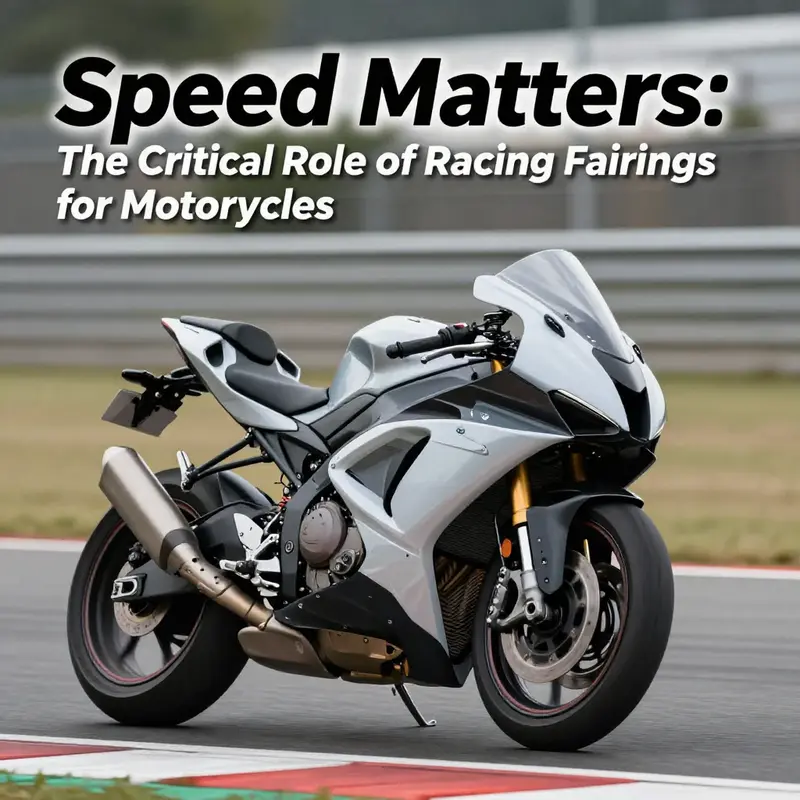 Na pista, a carcaça não é apenas um escudo na frente da moto; é uma ferramenta de modelagem que doma o ar ao redor do piloto e do motor, transformando forças invisíveis em velocidade mensurável. Uma carcaça de corrida bem feita reduz a resistência aerodinâmica, estabiliza a parte dianteira e apoia o resfriamento e o conforto do piloto ao mesmo tempo. A aerodinâmica torna-se um fator decisivo no desempenho quando as pistas exigem precisão em velocidades extremas, onde uma pequena mudança no fluxo pode se traduzir em ganhos significativos no tempo de volta. O espaço de problema não é abstrato: inclui como o ar viaja sobre curvas complexas, como a pressão se acumula na cabeça e no peito, e como o vórtice atrás do piloto interage com a parte traseira da moto. Do ponto de vista de engenharia, o objetivo é um envelope coeso que guia suavemente o ar da ponta para a cauda, com cada contorno contribuindo para um campo de fluxo mais limpo e mais tolerante.
Um aspecto fundamental para compreender este fluxo é o túnel de vento, onde modelos em escala são testados sob condições controladas. Em uma investigação recente, os pesquisadores trabalharam com um modelo em escala que tinha uma razão de bloqueio de cerca de 15%. Esta alta taxa de bloqueio apresentou um desafio: distorce o fluxo natural, complicando a extração de coeficientes aerodinâmicos precisos. No entanto, através de calibração cuidadosa e procedimentos de teste repetíveis, a equipe obteve coeficientes detalhados de força e momento em uma série de números de Reynolds e ângulos de deriva. A lição prática foi clara. Pequenas ajustes na forma da carcaça mudaram as pressões superficiais, alteraram o início da separação do fluxo e mudaram o equilíbrio entre arrasto e estabilidade. Em termos reais, isso significa que alguns milímetros de ajuste na forma podem reduzir o balanço no tórax do piloto, melhorar o conforto da cabeça e dar à máquina uma resposta mais previsível ao entrar em uma curva.
Duas estratégias complementares surgiram para reduzir o arrasto sem comprometer a segurança do piloto ou a integridade estrutural. A primeira é uma abordagem de fixação: dispositivos estilizados adicionados a um conjunto de carcaça existente, projetados para obter ganhos sem reescrever a estrutura major. O segundo caminho é um redesign completo da forma da motocicleta, criando uma silhueta mais integrada que minimiza a área frontal, enquanto preserva a ergonomia do piloto. Os resultados destacaram uma verdade convincente: a redução do arrasto muitas vezes não é sobre uma mudança drástica, mas sobre uma sequência coerente de refinamentos. Quando combinado com o empacotamento cuidadoso da linha de visão do piloto e da posição corporal, isso pode entregar melhorias significativas em eficiência. Em termos práticos, um redesign bem executado pode reduzir o arrasto em cerca de 40%, um número que se mantém em fluxo mais suave, melhor manuseio do vento ao redor do piloto e recuperação de pressão mais favorável atrás da moto. Além dos ganhos principais, essas melhorias também tendem a apoiar a eficiência de resfriamento, direcionando o ar para radiadores e ventilações de maneira controlada, reduzindo o risco de pontos quentes durante as condições de corrida.
Paralelamente aos testes físicos está o crescente papel da dinâmica de fluidos computacional, ou CFD. Trabalhos iniciais de CFD focaram em prever a distribuição de pressão e identificar regiões de separação e recirculação na superfície da carcaça. A promessa era um meio econômico e rápido para classificar conceitos de design antes de comprometê-los com um túnel de vento ou testes na moto. O consenso emergente é que o CFD pode modelar fluxos altamente separados com precisão razoável, desde que as simulações estejam baseadas em condições de limite fisicamente plausíveis e validadas com dados experimentais. O benefício para as equipes de corrida é tangível: ciclos de iteração mais rápidos, melhor compreensão de como pequenas mudanças na posição dos ombros, peito e joelho influenciam a aerodinâmica geral e um caminho mais seguro para otimizar geometrias complexas sem aumentar os custos de desenvolvimento.
Um aspecto fundamental para compreender este fluxo é o túnel de vento, onde modelos em escala são testados em condições controladas. Em uma investigação recente, os pesquisadores trabalharam com um modelo em escala que tinha uma razão de bloqueio de cerca de 15%. Esta alta taxa de bloqueio apresentou um desafio: distorce o fluxo natural, complicando a extração dos coeficientes aerodinâmicos precisos. No entanto, por meio de calibração cuidadosa e procedimentos de teste repetíveis, a equipe obteve coeficientes detalhados de força e momento em uma gama de números de Reynolds e ângulos de deriva. A lição prática foi clara. Pequenas ajustes na forma da carcaça mudaram as pressões superficiais, alteraram o início da separação do fluxo e mudaram o equilíbrio entre arrasto e estabilidade. Em termos práticos, isso significa que alguns milímetros de ajuste na forma podem reduzir o balanço no tórax do piloto, melhorar o conforto do capacete e dar à máquina uma resposta mais previsível quando entra em uma curva.
Duas estratégias complementares surgiram para reduzir o arrasto sem comprometer a segurança do piloto ou a integridade estrutural. A primeira é uma abordagem de fixação: dispositivos esguios adicionados a um conjunto de carcaça existente, projetados para obter ganhos sem reescritas estruturais significativas. O segundo caminho é um redesign completo da forma da motocicleta, criando uma silhueta mais integrada que minimiza a área frontal, enquanto preserva a ergonomia do piloto. Os resultados destacaram uma verdade convincente: a redução do arrasto muitas vezes não é sobre uma mudança drástica, mas sobre uma sequência coerente de refinamentos. Quando combinado com um empacotamento cuidadoso da linha de visão do piloto e da posição corporal, isso pode trazer melhorias significativas em eficiência. Em termos práticos, um redesign bem executado pode resultar em uma redução de cerca de 40% no arrasto, um número que se mantém no fluxo mais suave, na melhora da manipulação do vento ao redor do piloto e na recuperação de pressão mais favorável atrás da moto. Além das vantagens principais, tais melhorias também tendem a apoiar a eficiência de refrigeração, direcionando o ar para radiadores e ventilações de forma controlada, reduzindo o risco de pontos quentes sob condições de corrida.
Paralelamente aos testes físicos está o crescente papel da dinâmica de fluidos computacional, ou CFD. O trabalho inicial com CFD focou em prever a distribuição de pressão e identificar regiões de separação e recirculação na superfície da carcaça. A promessa era um meio econômico e rápido para classificar conceitos de design antes de comprometer-se com um túnel de vento ou testes na moto. O consenso emergente é que o CFD pode modelar fluxos altamente separados com razoável precisão, desde que as simulações estejam baseadas em condições de contorno fisicamente plausíveis e validadas com dados experimentais. O benefício para as equipes de corrida é tangível: ciclos de iteração mais rápidos, melhor compreensão de como pequenas mudanças na posição dos ombros, peito e joelho influenciam a aerodinâmica geral e um caminho mais seguro para otimizar geometrias complexas sem aumentar os custos de desenvolvimento.
A escolha do material é outro fator crítico que define o que é possível na pista. As carcaças de corrida dependem de compostos e polímeros reforçados que oferecem uma relação excepcional de resistência-peso. O fibra de carbono destaca-se pela rigidez e leveza, enquanto o fibra avançada e os polímeros multicamadas oferecem um equilíbrio de custo, resistência a impactos e rigidez ajustável. O desafio é projetar superfícies que permaneçam lisas e estruturalmente sólidas sob a pressão do ar de alta velocidade, vibração e impactos ocasionais, ao mesmo tempo em que acomodam canais de refrigeração e entradas que garantem refrigeração eficiente do motor. A acabamento da superfície é tão importante quanto o laminado. Uma superfície meticulosamente polida reduz a fricção da pele e adia a separação do fluxo, enquanto a microtextura, quando usada com moderação, pode influenciar a camada limite de maneiras que complementam a estratégia aerodinâmica mais ampla. Além do desempenho, a integração estética com as linhas da moto reforça uma sensação de propósito e agressividade que ressoa tanto com pilotos quanto com equipes. Yamaha fairings.
O desafio de design torna-se especialmente agudo ao considerar o conforto do piloto e as realidades da pista. Uma carcaça pronta para a pista deve proteger o piloto da pressão do vento e do barulho excessivo, ao mesmo tempo em que permite acesso fácil à cabine para ajustes e reparos. Ela deve promover refrigeração eficaz mesmo quando o piloto assume uma posição compacta e o chassi inclina-se na curva. O peso permanece uma restrição constante; os engenheiros devem cortar gramas da carroceria sem comprometer rigidez ou segurança. Os conceitos mais eficazes são aqueles que surgem de uma filosofia de design integrado, onde o nariz, as curvas laterais e a cauda são concebidos como um único pacote aerodinâmico, em vez de uma série de acessórios após o fato. A vantagem deste abordagem não é apenas a redução do arrasto, mas um regime de fluxo mais estável que preserva a sensação de direção e reduz a tendência da parte dianteira de se esconder em um vórtice quando a moto é levada ao limite.
Da posição do piloto, a história aerodinâmica se traduz em sensação tangível. Um fluxo de ar mais suave ao redor do capacete reduz a fadiga, enquanto uma ventilação mais estável melhora o rastreamento da linha nas curvas. A interação entre a postura do piloto e a geometria da capa importa; o ar deve se separar claramente ao redor do capacete e dos ombros e se reconectar atrás das costas sem criar turbulência excessiva. A massa do piloto torna-se parte dinâmica do perfil aerodinâmico, e a capa ideal, portanto, apoia o movimento do corpo em vez de opô-lo. Quando o fluxo permanece unido em uma curva, o dianteiro permanece fixo, a confiança cresce e o piloto pode aproveitar o grip atual até o limite, acelerando mais cedo e com mais confiabilidade ao sair da curva. Esses efeitos se propagam em tempos de volta mais baixos, não apenas por velocidade bruta, mas por melhoria na consistência e no controle sob condições de pista variáveis.
As opções de mercado para atualizar uma moto de corrida refletem esse espectro de filosofia aerodinâmica. Alguns pilotos optam por elementos que prometem ganhos rápidos e integração simples, enquanto outros investem em capas personalizadas, específicas para a pista, que exigem ajuste cuidadoso e alinhamento profissional com a geometria da moto. As melhores abordagens harmonizam-se com o chassi - reforçando a estabilidade quando necessário, preservando o conforto do piloto e minimizando o risco de ajuste incorreto que possa comprometer o desempenho ou segurança geral. Para aqueles curiosos sobre modelos específicos, pode ser informativo explorar um conjunto selecionado de capas que se alinham com as linhas e geometria de uma dada moto. Capas da Yamaha, por exemplo, representam uma categoria comum de opções de aftermarket que podem ser avaliadas quanto ao ajuste e consistência em uma plataforma preparada para corrida. Consulte a coleção dedicada para ter uma ideia de como os fabricantes e fornecedores traduzem a intenção aerodinâmica em uma superfície que atende às demandas da pista.
A lição mais ampla é que o desempenho aerodinâmico em capas de corrida é uma síntese de insights do túnel de vento, validação computacional, ciência dos materiais e design centrado no piloto. Redução de arrasto e estabilidade surgem não de um único truque, mas de um processo disciplinado: medir, modelar, testar e iterar em um ciclo que respeita a entrada do piloto como parte essencial do sistema. Quando este processo produz um pacote que flui suavemente com a postura do piloto, esse pacote ajuda a motocicleta a se comportar como um organismo alongado na pista - uma que responde aos comandos do piloto com movimento preciso e previsível, mesmo em cenários de vento transversal forte ou frenagem a alta velocidade. O resultado é uma moto que preserva potência onde importa, minimiza perdas de energia no ar e retorna confiança ao piloto em cada curva.
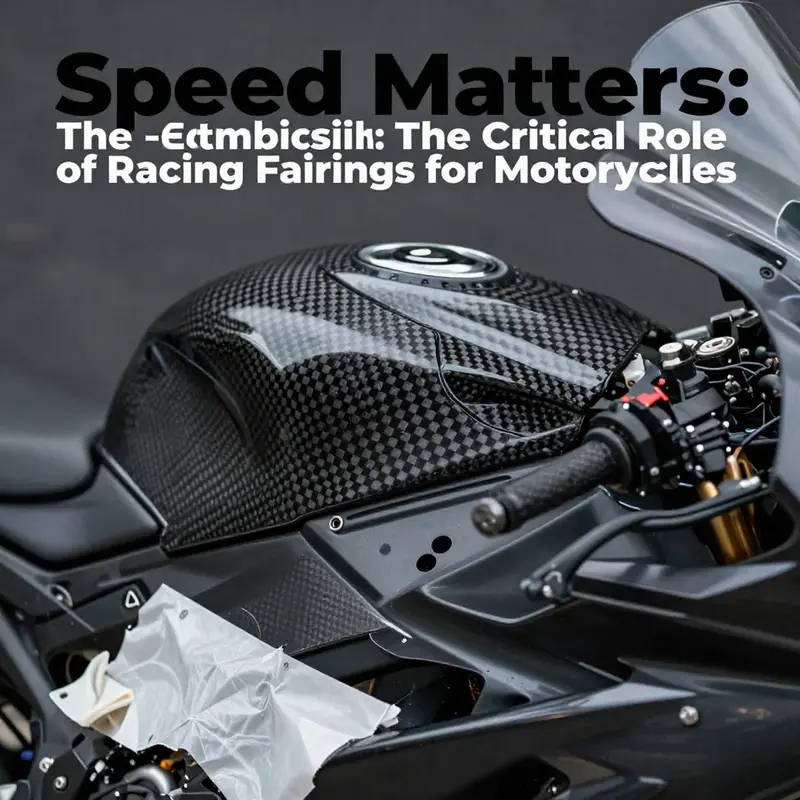 Racing fairings sit at the intersection of aerodynamics, structural engineering, and practical endurance. They are not merely shell panels; they are carefully engineered skins that must slice through air, shed drag, and survive the rigors of high-speed competition where every gram matters and every gust tests the rider’s control. The core question this chapter treats is not which composite looks best in a showroom, but how the chosen materials and their manufacturing realities translate into real-world performance, reliability, and ease of maintenance on the track. In this context, the material palette for racing fairings is dominated by advanced composites, chiefly carbon fiber and fiberglass, with reinforced polymers filling the space where cost or impact considerations dictate a different balance of properties. Each material brings a distinct set of strengths and trade-offs that ripple through the bike’s handling, cooling, and resilience, and together they form a continuum rather than a rigid dichotomy. Carbon fiber stands out for its extraordinary strength-to-weight ratio and stiffness, two attributes that directly influence how cleanly a motorcycle can run through corners at warp speed. When a fairing is made from carbon fiber, the layup strategy becomes a crucial design tool. Engineers specify layers of fiber in multiple directions to tailor the stiffness along the most stressed paths, especially where the fairing interfaces with the wind pressure, the rider’s weight, and the bike’s own geometry. The resin system and the manufacturing process—often a combination of prepregs and vented resin infusion or vacuum-assisted resin transfer—determine how well those fibers perform under aerodynamic loading and thermal cycling. In practice, a carbon-fiber fairing saves weight without sacrificing rigidity, which helps maintain a stable platform at the apex of a high-speed bend. This stability is not just about reducing drag; it’s about keeping the front end planted, the rider shielded from buffeting, and the chassis cadence predictable as speeds climb. Yet carbon fiber is not a silver bullet. Its outstanding properties hinge on meticulous workmanship. Carving complex shapes from carbon requires precise control of ply orientation, resin content, and void management. Small manufacturing defects—air pockets, misaligned plies, or uneven cure—can become crack initiation points under repeated loads or in a bending impact. Even when a carbon fairing holds its shape under normal loads, a sharp impact can induce microcracks that propagate with heat, vibration, and continued exposure to debris on the track. This is not merely a cosmetic concern; microcracks can alter aerodynamic airflow, raise drag, or, in extreme cases, compromise the fairing’s structural integrity. On the other hand, fiberglass presents a different set of trade-offs that make it a practical alternative where cost, repairability, and impact resistance are prioritized. Fiberglass blends well with a lower price point while delivering respectable rigidity and good energy absorption when struck by debris or during a minor crash. The energy dissipation characteristics of fiberglass can be more forgiving in the field, enabling quicker, more economical repairs at a paddock bench or in a workshop. Its interfaces with carbon fiber or reinforced polymers are particularly important in mixed-material configurations, where the bonding method and the transition between materials must manage differences in stiffness, thermal expansion, and moisture uptake. Reinforced polymers, often comprising aramid fibers or other toughened matrices, occupy a middle ground. They can extend impact resistance and improve resistance to fatigue without pushing the weight budget beyond reasonable limits. In practice, a race fairing might use a carbon-fiber skin for the most critical load paths, with fiberglass or reinforced polymer sections where durability and cost are dominant considerations. This kind of graded material approach allows designers to concentrate carbon fiber where it yields the most benefit while providing robust protection in zones exposed to debris or abrasion. The materials’ performance is inseparable from the environmental and operating conditions encountered on the track. Debris, temperature fluctuations, and constant aerodynamic stress shape how a fairing behaves over time. Road debris at racing speeds can cause localized damage that, if left unchecked, can propagate through the laminate. The risk is not only catastrophic failure but also progressive delamination or microcracking that changes the airflow—an unwelcome shift in drag and stability. Temperature cycles, especially in endurance events or long sessions, test the resin systems and the matrix–fiber interface. A fairing must withstand the heat of the engine bay, the radiant heat from the sun, and the cold air that follows the bike off the straight. Resin systems that cure to a higher glass transition temperature help maintain rigidity and dimensional stability when the fairing expands and contracts with heat. In addition, moisture ingress can alter the mechanical properties of certain resins, particularly where open-structured fiberglass laminates are involved. Proper sealing, the use of compatible resins, and careful venting during curing are all part of a manufacturing discipline aimed at minimizing water uptake, which can otherwise reduce stiffness and affect shape retention under load. Practical durability is also tied to repairability and inspection regimes. Carbon-fiber panels, while lighter and stiffer, tend to be more challenging to repair because damage may be localized to a small area yet require full-panel remediation to restore a smooth surface and correct airflow characteristics. Fiberglass panels, by contrast, are often easier to patch and rework in a variety of workshop settings, which can be beneficial for teams operating on tight budgets or with limited access to high-end fabrication tools. Yet repair ease does not absolve the rider or team from a rigorous inspection routine. Routine checks for delamination, surface cracks, resin cracking, and adhesive bond integrity are essential. The interface between the fairing and the frame, plus the mounting hardware, also deserves attention. Improper mounting load paths, torque, or overtightened fasteners can chip edges, crack corners, or create lugging effects that concentrate stress. In a high-demand sport context, where cornering loads are extreme and wind pressures peak, those stress concentrations matter. The durability story extends to the assembly process itself. Cleanliness during bonding, proper surface preparation, and the use of compatible adhesives ensure that the laminate remains bonded under vibration and heat. The collaboration between the skin and the substructure—ribs, backing plates, and connection points—defines how well a fairing preserves its shape and continues to deliver predictable aerodynamics lap after lap. There is a practical dimension to these material choices beyond raw physics. The track environment demands consistency in performance across sessions and seasons, which implies predictable aging behavior. A well-designed composite fairing will retain its geometry under repeated loading, resist creep in exposed regions, and deter moisture intrusion that could otherwise alter stiffness. This durability is intertwined with the fairing’s cooling strategy. Aerodynamic shaping affects not only drag and lift but also how air flows around the engine and radiators. A fairing that maintains a clean, laminar boundary layer reduces pressure drag and allows the radiator and cooling ducts to function more effectively, ensuring the engine runs at stable temperatures that do not degrade performance or shorten service life. The knowledge base for these materials reflects a broader engineering context that extends beyond a single team or season. For those seeking deeper, standards-driven insights into racing motorcycles, a comprehensive reference in a Japanese context offers technical depth on material standards, specifications, and performance expectations. This resource provides guidance on how the material choices for fairings align with broader racing-specific requirements and testing protocols that gauge long-term behavior under track conditions. In everyday practice, the practical takeaway is a layered one: choose a material and a layup approach that aligns with the track’s demands, the rider’s tolerance for repair complexity, and the budgetary framework of the team. The fairing must deliver a reliable aerodynamic surface with predictable response to steering inputs, while also maintaining compatibility with the bike’s cooling, electrical, and cosmetic systems. That means a holistic view of compatibility, not just isolated properties. It also means recognizing that there is no one-size-fits-all material solution. Carbon fiber excels where weight and rigidity matter most, but fiberglass and reinforced polymers shine where affordability, repairability, and impact resistance are valued. The best practice is a deliberate mapping of load paths, exposure, and service conditions, followed by a manufacturing plan that minimizes defects and ensures repeatable results on the track. For teams and builders, this translates into an emphasis on process controls, cure schedules, and inspection routines that protect the aerodynamic surface from edge to edge. It also supports a design ethos that treats the fairing as an active participant in the bike’s performance: a lightly engineered cloak that shapes the air and, through its interaction with other components, participates in the rider’s control loop. If you want to visualize how these principles translate into real-world options, consider exploring general collections of fairing shapes that emphasize the balance of form and function in a way that does not rely on a single material narrative. coleções/yamaha-fairings oferece uma noção de como diferentes formas e acabamentos podem ser combinados com abordagens de construção variadas, sem vincular a discussão a uma linha de produtos específica. Essa exploração ajuda a definir decisões sobre rigidez, peso e proteção dentro das realidades práticas dos fins de semana de corrida, onde reparos rápidos, substituição fácil e desempenho consistente ao longo das sessões são tão importantes quanto qualquer vantagem teórica. Finalmente, para os leitores que desejam um contexto técnico mais profundo, o recurso externo sobre padrões de materiais, especificações técnicas e insights de desempenho para motocicletas de competição no Japão fornece um fundo rigoroso para a discussão sobre durabilidade e confiabilidade. Ele conecta as escolhas de materiais descritas aqui a um quadro mais amplo de testes e qualificação que muitas equipes respeitam como parte de sua disciplina de engenharia. Consulte https://www.racingmotorcyclejapan.com/materials-and-technical-specs para essas informações detalhadas. Em resumo, a história da durabilidade dos fairings de competição é uma narrativa de ciência dos materiais se encontrando com a realidade da competição: fibra de carbono quando leveza e rigidez são mais importantes, fibra de vidro onde resiliência e economia são fundamentais, e polímeros reforçados onde um equilíbrio entre desempenho e praticidade é necessário. Uma fabricação adequada, junção cuidadosa e inspeção disciplinar transformam esses materiais em superfícies aerodinâmicas confiáveis que protegem o piloto, preservam o desempenho e suportam a dança exigente da competição de alta velocidade.
Adequado para Velocidade: Dominando a Instalação e a Compatibilidade dos Fairings de Competição em Motocicletas Prontas para a Pista
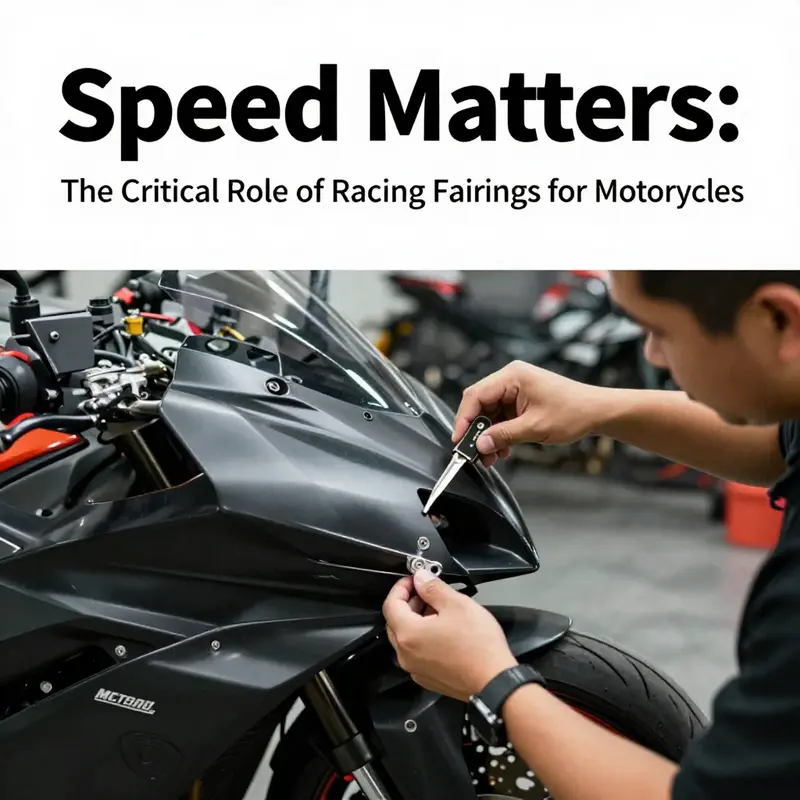 The installation of racing fairings is more than a wrench-and-windshield chore. It is a precise collaboration between the bike’s underlying geometry, the rider’s preferences, and the aerodynamic intent of the kit. When done well, a fairing set becomes an extension of the machine, smoothing the airflow, shaping the balance of the chassis, and quietly enhancing rider confidence at the moment speed becomes important. When done poorly, even the most sophisticated composite panels can become an anchor, tugging on the front end, creating drag, or rubbing against critical components during high-load cornering. That is why compatibility and fitment are not merely a box to check before purchase; they are the hinge on which performance and reliability turn together. The conversation begins with respect for the bike’s model family and the specific year, because fairings are engineered around a frame and a cockpit that are rarely interchangeable across broad eras. Mounting points, frame stay geometry, and handlebar clearances all serve as the invisible blueprint that determines whether a set will simply cover the bike or actually help it slice through air with less effort. To the extent that the rider and the tuner want more than just a cosmetic upgrade, the commandment is clear: verify fitment against official charts, and treat every mounting point as part of a required, track-tuned system rather than a purely cosmetic add-on. The importance of this approach can’t be overstated, because even small deviations in alignment or clearance can distort the intended airflow, introduce turbulent wake, or place stress on mounting hardware under cornering loads. For a rider chasing faster laps, the difference between a snug, aerodynamically efficient install and a loose, buffeting-prone setup can be measured in tenths of a second as well as in the long-term durability of the bike’s fairing stays and fasteners. The path to that ideal starts before the first bolt is touched. It begins with selecting a kit whose design philosophy is compatible with the bike’s geometry, the rider’s weight distribution, and the track demands the rider faces. Fairing kits are typically engineered around specific makes, models, and sometimes even sub-models or engine configurations. This means that a straight swap from one generation to another—say, a late-model fairing on an earlier frame—can look tempting but often fails the compatibility test in practice. A dry fit without fasteners becomes the first crucial step. With the bike on a stand or properly supported, the fairing pieces are held in place to gauge alignment along the wheelbase, the fork crown, and the radiator shroud. The goal is not simply to line up with the holes but to confirm that the profile of each panel follows the bike’s natural contour. Any panel that sits proud of the fairing stay or sits in close proximity to the tire, exhaust, or radiator is a red flag, signaling that adjustments, trimming, or alternate hardware might be necessary. This exercise is not an accusation of shoddy engineering; it is the practical confirmation that the kit’s design assumptions actually match the bike’s reality. Once a dry fit reveals adequate clearance and alignment, the installation progresses with mounting points that are carefully prepared. Surfaces should be cleaned to remove oil, grime, and any polishing compounds that could compromise the grip of sealant or the bite of a fastener. Threaded inserts and mounting brackets must be checked for wear and corrosion, because over time these points bear the cumulative load of high-speed air and dynamic steering inputs. If the kit includes new stay brackets or revised mounting hardware, those parts should be inspected and, if necessary, chamfered or deburred to avoid snagging during assembly. Bolts should be selected to balance rigidity and vibration absorption. In high-speed scenarios, the right fasteners do more than hold a piece in place; they help the assembly maintain its aerodynamic intent under sustained load, reducing the risk of panel flutter or micro-movements that translate into buffeting. The process also requires careful attention to sealants, gaskets, and weather strips. Although much of the modern fairing package is fashioned to seal against wind pressure, these seals also serve to dampen vibrations and to reduce noise that can contribute to rider fatigue in long sessions. The trims and edges deserve equal care. Sharp cut lines or imperfect edges can create turbulent eddies that degrade performance and wear the edges of the panels faster. A round of final fitting should include a test ride or a simulated test in a controlled environment to verify that the panel lines remain aligned through steering lock, a full lock-to-lock range, and the peak steering angle used during aggressive cornering. If a fairing line encroaches on the instrument cluster or the steering stop, minor adjustments to the panel position or to the hardware placement may be required. At times, compatibility is also about the electronics and the hydraulic or mechanical systems that interface with the fairing. Modern race-oriented fairings frequently incorporate integrated or partially integrated lighting, turn signals, and, in some cases, radiator vents that double as aerodynamic channels. While a kit might physically fit, the electrical harnesses and sensing devices need to be routed in a way that preserves both function and airflow. The conclusion of a careful installation is more than a cosmetic finish; it is a confirmation that the fairing’s aerodynamics have not been compromised by interference with wires, hoses, or clamps. The materials used in racing fairings—most often carbon fiber, fiberglass, or reinforced polymers—are chosen for their strength-to-weight ratio and stiffness, but their properties also shape how an installation should be approached. Carbon fiber panels are stiffer, lighter, and more forgiving to small misalignments in some respects, yet they require precise handling because their edges and fastener zones can be sensitive to overt tightening or misaligned clamps. Fiberglass, while robust and relatively forgiving for novice installers, can be heavier and more susceptible to resin creep over time if not properly sealed and mounted. Reinforced polymers sit in between, offering predictable behavior and easier trimming when necessary, but they can distort if the mounting points are stressed. In every case, the installation should include a check on whether the fairing lines contribute to optimal airflow at the rider’s position. A well-fit kit should maintain a consistent line from the steering axis through the front wheel and back into the rider’s torso, minimizing separation and creating a predictable pressure distribution across the fairing surface. When that alignment is achieved, the rider often notices improved stability in high-speed transitions and corner exits. The rider’s position also matters. Handlebar mounts, clip-ons, and footpeg placements influence how the panels sit relative to the rider’s body. In a track-oriented build, the rider’s body position is often adjusted to exploit the aerodynamic shape of the fairings. This means that a compatible kit may necessitate modest changes to the rider’s stance or to the upper body position to truly unlock the intended airflow direction and pressure recovery. The best practice remains to consult the installation guidelines offered by reputable manufacturers, whose diagrams and notes provide model-specific data for mounting points, required spacers, and any cautionary steps. A reliable guide will also spell out permissible trim lines and the recommended order of assembly to minimize the risk of rework. In practice, many riders rely on a two-step approach: a careful dry fit to confirm alignment, followed by a structured fastening sequence that evenly distributes load and maintains panel tension as the fasteners are torqued to specification. The value of this approach becomes evident in track days, where a well-fitted fairing remains stable through repetitive high-speed cycles and aggressive braking. For those pursuing upgrades beyond stock configurations, it helps to review model-specific compatibility charts and model-year notes from the kit’s documentation. The reality is that even within the same model family, successive years often bring subtle changes in the frame geometry, mounting bracket shapes, or sensor placements. Before purchase, confirm the exact year and sub-model of the bike and compare these details with the kit’s fitment notes. For example, a broad catalog of compatible options can be found in the Honda fairings collection. This resource can help ensure you select a kit whose panels align with the bike’s true mounting lattice and centerline, reducing the risk of misfit. When it comes to sourcing, many riders begin with a kit that promises track-oriented weight savings, then verify fit against the official documentation. In this context, a practical rule of thumb is to treat the kit as a bespoke component for the bike rather than a ready-to-plant universal shell. This mindset helps prevent frustration and ensures that the installation proceeds in a manner consistent with professional practice. For those who want to double-check fitment before committing, it is worth consulting the manufacturer’s published charts and installation notes, which often include model-specific compatibility diagrams and the precise order in which fasteners should be installed. If you encounter ambiguous or conflicting information, reach out to technical support or a seasoned installer who has experience with the exact model and year. The goal is not to rush the process but to honor the fairing’s design and the bike’s integrity. By embracing a disciplined approach to compatibility and installation, a rider can realize the fairing’s aerodynamic potential without compromising handling, c