
















Các ốp xe đua là các thành phần quan trọng trong thế giới đua xe máy cạnh tranh, được thiết kế để cải thiện hiệu suất khí động học và trải nghiệm tổng thể cho người lái. Các chủ doanh nghiệp trong ngành xe máy nên hiểu rõ tầm quan trọng của những ốp này, vì việc tích hợp đúng cách có thể tạo ra sự khác biệt trong hiệu suất và doanh thu của một tay đua. Bài viết này sẽ đề cập đến các khía cạnh quan trọng từ khí động học và vật liệu đến kỹ thuật lắp đặt và xu hướng thị trường, làm nổi bật tiềm năng kinh tế của phân khúc này. Đọc tiếp để khám phá cách đầu tư vào các ốp xe đua chất lượng cao có thể nâng cao hiệu suất và cuối cùng là lợi nhuận của doanh nghiệp bạn.
Đường cong bền bỉ, luồng không khí mượt mà: Khí động học và cải tiến hiệu suất trong ốp xe đua cho xe máy
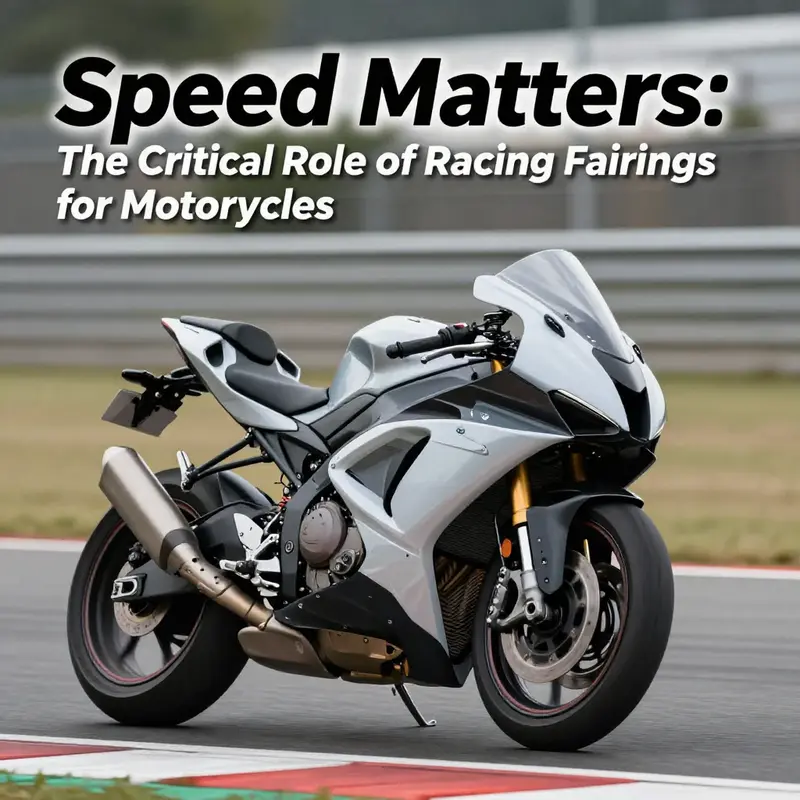 Trên đường đua, ốp xe không chỉ là tấm chắn ở phía trước xe; đó là công cụ định hình giúp kiểm soát luồng không khí xung quanh người lái và động cơ, biến các lực vô hình thành tốc độ đo lường được. Một ốp xe đua được chế tạo tốt giảm lực cản khí động học, ổn định đầu xe và hỗ trợ làm mát cũng như sự thoải mái cho người lái cùng lúc. Khí động học trở thành yếu tố quyết định trong hiệu suất khi các đường đua yêu cầu độ chính xác ở tốc độ cực cao, nơi một thay đổi nhỏ trong dòng chảy có thể chuyển hóa thành lợi ích đáng kể về thời gian vòng. Không gian vấn đề không phải là trừu tượng: nó bao gồm cách không khí di chuyển trên các đường cong phức tạp, cách áp suất tích tụ trên mũ bảo hiểm và ngực, và cách luồng gió phía sau người lái tương tác với phần đuôi xe. Về mặt kỹ thuật, mục tiêu là một lớp bao bọc liên tục, giúp luồng không khí đi từ mũi đến đuôi một cách trơn tru, với mỗi đường nét đều góp phần tạo ra một trường dòng chảy sạch hơn và dễ điều khiển hơn.
Một khía cạnh then chốt trong việc hiểu dòng chảy này là phòng thí nghiệm gió, nơi các mô hình quy mô được kiểm tra trong điều kiện kiểm soát. Trong một nghiên cứu gần đây, các nhà khoa học đã làm việc với một mô hình quy mô mang theo tỷ lệ che khuất khoảng 15 phần trăm. Tỷ lệ che khuất cao này đưa ra một thách thức: nó làm méo dòng chảy tự nhiên, gây khó khăn trong việc rút ra các hệ số khí động học chính xác. Tuy nhiên, thông qua việc hiệu chuẩn cẩn thận và quy trình kiểm tra lặp lại, nhóm đã thu được các hệ số lực và moment chi tiết trên nhiều số Reynolds và góc nghiêng khác nhau. Bài học thực tiễn rõ ràng. Những thay đổi nhỏ trong hình dạng ốp xe ảnh hưởng đến áp suất bề mặt, thay đổi điểm bắt đầu của sự tách dòng và thay đổi sự cân bằng giữa lực cản và độ ổn định. Theo nghĩa thực tế, điều đó có nghĩa là vài mm thay đổi hình dạng có thể giảm rung lắc ở vùng bụng người lái, cải thiện sự thoải mái của mũ bảo hiểm và mang lại phản ứng ổn định hơn cho chiếc xe khi nó nghiêng vào góc cua.
Hai chiến lược bổ trợ đã xuất hiện để giảm lực cản mà không làm ảnh hưởng đến an toàn của người lái hoặc tính toàn vẹn cấu trúc. Chiến lược đầu tiên là phương pháp gắn thêm: các thiết bị được thiết kế để cải thiện hiệu suất mà không cần sửa đổi cấu trúc lớn. Chiến lược thứ hai là thiết kế lại hoàn toàn hình dạng của xe máy, tạo ra một hình dáng tích hợp hơn, giảm diện tích mặt trước đồng thời duy trì ergonomics của người lái. Kết quả cho thấy một sự thật thuyết phục: việc giảm lực cản thường không phải là một thay đổi đột ngột mà là chuỗi các cải tiến nhất quán. Khi kết hợp với việc bố trí cẩn thận vị trí tầm nhìn và tư thế cơ thể của người lái, điều này có thể mang lại cải thiện đáng kể về hiệu quả. Trong thực tế, một thiết kế được thực hiện tốt có thể giảm lực cản khoảng 40 phần trăm, con số này mang lại luồng không khí mượt hơn, khả năng xử lý gió tốt hơn xung quanh người lái và sự phục hồi áp suất thuận lợi phía sau xe. Ngoài lợi ích hàng đầu, những cải tiến này còn hỗ trợ hiệu quả làm mát bằng cách dẫn không khí đến các bộ tản nhiệt và lỗ thông gió một cách kiểm soát, giảm nguy cơ điểm nóng dưới điều kiện đua.
Bên cạnh kiểm tra vật lý, vai trò ngày càng tăng của động lực học chất lưu tính toán (CFD) cũng đang nổi bật. Những công việc ban đầu về CFD tập trung vào việc dự đoán phân bố áp suất và xác định các khu vực tách dòng và tái tuần hoàn trên bề mặt ốp xe. Hứa hẹn là một phương pháp hiệu quả về chi phí và nhanh chóng để sàng lọc các ý tưởng thiết kế trước khi cam kết chúng vào phòng thí nghiệm gió hoặc kiểm tra trên xe. Sự đồng thuận hiện tại là CFD có thể mô phỏng các dòng chảy bị tách rời một cách chính xác, miễn là các mô phỏng được xây dựng dựa trên các điều kiện biên hợp lý về mặt vật lý và được kiểm chứng bằng dữ liệu thực nghiệm. Lợi ích cho các đội đua là rõ rệt: chu kỳ lặp nhanh hơn, hiểu biết tốt hơn về cách thay đổi nhỏ trong vị trí vai, ngực và đầu gối ảnh hưởng đến khí động học tổng thể, và một con đường an toàn hơn để tối ưu hóa các hình dạng phức tạp mà không làm tăng chi phí phát triển.
Việc lựa chọn vật liệu là một yếu tố quan trọng khác ảnh hưởng đến những gì có thể đạt được trên đường đua. Các tấm chắn gió đua sử dụng các vật liệu composite và polymer gia cường mang lại tỷ lệ độ bền trên trọng lượng tuyệt vời. Sợi carbon nổi bật nhờ độ cứng và trọng lượng nhẹ, trong khi sợi thủy tinh tiên tiến và polymer nhiều lớp cung cấp sự cân bằng giữa chi phí, khả năng chịu va đập và độ cứng điều chỉnh được. Thách thức là thiết kế các bề mặt vẫn mịn và vững chắc dưới tác động của không khí tốc độ cao, rung lắc và va chạm thỉnh thoảng, đồng thời vẫn đáp ứng các kênh làm mát và cửa hút để đảm bảo làm mát động cơ hiệu quả. Chất lượng bề mặt quan trọng không kém gì cách sắp xếp lớp vật liệu. Một bề mặt được đánh bóng kỹ giảm ma sát da và trì hoãn hiện tượng tách dòng chảy, trong khi việc sử dụng vi cấu trúc bề mặt một cách hợp lý có thể ảnh hưởng đến lớp biên theo cách bổ trợ cho chiến lược aerodynamic tổng thể. Ngoài hiệu suất, sự hòa hợp về mặt thẩm mỹ với các đường nét của xe cũng củng cố cảm giác mục đích và tính quyết liệt mà người lái và đội ngũ cùng cảm nhận.
Thách thức thiết kế trở nên đặc biệt nghiêm trọng khi xem xét sự thoải mái của người lái và thực tế trên đường đua. Một tấm chắn gió sẵn sàng cho đường đua phải che người lái khỏi áp lực gió và tiếng ồn quá mức trong khi vẫn cho phép truy cập dễ dàng vào khoang lái để điều chỉnh và sửa chữa. Nó phải hỗ trợ làm mát hiệu quả ngay cả khi người lái ở tư thế khom và khung xe nghiêng vào khúc cua. Trọng lượng vẫn là giới hạn liên tục; các kỹ sư phải cắt giảm gram từ vỏ ngoài mà không làm ảnh hưởng đến độ cứng hoặc an toàn. Những ý tưởng hiệu quả nhất là những ý tưởng phát sinh từ triết lý thiết kế tích hợp, nơi phần đầu, các đường viền bên và đuôi được hình thành như một gói aerodynamic duy nhất chứ không phải là các yếu tố sau này được gắn thêm. Lợi ích của cách tiếp cận này không chỉ là giảm lực cản, mà còn tạo ra một chế độ dòng chảy ổn định hơn, giữ nguyên cảm giác lái và giảm xu hướng đầu trước bị khuất trong xoáy khi xe được đẩy đến giới hạn.
Từ góc nhìn của người lái, câu chuyện aerodynamic chuyển hóa thành cảm giác cụ thể. Một lớp không khí mượt mà bao quanh mũ bảo hiểm giảm mệt mỏi, trong khi sự rung lắc ổn định cải thiện khả năng theo dõi đường thẳng qua khúc cua. Tương tác giữa tư thế người lái và hình học của tấm chắn gió rất quan trọng; không khí phải tách ra sạch sẽ xung quanh mũ bảo hiểm và vai và tái kết hợp phía sau lưng mà không tạo ra nhiễu loạn quá mức. Khối lượng của người lái trở thành một phần động của cánh máy bay, do đó tấm chắn tối ưu hỗ trợ chuyển động của cơ thể thay vì cản trở nó. Khi dòng chảy vẫn dính vào khúc cua, đầu trước vẫn ổn định, sự tự tin tăng lên, và người lái có thể tận dụng lực bám hiện tại đến giới hạn, tăng tốc sớm và đáng tin cậy hơn khi ra khỏi khúc cua. Những hiệu ứng này lan truyền thành thời gian vòng ngắn hơn, không chỉ từ tốc độ thô, mà từ sự nhất quán và kiểm soát tốt hơn dưới các điều kiện đường đua thay đổi.
Các tùy chọn thị trường để nâng cấp xe đua phản ánh phổ độ triết lý aerodynamic này. Một số người lái thiên về các yếu tố gắn thêm hứa hẹn thắng nhanh và tích hợp đơn giản, trong khi những người khác đầu tư vào các tấm chắn gió riêng biệt, phù hợp với đường đua, đòi hỏi việc lắp đặt cẩn thận và sự căn chỉnh chuyên nghiệp với hình dạng của xe. Cách tiếp cận tốt nhất hài hòa với khung xe - tăng cường ổn định khi cần thiết, bảo vệ sự thoải mái của người lái, và giảm rủi ro lắp sai có thể làm tổn hại đến hiệu suất hoặc an toàn tổng thể. Đối với những ai tò mò về kích thước cụ thể, có thể hữu ích khi khám phá một bộ sưu tập các tấm chắn gió phù hợp với các đường nét và hình dạng của một chiếc xe nhất định. Ví dụ, tấm chắn gió của Yamaha đại diện cho một danh mục phổ biến của các tùy chọn sau bán hàng có thể được đánh giá về sự vừa vặn và nhất quán trên nền tảng đua. Xem bộ sưu tập dành riêng để hiểu cách các nhà sản xuất và nhà cung cấp chuyển đổi ý định aerodynamic thành bề mặt đáp ứng yêu cầu của đường đua. Yamaha fairings.
Bài học tổng quát là hiệu suất aerodynamic trong tấm chắn gió đua là sự tổng hợp của kiến thức từ buồng gió, xác minh bằng mô phỏng, khoa học vật liệu và thiết kế lấy người lái làm trung tâm. Giảm lực cản và ổn định không đến từ một mẹo đơn lẻ mà từ quy trình kỷ luật: đo đạc, mô hình hóa, thử nghiệm và lặp lại trong một chu kỳ tôn trọng góp ý của người lái như một phần thiết yếu của hệ thống. Khi quy trình này tạo ra một gói hoạt động trơn tru cùng tư thế người lái, gói đó giúp chiếc xe hành xử như một sinh vật được thiết kế gọn gàng trên đường đua - một chiếc xe trả lời lệnh của phi công với chuyển động chính xác và dự đoán được, ngay cả trong tình huống gió giật hoặc phanh ở tốc độ cao. Kết quả là một chiếc xe giữ lại sức mạnh ở nơi cần thiết, giảm tổn thất năng lượng trong không khí, và trả lại sự tự tin cho người lái qua mỗi khúc cua.
Khi đua xe tiếp tục hướng tới tốc độ cao hơn và các thiết kế đường đua phức tạp hơn, cuộc thảo luận về aerodynamics của ốp thân sẽ tiếp tục phát triển. Xu hướng thiết kế tích hợp, dựa trên dữ liệu sẽ vẫn là trung tâm, được củng cố bởi những tiến bộ trong vật liệu, cảm biến và mô phỏng. Mỗi phiên bản mới mang lại cơ hội để lấy lại thời gian, tinh chỉnh các đường dẫn làm mát, và giảm lực cản mà không làm mất đi mối liên kết của người lái với chiếc xe. Nhìn từ góc độ này, ốp thân không chỉ là vỏ ngoài mà còn là yếu tố quan trọng ảnh hưởng đến hiệu suất, an toàn và tính bền vững trên đường đua hiện đại.
Tài nguyên bên ngoài: https://www.sciencedirect.com/science/article/pii/S002186982500321X
Thành phần vật liệu và độ bền: Cách ốp thân đua định hình hiệu suất và độ tin cậy
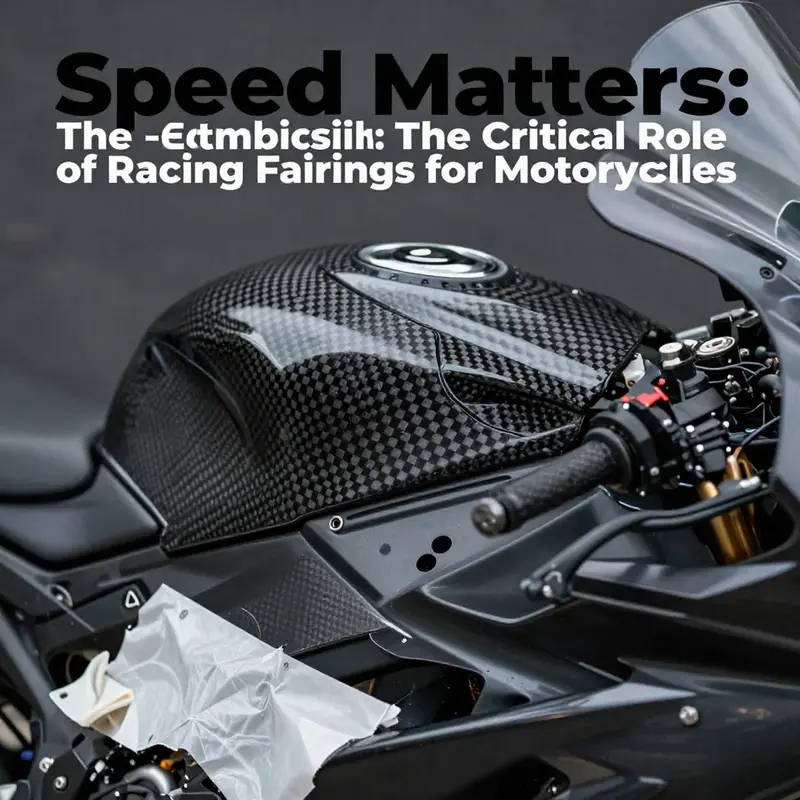 Racing fairings sit at the intersection of aerodynamics, structural engineering, and practical endurance. They are not merely shell panels; they are carefully engineered skins that must slice through air, shed drag, and survive the rigors of high-speed competition where every gram matters and every gust tests the rider’s control. The core question this chapter treats is not which composite looks best in a showroom, but how the chosen materials and their manufacturing realities translate into real-world performance, reliability, and ease of maintenance on the track. In this context, the material palette for racing fairings is dominated by advanced composites, chiefly carbon fiber and fiberglass, with reinforced polymers filling the space where cost or impact considerations dictate a different balance of properties. Each material brings a distinct set of strengths and trade-offs that ripple through the bike’s handling, cooling, and resilience, and together they form a continuum rather than a rigid dichotomy. Carbon fiber stands out for its extraordinary strength-to-weight ratio and stiffness, two attributes that directly influence how cleanly a motorcycle can run through corners at warp speed. When a fairing is made from carbon fiber, the layup strategy becomes a crucial design tool. Engineers specify layers of fiber in multiple directions to tailor the stiffness along the most stressed paths, especially where the fairing interfaces with the wind pressure, the rider’s weight, and the bike’s own geometry. The resin system and the manufacturing process—often a combination of prepregs and vented resin infusion or vacuum-assisted resin transfer—determine how well those fibers perform under aerodynamic loading and thermal cycling. In practice, a carbon-fiber fairing saves weight without sacrificing rigidity, which helps maintain a stable platform at the apex of a high-speed bend. This stability is not just about reducing drag; it’s about keeping the front end planted, the rider shielded from buffeting, and the chassis cadence predictable as speeds climb. Yet carbon fiber is not a silver bullet. Its outstanding properties hinge on meticulous workmanship. Carving complex shapes from carbon requires precise control of ply orientation, resin content, and void management. Small manufacturing defects—air pockets, misaligned plies, or uneven cure—can become crack initiation points under repeated loads or in a bending impact. Even when a carbon fairing holds its shape under normal loads, a sharp impact can induce microcracks that propagate with heat, vibration, and continued exposure to debris on the track. This is not merely a cosmetic concern; microcracks can alter aerodynamic airflow, raise drag, or, in extreme cases, compromise the fairing’s structural integrity. On the other hand, fiberglass presents a different set of trade-offs that make it a practical alternative where cost, repairability, and impact resistance are prioritized. Fiberglass blends well with a lower price point while delivering respectable rigidity and good energy absorption when struck by debris or during a minor crash. The energy dissipation characteristics of fiberglass can be more forgiving in the field, enabling quicker, more economical repairs at a paddock bench or in a workshop. Its interfaces with carbon fiber or reinforced polymers are particularly important in mixed-material configurations, where the bonding method and the transition between materials must manage differences in stiffness, thermal expansion, and moisture uptake. Reinforced polymers, often comprising aramid fibers or other toughened matrices, occupy a middle ground. They can extend impact resistance and improve resistance to fatigue without pushing the weight budget beyond reasonable limits. In practice, a race fairing might use a carbon-fiber skin for the most critical load paths, with fiberglass or reinforced polymer sections where durability and cost are dominant considerations. This kind of graded material approach allows designers to concentrate carbon fiber where it yields the most benefit while providing robust protection in zones exposed to debris or abrasion. The materials’ performance is inseparable from the environmental and operating conditions encountered on the track. Debris, temperature fluctuations, and constant aerodynamic stress shape how a fairing behaves over time. Road debris at racing speeds can cause localized damage that, if left unchecked, can propagate through the laminate. The risk is not only catastrophic failure but also progressive delamination or microcracking that changes the airflow—an unwelcome shift in drag and stability. Temperature cycles, especially in endurance events or long sessions, test the resin systems and the matrix–fiber interface. A fairing must withstand the heat of the engine bay, the radiant heat from the sun, and the cold air that follows the bike off the straight. Resin systems that cure to a higher glass transition temperature help maintain rigidity and dimensional stability when the fairing expands and contracts with heat. In addition, moisture ingress can alter the mechanical properties of certain resins, particularly where open-structured fiberglass laminates are involved. Proper sealing, the use of compatible resins, and careful venting during curing are all part of a manufacturing discipline aimed at minimizing water uptake, which can otherwise reduce stiffness and affect shape retention under load. Practical durability is also tied to repairability and inspection regimes. Carbon-fiber panels, while lighter and stiffer, tend to be more challenging to repair because damage may be localized to a small area yet require full-panel remediation to restore a smooth surface and correct airflow characteristics. Fiberglass panels, by contrast, are often easier to patch and rework in a variety of workshop settings, which can be beneficial for teams operating on tight budgets or with limited access to high-end fabrication tools. Yet repair ease does not absolve the rider or team from a rigorous inspection routine. Routine checks for delamination, surface cracks, resin cracking, and adhesive bond integrity are essential. The interface between the fairing and the frame, plus the mounting hardware, also deserves attention. Improper mounting load paths, torque, or overtightened fasteners can chip edges, crack corners, or create lugging effects that concentrate stress. In a high-demand sport context, where cornering loads are extreme and wind pressures peak, those stress concentrations matter. The durability story extends to the assembly process itself. Cleanliness during bonding, proper surface preparation, and the use of compatible adhesives ensure that the laminate remains bonded under vibration and heat. The collaboration between the skin and the substructure—ribs, backing plates, and connection points—defines how well a fairing preserves its shape and continues to deliver predictable aerodynamics lap after lap. There is a practical dimension to these material choices beyond raw physics. The track environment demands consistency in performance across sessions and seasons, which implies predictable aging behavior. A well-designed composite fairing will retain its geometry under repeated loading, resist creep in exposed regions, and deter moisture intrusion that could otherwise alter stiffness. This durability is intertwined with the fairing’s cooling strategy. Aerodynamic shaping affects not only drag and lift but also how air flows around the engine and radiators. A fairing that maintains a clean, laminar boundary layer reduces pressure drag and allows the radiator and cooling ducts to function more effectively, ensuring the engine runs at stable temperatures that do not degrade performance or shorten service life. The knowledge base for these materials reflects a broader engineering context that extends beyond a single team or season. For those seeking deeper, standards-driven insights into racing motorcycles, a comprehensive reference in a Japanese context offers technical depth on material standards, specifications, and performance expectations. This resource provides guidance on how the material choices for fairings align with broader racing-specific requirements and testing protocols that gauge long-term behavior under track conditions. In everyday practice, the practical takeaway is a layered one: choose a material and a layup approach that aligns with the track’s demands, the rider’s tolerance for repair complexity, and the budgetary framework of the team. The fairing must deliver a reliable aerodynamic surface with predictable response to steering inputs, while also maintaining compatibility with the bike’s cooling, electrical, and cosmetic systems. That means a holistic view of compatibility, not just isolated properties. It also means recognizing that there is no one-size-fits-all material solution. Carbon fiber excels where weight and rigidity matter most, but fiberglass and reinforced polymers shine where affordability, repairability, and impact resistance are valued. The best practice is a deliberate mapping of load paths, exposure, and service conditions, followed by a manufacturing plan that minimizes defects and ensures repeatable results on the track. For teams and builders, this translates into an emphasis on process controls, cure schedules, and inspection routines that protect the aerodynamic surface from edge to edge. It also supports a design ethos that treats the fairing as an active participant in the bike’s performance: a lightly engineered cloak that shapes the air and, through its interaction with other components, participates in the rider’s control loop. If you want to visualize how these principles translate into real-world options, consider exploring general collections of fairing shapes that emphasize the balance of form and function in a way that does not rely on a single material narrative. bộ sưu tập/yamaha-fairings cung cấp cái nhìn về cách các hình dạng và bề mặt khác nhau có thể được kết hợp với các phương pháp xây dựng khác nhau, không gắn liền cuộc thảo luận với một dòng sản phẩm cụ thể. Sự khám phá này giúp khung quyết định về độ cứng, trọng lượng và bảo vệ trong thực tế của ngày đua, nơi sửa chữa nhanh chóng, thay thế dễ dàng và hiệu suất nhất quán qua các buổi đua quan trọng không kém bất kỳ lợi thế lý thuyết nào. Cuối cùng, đối với những người đọc muốn có bối cảnh kỹ thuật sâu sắc hơn, tài nguyên bên ngoài về tiêu chuẩn vật liệu, thông số kỹ thuật và thông tin hiệu suất cho xe máy đua ở Nhật Bản cung cấp nền tảng nghiêm ngặt cho cuộc thảo luận về độ bền và độ tin cậy. Nó kết nối các lựa chọn vật liệu được mô tả ở đây với một khung kiểm tra và xác minh rộng lớn mà nhiều đội tôn trọng như một phần của chuyên môn kỹ thuật của họ. Xem https://www.racingmotorcyclejapan.com/materials-and-technical-specs để có những thông tin chi tiết đó. Tóm lại, câu chuyện về độ bền của ốp thân xe máy đua là một câu chuyện về khoa học vật liệu gặp thực tế đua xe: sợi carbon khi nhẹ và độ cứng quan trọng nhất, sợi thủy tinh khi độ bền và kinh tế là yếu tố chính, và polymer gia cường khi cần một sự kết hợp cân bằng giữa hiệu suất và tính thực tiễn. Sản xuất đúng cách, ghép nối cẩn thận và kiểm tra có kỷ luật biến các vật liệu này thành các bề mặt khí động học đáng tin cậy bảo vệ người lái, duy trì hiệu suất và chịu đựng nhịp điệu đòi hỏi của cuộc đua tốc độ cao.
Chuẩn bị cho tốc độ: Thành thạo việc lắp đặt và tương thích của ốp thân xe máy đua trên xe sẵn sàng thi đấu
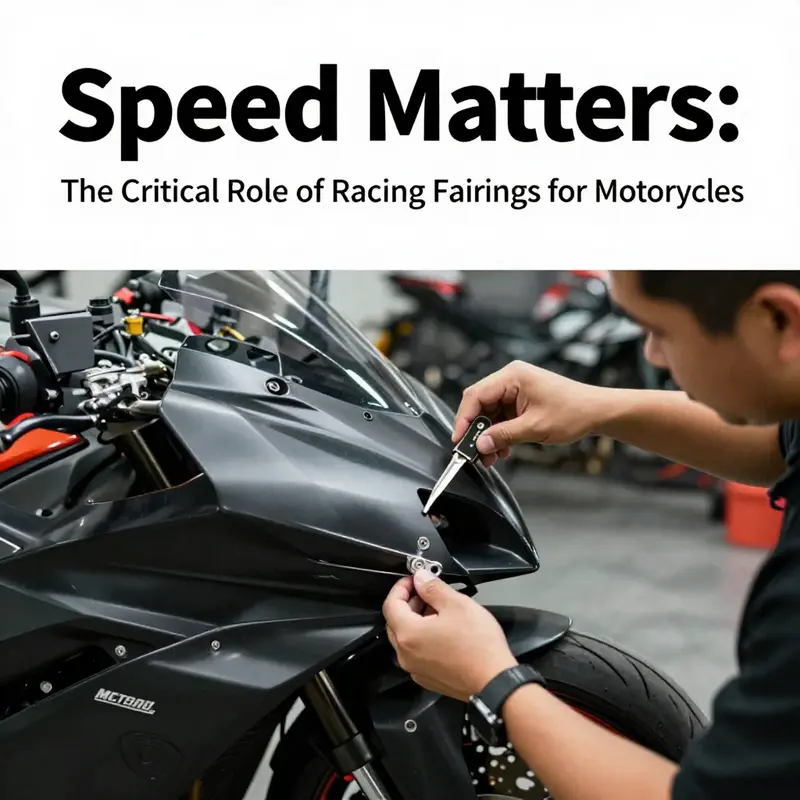 The installation of racing fairings is more than a wrench-and-windshield chore. It is a precise collaboration between the bike’s underlying geometry, the rider’s preferences, and the aerodynamic intent of the kit. When done well, a fairing set becomes an extension of the machine, smoothing the airflow, shaping the balance of the chassis, and quietly enhancing rider confidence at the moment speed becomes important. When done poorly, even the most sophisticated composite panels can become an anchor, tugging on the front end, creating drag, or rubbing against critical components during high-load cornering. That is why compatibility and fitment are not merely a box to check before purchase; they are the hinge on which performance and reliability turn together. The conversation begins with respect for the bike’s model family and the specific year, because fairings are engineered around a frame and a cockpit that are rarely interchangeable across broad eras. Mounting points, frame stay geometry, and handlebar clearances all serve as the invisible blueprint that determines whether a set will simply cover the bike or actually help it slice through air with less effort. To the extent that the rider and the tuner want more than just a cosmetic upgrade, the commandment is clear: verify fitment against official charts, and treat every mounting point as part of a required, track-tuned system rather than a purely cosmetic add-on. The importance of this approach can’t be overstated, because even small deviations in alignment or clearance can distort the intended airflow, introduce turbulent wake, or place stress on mounting hardware under cornering loads. For a rider chasing faster laps, the difference between a snug, aerodynamically efficient install and a loose, buffeting-prone setup can be measured in tenths of a second as well as in the long-term durability of the bike’s fairing stays and fasteners. The path to that ideal starts before the first bolt is touched. It begins with selecting a kit whose design philosophy is compatible with the bike’s geometry, the rider’s weight distribution, and the track demands the rider faces. Fairing kits are typically engineered around specific makes, models, and sometimes even sub-models or engine configurations. This means that a straight swap from one generation to another—say, a late-model fairing on an earlier frame—can look tempting but often fails the compatibility test in practice. A dry fit without fasteners becomes the first crucial step. With the bike on a stand or properly supported, the fairing pieces are held in place to gauge alignment along the wheelbase, the fork crown, and the radiator shroud. The goal is not simply to line up with the holes but to confirm that the profile of each panel follows the bike’s natural contour. Any panel that sits proud of the fairing stay or sits in close proximity to the tire, exhaust, or radiator is a red flag, signaling that adjustments, trimming, or alternate hardware might be necessary. This exercise is not an accusation of shoddy engineering; it is the practical confirmation that the kit’s design assumptions actually match the bike’s reality. Once a dry fit reveals adequate clearance and alignment, the installation progresses with mounting points that are carefully prepared. Surfaces should be cleaned to remove oil, grime, and any polishing compounds that could compromise the grip of sealant or the bite of a fastener. Threaded inserts and mounting brackets must be checked for wear and corrosion, because over time these points bear the cumulative load of high-speed air and dynamic steering inputs. If the kit includes new stay brackets or revised mounting hardware, those parts should be inspected and, if necessary, chamfered or deburred to avoid snagging during assembly. Bolts should be selected to balance rigidity and vibration absorption. In high-speed scenarios, the right fasteners do more than hold a piece in place; they help the assembly maintain its aerodynamic intent under sustained load, reducing the risk of panel flutter or micro-movements that translate into buffeting. The process also requires careful attention to sealants, gaskets, and weather strips. Although much of the modern fairing package is fashioned to seal against wind pressure, these seals also serve to dampen vibrations and to reduce noise that can contribute to rider fatigue in long sessions. The trims and edges deserve equal care. Sharp cut lines or imperfect edges can create turbulent eddies that degrade performance and wear the edges of the panels faster. A round of final fitting should include a test ride or a simulated test in a controlled environment to verify that the panel lines remain aligned through steering lock, a full lock-to-lock range, and the peak steering angle used during aggressive cornering. If a fairing line encroaches on the instrument cluster or the steering stop, minor adjustments to the panel position or to the hardware placement may be required. At times, compatibility is also about the electronics and the hydraulic or mechanical systems that interface with the fairing. Modern race-oriented fairings frequently incorporate integrated or partially integrated lighting, turn signals, and, in some cases, radiator vents that double as aerodynamic channels. While a kit might physically fit, the electrical harnesses and sensing devices need to be routed in a way that preserves both function and airflow. The conclusion of a careful installation is more than a cosmetic finish; it is a confirmation that the fairing’s aerodynamics have not been compromised by interference with wires, hoses, or clamps. The materials used in racing fairings—most often carbon fiber, fiberglass, or reinforced polymers—are chosen for their strength-to-weight ratio and stiffness, but their properties also shape how an installation should be approached. Carbon fiber panels are stiffer, lighter, and more forgiving to small misalignments in some respects, yet they require precise handling because their edges and fastener zones can be sensitive to overt tightening or misaligned clamps. Fiberglass, while robust and relatively forgiving for novice installers, can be heavier and more susceptible to resin creep over time if not properly sealed and mounted. Reinforced polymers sit in between, offering predictable behavior and easier trimming when necessary, but they can distort if the mounting points are stressed. In every case, the installation should include a check on whether the fairing lines contribute to optimal airflow at the rider’s position. A well-fit kit should maintain a consistent line from the steering axis through the front wheel and back into the rider’s torso, minimizing separation and creating a predictable pressure distribution across the fairing surface. When that alignment is achieved, the rider often notices improved stability in high-speed transitions and corner exits. The rider’s position also matters. Handlebar mounts, clip-ons, and footpeg placements influence how the panels sit relative to the rider’s body. In a track-oriented build, the rider’s body position is often adjusted to exploit the aerodynamic shape of the fairings. This means that a compatible kit may necessitate modest changes to the rider’s stance or to the upper body position to truly unlock the intended airflow direction and pressure recovery. The best practice remains to consult the installation guidelines offered by reputable manufacturers, whose diagrams and notes provide model-specific data for mounting points, required spacers, and any cautionary steps. A reliable guide will also spell out permissible trim lines and the recommended order of assembly to minimize the risk of rework. In practice, many riders rely on a two-step approach: a careful dry fit to confirm alignment, followed by a structured fastening sequence that evenly distributes load and maintains panel tension as the fasteners are torqued to specification. The value of this approach becomes evident in track days, where a well-fitted fairing remains stable through repetitive high-speed cycles and aggressive braking. For those pursuing upgrades beyond stock configurations, it helps to review model-specific compatibility charts and model-year notes from the kit’s documentation. The reality is that even within the same model family, successive years often bring subtle changes in the frame geometry, mounting bracket shapes, or sensor placements. Before purchase, confirm the exact year and sub-model of the bike and compare these details with the kit’s fitment notes. For example, a broad catalog of compatible options can be found in the Honda fairings collection. This resource can help ensure you select a kit whose panels align with the bike’s true mounting lattice and centerline, reducing the risk of misfit. When it comes to sourcing, many riders begin with a kit that promises track-oriented weight savings, then verify fit against the official documentation. In this context, a practical rule of thumb is to treat the kit as a bespoke component for the bike rather than a ready-to-plant universal shell. This mindset helps prevent frustration and ensures that the installation proceeds in a manner consistent with professional practice. For those who want to double-check fitment before committing, it is worth consulting the manufacturer’s published charts and installation notes, which often include model-specific compatibility diagrams and the precise order in which fasteners should be installed. If you encounter ambiguous or conflicting information, reach out to technical support or a seasoned installer who has experience with the exact model and year. The goal is not to rush the process but to honor the fairing’s design and the bike’s integrity. By embracing a disciplined approach to compatibility and installation, a rider can realize the fairing’s aerodynamic potential without compromising handling, c