

Introduction
Motorcycle fairing kits have become essential components in the motorcycle aftermarket industry, offering both functional and aesthetic value to riders and businesses alike. Understanding their composition, installation intricacies, and market availability is crucial for business owners aiming to capitalize on this growing sector. This article provides a detailed look into motorcycle fairing kits, beginning with an overview of their components and brand-specific variations. The second section delves into installation procedures and customization options that can differentiate offerings and appeal to diverse customer preferences. The final chapter examines the market landscape, highlighting model-specific kits and leading retail suppliers, ensuring business owners are well-informed about inventory potential and consumer demand. Together, these insights will empower businesses to optimize product selection, enhance customer experience, and boost profitability in the motorcycle parts market.
Tables of Contents
Chapter 1: Overview of Motorcycle Fairings Kits: Composition, Purpose, and Brand Variations
- Material and Structural Foundations of Motorcycle Fairing Kits: Key Components and Design Integration
- Purpose-Driven Innovation in Motorcycle Fairing Kits: Enhancing Aerodynamics, Protection, and Personal Style
- Navigating Brand-Specific Variations in Motorcycle Fairing Kits: From Premium Precision to Minibike Styles and Custom Graphics
- Evolving Craftsmanship: How Advances in Materials and Technology Redefine Motorcycle Fairing Kits
- Market Forces Shaping Motorcycle Fairings Kits: Consumer Demand and Brand Innovation Strategies
Chapter 2: Installation and Customization of Motorcycle Fairings Kits: Procedures and Options
- Mastering Precise Installation and Mounting Techniques for Motorcycle Fairing Kits
- Mastering the Art of Fairing Installation: From Secure Mounting to Personalized Finish and Graphics
- Key Tools and Tailored Installation Tips for Motorcycle Fairing Kits
- Ensuring Perfect Fit and Quality: Comprehensive Verification and Assurance in Motorcycle Fairing Kit Installation
- Mastering Motorcycle Fairing Installation and Customization: Crafting Performance and Style Through Expert Kit Selection and Accessory Integration
Chapter 3: Market Availability and Model-Specific Motorcycle Fairings Kits
- Innovations Driving Precision and Personalization in Motorcycle Fairing Kits
- Navigating Economic Influences on the Availability and Pricing of Model-Specific Motorcycle Fairing Kits
- How Geopolitical Dynamics Shape the Manufacturing and Availability of Model-Specific Motorcycle Fairing Kits
- How Societal Trends and Rider Preferences Shape the Availability of Model-Specific Motorcycle Fairing Kits
- Personalizing Performance: Customizable and Aftermarket Fairing Kits Tailored to Your Motorcycle
Chapter 1: Overview of Motorcycle Fairings Kits: Composition, Purpose, and Brand Variations
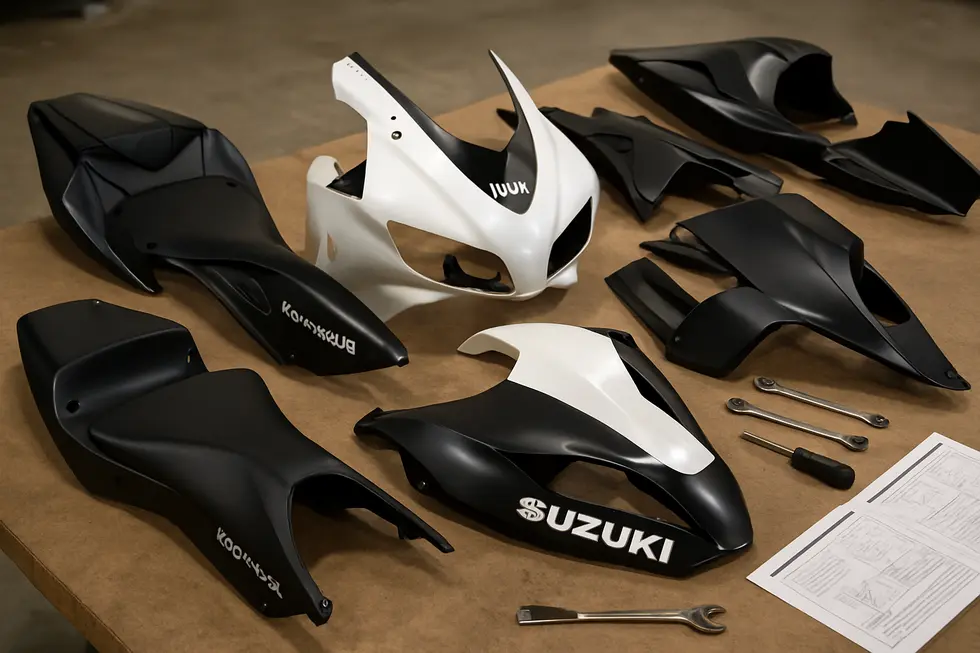
1. Material and Structural Foundations of Motorcycle Fairing Kits: Key Components and Design Integration
Motorcycle fairing kits are meticulously engineered assemblies comprising multiple interlocking body panels designed to protect the bike’s frame while enhancing both function and style. Central to their composition are components such as the front nose fairing, symmetrical side panels, the distinctive tail section, and fender pieces for front and rear tires. Additionally, optional elements like windscreens, tank covers, seat cowls, and inserts are often included to complete the ensemble.
The choice of materials plays a critical role in the performance and longevity of fairing kits. The predominant material used is ABS plastic, prized for its exceptional blend of impact resistance, rigidity, and lightweight characteristics. This injection-molded plastic delivers precision shaping to perfectly match the contours of individual motorcycle models, ensuring snug, bolt-on fits that maintain structural integrity under demanding road conditions. Complementing these panels, stainless steel hardware, including bolts and mounting brackets, reinforces durability and resistance to corrosion, securing the components firmly yet allowing for relatively straightforward installation.
Structurally, each fairing component is designed not only for coverage but also for the seamless integration with the underlying motorcycle frame. This ensures accurate alignment akin to OEM specifications, allowing for effective protection from debris and environmental elements while contributing to the bike’s aerodynamic silhouette. The comprehensive nature of these kits means a full replacement or upgrade can be accomplished with parts tailored specifically to the model’s form and function.
The careful balance of materials and structural engineering underscores motorcycle fairing kits as enhancements that do more than just cosmetically alter a bike. They are essential for protection, durability, and maintaining performance standards without compromising style. For those interested in exploring detailed options in materials and fitment, further insight into manufacturer-specific kits can be found in specialized reviews such as the Aprilia fairing kits overview by Kings Motorcycle Fairings.
For a broader range of options and insights, consider visiting Explore the Best Motorcycle Fairings at Summit Fairings.
2. Purpose-Driven Innovation in Motorcycle Fairing Kits: Enhancing Aerodynamics, Protection, and Personal Style
Motorcycle fairing kits are meticulously designed to serve three core purposes: improving aerodynamics, enhancing rider protection, and enabling distinctive aesthetic customization. Each of these objectives balances performance with visual appeal, reflecting the functional elegance that riders expect from quality fairing systems.
Aerodynamics lies at the heart of fairing design. By sculpting body panels to minimize wind resistance, these kits reduce drag and increase high-speed stability. For example, advanced fairings can decrease aerodynamic drag by several percentage points, creating calmer airflow around the rider. Features like integrated winglets generate front-end downforce, improving handling during braking and sharp turns. Moreover, optimized airflow channels improve cooling efficiency by directing air toward radiators, safeguarding engine performance under demanding conditions.
Beyond speed and stability, rider protection is a fundamental consideration. Fairings act as a barrier against wind blast, airborne debris, and changing weather, vastly improving comfort and focus during rides. Adjustable windshields and contoured panels create a “bubble” of calmer air, reducing fatigue on longer journeys. Integral heat shields safeguard the rider from engine and exhaust warmth, while well-designed ergonomics ensure riders of different sizes can maintain control with ease.
The third pillar—customization—allows riders to imbue their motorcycles with personal identity. Fairing kits come in a variety of finishes such as glossy, matte, and carbon fiber textures. Custom graphics and replica race liveries offer bold visual statements without compromising factory-like fitment or installation ease. Pre-drilled panels enable direct bolt-on upgrades, appealing to DIY enthusiasts and professionals alike.
Together, these elements illustrate how fairings transcend mere cosmetic accessories to become vital components that enhance performance, protection, and style. For riders seeking to explore the full potential of these attributes, a great resource is the collection of offerings detailed in this article on affordable motorcycle fairings at Summit Fairings.
3. Navigating Brand-Specific Variations in Motorcycle Fairing Kits: From Premium Precision to Minibike Styles and Custom Graphics
Motorcycle fairing kits exhibit significant variation across brands, reflecting differing priorities in fitment, materials, design, and customization. Premium manufacturers prioritize high-grade ABS plastic, utilizing precision injection molding to ensure exact OEM fitment tailored to a wide range of major motorcycle brands. These comprehensive kits commonly include front nose fairings, side panels, lower belly pans often with integrated heat shielding, tail sections, and tire fenders, supplemented by optional pieces such as windscreens and seat cowls. This breadth of components supports riders seeking full-scale restoration or performance upgrades that maintain factory-like durability and finish.
In contrast, minibike kits cater mainly to racing aesthetics or replica styling with a smaller scope of coverage. These kits often consist of MX-grade materials focused on durability without comprehensive body coverage. Typically, they include replica number plates and race-inspired components designed to capture authentic motocross looks rather than offer full aerodynamic benefit or structural protection.
Customization potential manifests strongly through graphic options that vary by supplier. Premium kits often feature multi-layer paint finishes combined with protective clear coats, along with extensive catalogs offering thousands of design and decal choices, enabling riders to express individuality without sacrificing quality. Meanwhile, aftermarket parts retailers supply individual components such as bolt kits and fender eliminators, which can augment a bike’s appearance but generally lack the seamless integration of full kits.
These brand-specific distinctions illustrate how fairing kits answer diverse rider needs: from premium, full-coverage solutions emphasizing fit, durability, and design versatility to specialized minibike pieces and customizable aftermarket parts focused on style and selective enhancement. For deeper insights into the extensive selection of body panel options and rider personalization, explore a comprehensive guide on motorcycle fairings.
Additional detailed comparisons of fairing kit types and manufacturers can be found via aftermarket suppliers’ catalogs,[5] providing a valuable resource when selecting the ideal kit for specific models and rider preferences.
4. Evolving Craftsmanship: How Advances in Materials and Technology Redefine Motorcycle Fairing Kits
Motorcycle fairing kits have continually transformed through innovations in materials and manufacturing technologies, reshaping their performance, appearance, and ease of installation. Initially crafted from hand-laid fiberglass or carbon fiber composites, early fairings balanced strength and lightweight properties but required skilled labor and lengthy production times. Today, precision-molded ABS plastic dominates the market with its impact resistance, durability, and exact OEM fitment, made possible by advanced injection molding processes. This shift has streamlined production, lowered costs, and ensured consistent quality across all panels.
Premium segments still value carbon fiber’s exceptional strength-to-weight ratio, often paired with metal hardware such as aluminum to optimize both durability and weight. Such combinations typify high-performance kits designed for sportbikes where every ounce counts.
Aerodynamic design has evolved beyond simple panel shaping. Recent fairings incorporate computational fluid dynamics to refine airflow, integrating features like winglets that enhance stability and cooling efficiency. These enhancements improve rider comfort and high-speed control, reflecting sophisticated engineering that pairs material science with aerodynamic principles.
Customization possibilities have also expanded due to advances in vinyl graphics technology. Pre-cut vinyl overlays allow riders to personalize fairings affordably and reversibly, transforming basic ABS panels into striking designs without permanent alterations.
Together, these technological and material advancements represent a holistic progression in fairing kits, combining craftsmanship with cutting-edge manufacturing. The result is a modern fairing that not only protects and stylizes the motorcycle but also improves performance and rider experience.
For a comprehensive source of affordable and styled motorcycle fairings, explore options at Summit Fairings.
Reference: Ducati Panigale V4 – Aerodynamic and Cooling Innovations in 2025 Model (https://summitfairings.com/)
5. Market Forces Shaping Motorcycle Fairings Kits: Consumer Demand and Brand Innovation Strategies
The motorcycle fairing kits market reflects dynamic economic growth intertwined with evolving consumer preferences and strategic brand differentiation. As the global motorcycle parts and accessories sector expands steadily—expected to surpass USD 41 billion by 2035—manufacturers respond by innovating designs that balance aesthetics, performance, and compatibility. Consumer demand prioritizes fairings that are lightweight, durable, and aerodynamically efficient, enhancing both the visual appeal and riding experience. Popular motorcycle models from heritage brands fuel this trend, as owners seek exact-fit panels that easily bolt on and may offer customization options to express individuality.
Brands differentiate themselves by focusing on material quality, advanced aerodynamic features, and the integration of ergonomic improvements that heighten rider comfort and stability. Premium players collaborate closely with engineers to refine fairing shapes that optimize airflow and cooling—an approach evident in the latest sportbike models. These collaborations not only enhance performance but also justify a premium positioning within the aftermarket.
Market sales channels have diversified. While traditional retail remains relevant, there is a noticeable shift toward direct-to-consumer sales and made-to-order kits tailored to niche preferences, accommodating longer lead times but delivering highly personalized options. Comprehensive warranties and transparent return policies bolster consumer confidence, fostering brand loyalty in a competitive marketplace. This evolving landscape rewards brands that effectively blend technical innovation with responsive customer service.
Understanding these economic and market dynamics is crucial for stakeholders aiming to navigate the intricate balance of quality, customization, and affordability in motorcycle fairing kits. For a detailed exploration of market size and growth trends, refer to the comprehensive report from Market Research Future here. Additionally, enthusiasts seeking diverse options grounded in this vibrant marketplace can explore an ultimate source for affordable motorcycle fairings to discover kits that meet evolving consumer expectations.
Chapter 2: Installation and Customization of Motorcycle Fairings Kits: Procedures and Options
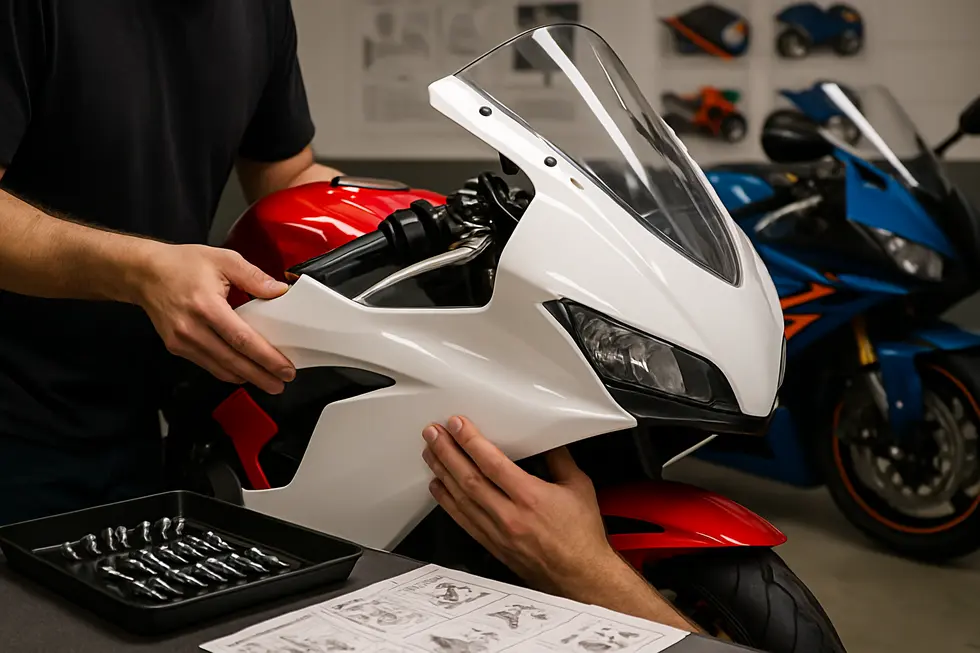
1. Mastering Precise Installation and Mounting Techniques for Motorcycle Fairing Kits
Installing motorcycle fairing kits demands careful attention to each stage to achieve a secure and flawless fit that enhances both the bike’s look and aerodynamics. The process begins by gently removing existing fairings and related components, ensuring all parts are placed on a soft surface to prevent scratches. Next, a thorough inspection of the mounting points on the motorcycle frame is essential. Many kits are designed to fit pre-existing holes, but in cases where drilling new holes becomes necessary, protective measures—like positioning a magnet wrapped in cloth beneath the frame—help catch metal shavings and safeguard the paintwork.
Mounting brackets form the backbone of solid installation; fastening these brackets firmly onto the frame or neck is critical, as they bear the primary load of the fairings. When fitting the panels—such as side panels or nose cones—proper alignment is key. Aligning tabs and loosely positioning the panels before tightening prevents undue stress that might result in cracks or warping of the plastic. Using manufacturer-specified bolts or screws, typically Allen-head or Torx, with care not to overtighten, preserves the integrity of delicate components.
Reassembly nuances vary by model. For example, removing and reinstalling panels on certain cruiser motorcycles involves precise use of torque and gentle manipulation to avoid damaging fasteners or paint. Customization often begins after the panels are loosely in place, allowing for painting or decal application prior to final tightening to ensure an optimal finish without blemishes.
Achieving a professional-grade installation blends methodical preparation, attentive bracket mounting, and meticulous alignment. These steps ensure the fairings not only look integrated but also maintain the bike’s aerodynamic efficiency and rider safety. For visual learners, comprehensive video walkthroughs highlight these techniques step-by-step, providing valuable practical insight.
Explore more on selecting ideal components and installation tips at explore the best motorcycle fairings at Summit Fairings.
Reference video: https://www.youtube.com/watch?v=DntLkF8Feik
2. Mastering the Art of Fairing Installation: From Secure Mounting to Personalized Finish and Graphics
Installing a motorcycle fairing kit begins with carefully removing the original body panels and components, using appropriate tools like screwdrivers or Allen wrenches to avoid damage. Once removed, these parts should be placed on a soft surface to protect their finish. The next critical step is inspecting the bike’s mounting points. Many kits are designed for direct bolt-on installation using factory holes, but some may require drilling new openings. When drilling, precautions such as positioning a magnet wrapped in cloth beneath the area help catch metal shavings, protecting the engine compartment from debris. After preparing the frame, supplied mounting brackets are securely fastened, and new fairings aligned by loosely fitting screws and tabs. This ensures adjustments can be made before fully tightening, guaranteeing proper fitment and preventing stress on the panels.
With installation complete, the focus shifts to customization, where finish and graphics transform the motorcycle’s appearance. Finish options range from multi-layered paint processes delivering high-gloss or matte textures to more elaborate effects like chrome chameleon, which shifts hues based on light angle and adds dynamic vibrancy. Faux carbon fiber finishes replicate the sporty, textured look of genuine carbon fiber without the high cost, often accented with bold colors to enhance race-inspired aesthetics. Matte finishes offer a sleek, understated alternative, reducing glare and lending modern sophistication.
Graphics customization allows riders to express individuality through custom decals or artwork themes. Popular choices include anime-inspired designs or intricate patterns tailored to reflect personal style, turning the fairing kit into a canvas of self-expression. This comprehensive approach—from precise installation to imaginative finishes and graphics—ensures the motorcycle is both structurally sound and visually compelling, perfectly aligned with the rider’s preferences.
For further insights on sourcing versatile fairing options tailored to your bike and style, explore comprehensive choices at Summit Fairings.
3. Key Tools and Tailored Installation Tips for Motorcycle Fairing Kits
Installing motorcycle fairing kits demands careful preparation and the right tools to ensure a secure fit and lasting finish. Essential tools include Phillips and flathead screwdrivers, Allen wrenches (typically 4mm), socket wrenches for bracket bolts, and a drill when new mounting holes are needed. Using a soft surface such as a mat during disassembly protects delicate painted panels from scratches. Most kits come with mounting brackets and hardware, though some models require separate, specific mounting kits to achieve a precise fit.
The installation process begins with the removal of existing fairings, headlights, and related hardware. Keeping track of these parts is crucial as it aids reassembly and prevents damage. Inspect mounting points on the bike’s frame carefully; while many kits use existing holes, others may need drilling, which should be done cautiously to avoid compromising structural integrity. Mounting brackets secure the new fairings firmly to the frame, and aligning all panels loosely at first allows adjustments before tightening.
Model-specific installation nuances significantly affect the outcome. Kits designed for particular motorcycles—such as sportbikes, cruisers, or heritage models—often feature unique mounting hardware or headlight trim options tailored to style and structure. Headlight alignment is especially critical to prevent beam obstruction from fairing windows or bezels. Choosing between a visor ring or a smooth bezel depends on both the bike’s character and the fairing design.
Customization extends beyond installation, including painting, tinting windscreens, and integrating OEM or aftermarket parts for personalization. Adhering closely to manufacturer instructions is vital, as is confirming kit compatibility before purchase. For those less experienced with motorcycle disassembly or electrical work, professional installation may be the safest approach.
For further insights on selecting and installing the right fairing kits, explore a comprehensive range of options and expert guidance at Explore the Best Motorcycle Fairings at Summit Fairings.
4. Ensuring Perfect Fit and Quality: Comprehensive Verification and Assurance in Motorcycle Fairing Kit Installation
Achieving a flawless installation of motorcycle fairing kits hinges on thorough quality assurance and meticulous fitment verification. The process begins with removing existing fairings and carefully inspecting the mounting points on the frame for any wear or damage. Precision is vital when installing mounting brackets, which secure the new fairings; some kits bolt directly into existing holes, while others may require carefully drilling new ones to avoid compromising the frame.
Manufacturers prioritize durability by using OEM-grade ABS plastic combined with injection-molded parts. This ensures rigidity and minimizes the need for modifications during assembly. Each component usually features pre-drilled mounting holes for seamless alignment, reducing installation complexities. Multiple layers of paint, including base coats and clear finishes, not only enhance aesthetic appeal but also fortify resistance to warping and environmental damage.
Customization is woven into the quality process: customers confirm color schemes and decal designs using sample imagery before production, allowing personalized styles without sacrificing fit integrity. After fabrication, parts undergo rigorous quality control inspections to catch defects in finish or structural integrity. Anti-warping treatments further guarantee longevity.
Fitment verification is supported by detailed installation guides furnishing all hardware necessary for accurate assembly. Many manufacturers provide customer support channels to confirm compatibility with specific models before purchase, preventing misfit issues. Ready-to-install molds eliminate the need for additional alterations, ensuring a bolt-on experience that respects the motorcycle’s original engineering.
This comprehensive approach to quality and fitment assurance not only simplifies installation but also ensures that customized motorcycle fairings maintain durability, perfect alignment, and aesthetic excellence, reinforcing rider confidence and satisfaction. For practical, step-by-step visual assistance, instructional videos illustrating tab alignments and screw placements on various models can be invaluable.
Learn more about thorough customization and quality assurance processes here: MTCfairings customization & QA process.
For further insights on available choices and customization options, explore Discover unmatched choices in motorcycle fairings at Summit Fairings.
5. Mastering Motorcycle Fairing Installation and Customization: Crafting Performance and Style Through Expert Kit Selection and Accessory Integration
Installing a motorcycle fairing kit requires a careful approach to ensure both proper fit and enhanced performance. The process starts with the removal of existing components like old fairings, headlights, and mounting hardware, taking care to avoid damage to the frame or electrical wiring. Most modern kits are designed to bolt directly onto factory mounting points, often accompanied by brackets that secure the panels firmly to the frame or neck area. While some kits include pre-drilled holes perfectly aligned for specific models, others may require cautious drilling—using tools like magnets to catch metal shavings—to create new mounts without compromising structural integrity. Clear visual guides or installation videos for model-specific bikes help clarify this process, ensuring that parts like nose cones, side panels, and tail sections align precisely with control instruments and mounting points, providing a seamless, factory-like fit.
Selecting the right fairing kit goes beyond just fit; it profoundly influences your motorcycle’s style and aerodynamic performance. High-quality kits present multiple finish options such as gloss, matte, pearl, or carbon fiber textures, enabling riders to tailor their bike’s appearance to personal tastes or racing-inspired aesthetics. Many manufacturers offer graphic customization including logos and race numbers, helping owners craft unique visual identities or replicate factory race designs. Integrating specialized accessories enhances both function and flair: audio systems can be housed within inner fairings designed specifically for speaker installation, preserving a clean look while delivering superior sound quality, particularly favored on cruisers and touring motorcycles. Lighting upgrades, like plug-and-play LED daytime running lights, improve visibility and add contemporary styling without complicated rewiring.
Together, these installation techniques and customization choices allow riders to transform their bikes, balancing aerodynamic benefits with personalized visual impact. Enhanced protection from wind, improved rider comfort, and upgraded electronics all stem from thoughtful kit and accessory selections. For detailed, step-by-step guidance tailored to specific motorcycle models, leveraging professional tutorials and trusted supplier support is invaluable. Explore further insights into selecting and customizing your fairings with expert tips available at Explore the Best Motorcycle Fairings at Summit Fairings.
For installation walkthroughs and accessory ideas, external sources such as step-by-step video guides and specialized accessory retailers can be excellent references, enriching your customization journey with practical knowledge and inspiration.
Chapter 3: Market Availability and Model-Specific Motorcycle Fairings Kits
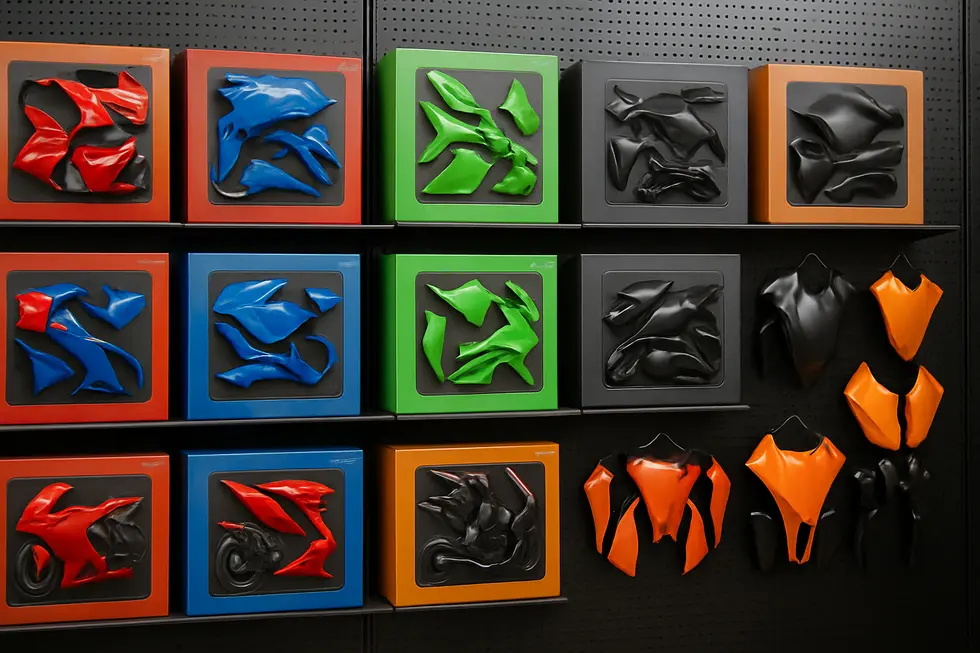
1. Innovations Driving Precision and Personalization in Motorcycle Fairing Kits
Technological advancements have revolutionized the availability and customization of motorcycle fairing kits, enhancing both fitment accuracy and rider expression. Modern kits benefit from the integration of advanced materials like ABS plastic and carbon fiber, which offer a blend of durability, flexibility, and lightweight performance. ABS injection molding ensures panels provide impact resistance with OEM-equivalent precision, while carbon fiber components attract performance riders through superior strength and aerodynamic advantages. Innovations in manufacturing—such as refined resin infusion and autoclave techniques—further elevate the consistency and finish of these body panels.
This progress enables manufacturers to produce fairings specifically tailored to individual models and production years. Fairing kits today come with pre-drilled mounting points and finishes that perfectly replicate or enhance the original design, simplifying installation while preserving aesthetics and aerodynamic function. In addition, the emergence of customization options empowers riders to select special colors, logos, and combinations, reflecting personal style without sacrificing fit or quality. These features make DIY upgrades and repairs more accessible than ever.
Expanding beyond traditional internal combustion motorcycles, the market now includes fairing sets d