

Introduction
Vector motorcycle fairings stand out as a premium aftermarket solution that blends aesthetic appeal with practical functionality. Business owners in the motorcycle retail and customization space can greatly benefit from understanding how these fairings—crafted primarily from fiberglass and tailored for popular bike models—address both rider comfort and personalization needs. This comprehensive overview details the design and material choices that underline their durability and style, highlights specific model applications that ensure seamless fit and customer satisfaction, and emphasizes the functional enhancements such fairings provide, including audio integration and wind protection. Each chapter builds on the core advantages Vector fairings offer to businesses aiming to expand their aftermarket offerings and enhance customer experiences.
Tables of Contents
Chapter 1: Design and Material Aspects of Vector Motorcycle Fairings
- Advanced Composite Materials Elevating Strength, Weight, and Longevity in Vector Motorcycle Fairings
- Streamlining Style and Performance: Aerodynamic Craftsmanship in Vector Motorcycle Fairings
- Precision Customization through Digital Vector Graphics: Elevating Design and Material Innovation in Vector Motorcycle Fairings
- Engineering Longevity: Durability and Environmental Resistance in Vector Motorcycle Fairings
- Balancing Strength, Aerodynamics, and Functionality: Structural Design and Cutout Integration in Vector Motorcycle Fairings
Chapter 2: Model-Specific Applications of Vector Motorcycle Fairings
- Innovative Technologies Enhancing Model-Specific Vector Motorcycle Fairings
- Economic Dynamics of Model-Specific Vector Fairings in Motorcycle Customization Markets
- Navigating Global Challenges: Geopolitical Impacts on Manufacturing and Distribution of Model-Specific Vector Motorcycle Fairings
- Cultural Dynamics Shaping Design and Functionality in Vector Motorcycle Fairings
- Engineering Precision: Overcoming Design Challenges in Model-Specific Vector Motorcycle Fairings
Chapter 3: Functional Enhancements Provided by Vector Motorcycle Fairings
- Streamlined Aerodynamics and Rider Protection: How Vector Motorcycle Fairings Elevate Performance
- Elevating Rider Comfort and Safety Through Advanced Vector Motorcycle Fairing Design
- Aerodynamic Impact of Vector Motorcycle Fairings on Fuel Efficiency and Speed
- Aerodynamic Stability and Enhanced Handling: The Core Functional Benefits of Vector Motorcycle Fairings
- Seamless Integration of Component Protection and Rider Ergonomics in Vector Motorcycle Fairings
Chapter 1: Design and Material Aspects of Vector Motorcycle Fairings
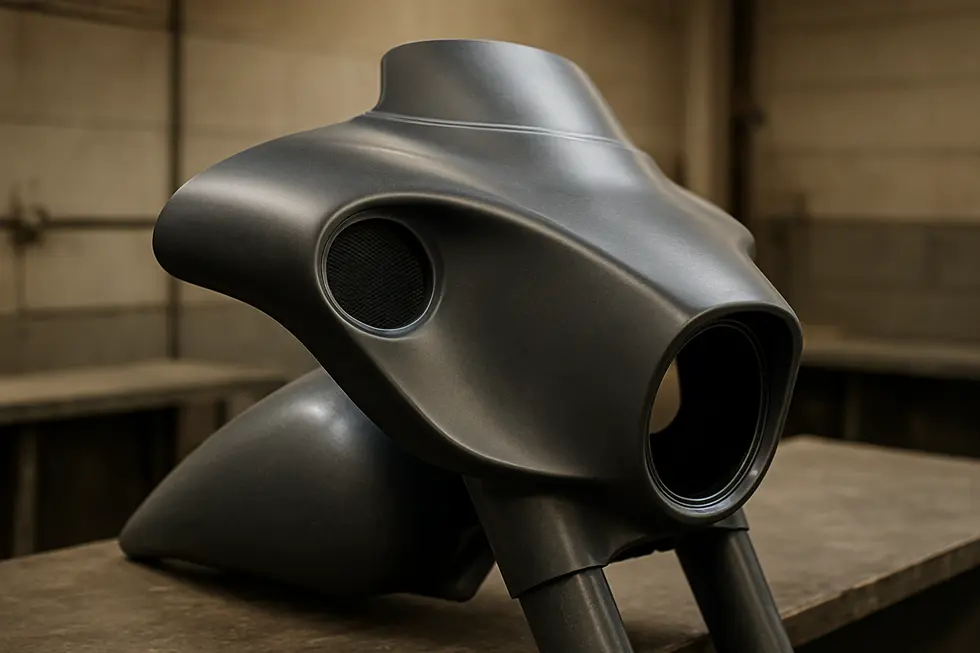
1. Advanced Composite Materials Elevating Strength, Weight, and Longevity in Vector Motorcycle Fairings
Vector motorcycle fairings exemplify the integration of advanced composite materials to achieve optimal strength, lightweight construction, and enhanced durability. Fiberglass remains a foundational element due to its proven resilience and ease of customization, but innovations increasingly incorporate carbon fiber reinforced polymers and high-performance polymers. These materials offer superior tensile strength and impact resistance, maintaining structural integrity even under demanding riding conditions.
The strategic use of composites not only strengthens the fairing but also significantly reduces its weight compared to traditional metal components. This weight reduction improves the motorcycle’s agility and fuel efficiency without compromising rider safety or the fairing’s protective functions. Cutting-edge manufacturing techniques, such as functionally graded additive manufacturing, enable precise control over material distribution. This allows critical areas to be reinforced for durability while trimming excess weight in less stressed zones.
Durability is further enhanced by the use of advanced polymers that resist ultraviolet radiation, moisture penetration, and abrasion—common factors that degrade conventional plastic fairings over time. Post-processing improvements, such as careful seam overlapping in additive manufacturing, promote stronger interlayer bonds and extend service life. Protective coatings may also be applied to shield against wear and environmental corrosion.
Together, these material innovations enable Vector motorcycle fairings to deliver an exceptional strength-to-weight ratio and long-lasting performance. Riders gain not only aesthetic and functional upgrades but also reliable, durable solutions tailored to the rigors of everyday and high-performance use. For those interested in the technical insights behind multi-material bonding and optimized interface design in additive manufacturing, detailed research offers valuable guidance that underscores these advancements.
Further reading on motorcycle fairing selections can be found in this comprehensive motorcycle fairings guide.
(Reference: Interface design optimization in composite additive manufacturing for mechanical enhancement, available via specialized engineering journals.)
2. Streamlining Style and Performance: Aerodynamic Craftsmanship in Vector Motorcycle Fairings
Vector motorcycle fairings exemplify a meticulous blend of aerodynamic engineering and artistic design that elevates both motorcycle performance and rider experience. Central to their design philosophy is the balance between reducing air resistance and enhancing aesthetic appeal. Crafted predominantly from fiberglass, these fairings are sculpted with smooth contours and tapered edges that channel airflow seamlessly around the motorcycle. This careful shaping minimizes drag and turbulence, resulting in improved wind protection and enhanced rider comfort during long rides.
The choice of materials plays a pivotal role in achieving these aerodynamic benefits. Fiberglass offers a lightweight yet durable foundation that absorbs impact without compromising shape integrity. Complemented by impact-resistant acrylic windshields, the fairings maintain clear airflow guidance while shielding riders from windblast, all without adding unnecessary weight. Secure mounting systems further preserve the fairings’ aerodynamically optimized profiles under varying speeds and road conditions, preventing vibrations or displacement that could impair performance.
Beyond functionality, style remains integral to the design. Glossy finishes and custom paint options allow riders to personalize their motorcycles, retaining aerodynamic efficiency while making a striking visual statement. Iconic shapes like the batwing fairing merge traditional styling cues with modern aerodynamic optimization, illustrating how form and function coexist. This harmonious relationship enhances the motorcycle’s presence and contributes to a more enjoyable, comfortable ride.
For riders interested in exploring tailored aerodynamic solutions and stylish customization, a variety of options are detailed in explore the best motorcycle fairings at Summit Fairings. This resource provides insights into selecting fairings that balance airflow dynamics with personal expression, underscoring how Vector fairings transform motorcycles into aerodynamic works of art.
3. Precision Customization through Digital Vector Graphics: Elevating Design and Material Innovation in Vector Motorcycle Fairings
Integrating digital vector graphics into the design and material workflows of Vector motorcycle fairings ushers in a new era of precision customization and aesthetic refinement. Unlike raster images, vector graphics use mathematical paths to create designs that scale infinitely without quality loss. This characteristic is essential when adapting artwork to the complex contours of fiberglass fairings, ensuring decals, wraps, or paint protection films align seamlessly with all curves and edges.
With highly accurate 1:1 scale vector templates tailored to specific motorcycle models—such as those resembling Harley-Davidson Road King or Yamaha Raider shapes—designers and manufacturers can produce graphics that fit perfectly. This precision prevents distortion, simplifies installation, and supports vivid, intricate patterns that maintain their sharpness and vibrancy even on complex surfaces. Moreover, these vector-based designs allow easy modifications and scalability, empowering riders with personalized styling options that remain consistent across iterations or different vehicle models.
From a materials perspective, digital vector integration synergizes with emerging manufacturing technologies like functionally graded materials (FGMs) and advanced additive manufacturing techniques. FGMs offer graduated mechanical properties within a single part, optimizing strength and weight distribution. When combined with detailed digital slicing informed by vector designs, manufacturers have the potential to produce fairings whose visual elements and structural performance are intricately woven together from the ground up.
In addition to production, AI-supported visualization tools leverage vector inputs to generate photorealistic renderings. These visualizations assist in previewing how varying finishes, lighting conditions, and color palettes will interact with the fairing’s surface before any physical application. This iterative digital design reduces trial and error, streamlines the creative process, and enhances the final product’s impact.
The confluence of digital vector graphics and advanced material science thus elevates both the look and the functional quality of Vector motorcycle fairings. By bridging precise digital artistry with innovative fabrication, this integration ensures each fairing is a finely crafted blend of style and performance, perfectly tailored to rider preferences.
Explore more on high-quality motorcycle fairing options at Summit Fairings.
Reference: MotoTemplates’ 1:1 scale vector templates demonstrating practical customization methods [1].
4. Engineering Longevity: Durability and Environmental Resistance in Vector Motorcycle Fairings
Vector motorcycle fairings are engineered to endure the demanding conditions faced on the road, where durability and environmental resistance are paramount. Central to their robust performance is the selection of fiberglass as the primary material. Fiberglass offers a superior strength-to-weight ratio, making it highly resistant to mechanical stresses such as vibration, impacts from debris, and minor collisions. This hand-laid composite construction surpasses plastics like ABS in toughness and longevity, ensuring the fairing maintains its protective and aesthetic functions over time.
Beyond mechanical properties, these fairings withstand environmental challenges through careful material treatments and design choices. Continuous exposure to UV radiation can deteriorate many plastics, causing brittleness and discoloration. The integration of specialized coatings or paint protection films (PPFs) greatly enhances UV stability, while providing hydrophobic surfaces that repel water and resist grime buildup. These films not only improve abrasion resistance but also offer self-healing characteristics, minimizing visible scratches, and thereby preserving the fairing’s finish without frequent maintenance.
Chemical resistance is another critical factor due to possible contact with fuel spills or road contaminants. The applied surface protections create a barrier against such chemicals, as well as moisture and humidity-related wear. Structurally, the fairings are designed with reinforced mounting points to prevent stress fractures, especially where speaker cutouts and accessory fittings are incorporated, ensuring durability is not compromised by functional modifications.
Collectively, the combination of fiberglass construction and advanced protective treatments equips Vector motorcycle fairings to maintain structural integrity and visual appeal in diverse and harsh riding environments. This holistic approach to durability and environmental resistance underscores their role not only as aesthetic upgrades but essential functional components. Discover deeper insights into the materials shaping motorcycle customization at this ultimate source for affordable motorcycle fairings.
For further technical details regarding surface protection technologies in automotive composites, see PCI Magazine’s coverage on paint protection films.
5. Balancing Strength, Aerodynamics, and Functionality: Structural Design and Cutout Integration in Vector Motorcycle Fairings
Vector motorcycle fairings epitomize a sophisticated balance between structural integrity, aerodynamic efficiency, and practical functionality. Their design hinges on carefully engineered geometry that sustains aerodynamic loads while minimizing weight. The use of fiberglass composites facilitates this balance, providing durability and rigidity without excessive mass. Core to the structural engineering is the strategic distribution of forces. Fairings must channel wind forces and vibrations safely into the motorcycle frame, ensuring no part suffers undue stress or deformation during high-speed travel. Concepts like stress distribution, moment of inertia, and centroid placement guide this process, enabling panels to resist bending and maintain their form under dynamic conditions.
Integral to these fairings are purposeful cutouts designed with multiple objectives. Beyond aesthetic appeal, such openings reduce weight by removing unnecessary material, which directly improves acceleration and handling responsiveness. Additionally, these cutouts function to optimize airflow, channeling cooling currents toward critical mechanical parts like the engine and brakes. Ventilation through these sections aids temperature regulation, enhancing rider safety and component longevity. From a usability standpoint, cutouts also serve as accessible entry points for maintenance, allowing quick inspection or repair without dismantling the whole fairing assembly.
Material selection further strengthens this synergy. Fiberglass composites excel by allowing precise molding and clean cutouts that preserve structural cohesion. Their adaptability in layering and fiber orientation lets designers reinforce high-stress zones while maintaining overall lightness. Moreover, these materials withstand environmental wear and UV exposure, critical for the fairing’s long-term reliability.
Ultimately, the structural design and cutout functionality of Vector motorcycle fairings coalesce to deliver rugged, aerodynamic components that improve both performance and rider experience. For a deeper dive into advanced design strategies and materials used in motorcycle fairing engineering, engineering statics and mechanics of materials resources offer valuable insights[1]. For enthusiasts interested in exploring a range of custom fairing solutions, a comprehensive source of affordable motorcycle fairings showcases diverse aftermarket options.
Chapter 2: Model-Specific Applications of Vector Motorcycle Fairings
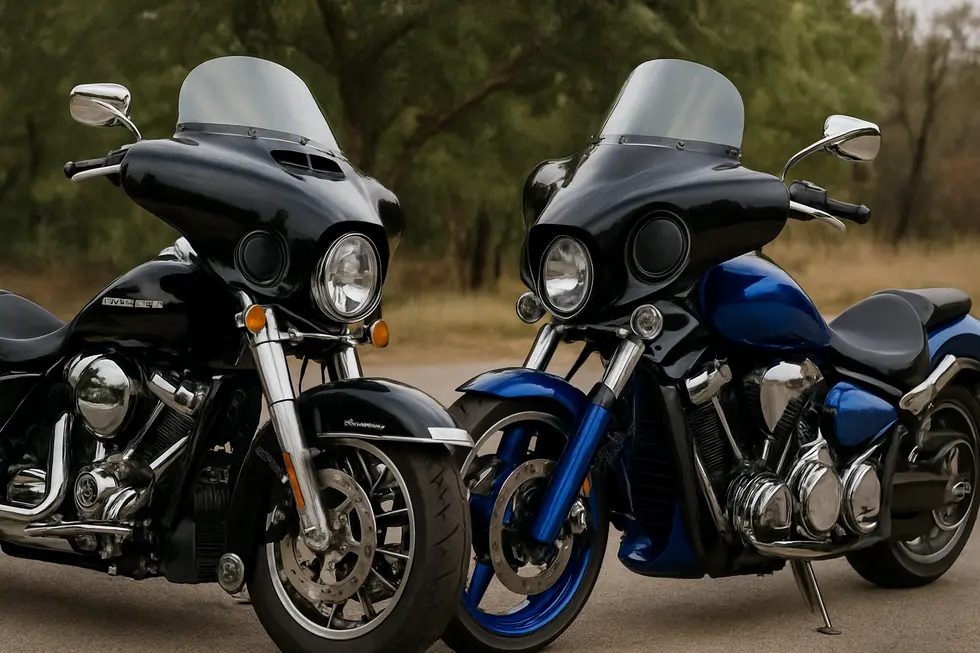
1. Innovative Technologies Enhancing Model-Specific Vector Motorcycle Fairings
Vector motorcycle fairings have evolved significantly through technological innovation, especially in their tailored applications for specific models. These advancements focus on optimizing aerodynamics, rider comfort, and seamless integration with today’s motorcycle systems, ensuring each fairing complements the unique design and mechanical needs of models like the Harley-Davidson Road King or Yamaha Raider.
The use of advanced materials such as carbon fiber and high-grade composites plays a pivotal role. These lightweight, yet durable materials reduce overall weight, improving handling without compromising strength. Their adaptability allows for precise shaping, key to refining aerodynamics that lessen drag and enhance stability at speed. This careful balance makes rides smoother and more controlled.
Beyond material innovation, Vector fairings incorporate electronic compatibility, accommodating modern features like LED lighting, sensor arrays, and connectivity with fuel management systems. Such integration enhances functional performance while keeping the fairing design model-specific. For instance, cutouts and mounting points are calibrated for standardized speaker dimensions (commonly 2×6″x9″), supporting the integration of robust audio systems without detracting from the fairing’s aerodynamic profile.
Additionally, progressive fairing designs work hand in hand with updated motorcycle systems, including improved engine cooling strategies. Modified fairing contours facilitate better airflow around radiators and essential components, ensuring consistent thermal regulation even under demanding conditions. This synergy between fairing and motorcycle aids in maintaining peak engine performance and rider control.
Ergonomic considerations also influence technology-driven updates. Adjustments in footrest positioning and shock absorber design indirectly impact fairing architecture so that rider posture and comfort improve in harmony with aerodynamic goals.
In sum, the latest model-specific technologies applied in Vector motorcycle fairings unify cutting-edge materials, aerodynamic refinement, and system integration to elevate both performance and rider experience. For further detailed insights into related innovations in motorcycle components, the comprehensive overview from a leading UK motorcycle component importer offers valuable information.
2. Economic Dynamics of Model-Specific Vector Fairings in Motorcycle Customization Markets
Model-specific vector motorcycle fairings have reshaped the economic landscape of motorcycle customization by driving deeper market segmentation and fostering demand for precise, tailored products. These fairings act as exact digital templates designed for particular motorcycle models, enabling customization shops and enthusiasts to achieve flawless application of decals, graphics, and protective finishes. This precision reduces errors, enhances fitment, and elevates the overall appearance of customized motorcycles, making specialized products more attractive and valuable to consumers.
The rise of model-specific vector fairings supports increasing specialization within the customization sector. Businesses offering hundreds of these model-tailored digital kits demonstrate consumer preference for unique, accurate customization tools that complement specific motorcycles. This trend encourages diverse product development and boosts consumer participation in bespoke bike enhancements. As more riders invest in these precise fairings, associated services like printing, paint protection, and installation also experience growth, creating a ripple effect across the market.
These specialized vector fairings lower entry barriers for small and niche businesses by providing ready-to-use, accurate templates. This democratizes access to high-quality customization resources, encouraging innovation and entrepreneurship. Furthermore, as the motorcycle industry evolves with new models and electric bikes, adaptability offered by such vector kits allows customization businesses to remain competitive and responsive to market shifts.
Overall, model-specific vector motorcycle fairings stimulate economic vitality by expanding consumer engagement, diversifying product offerings, and nurturing specialized suppliers within the customization ecosystem. Their impact extends beyond aesthetics, shaping demand patterns and reinforcing the industry’s interconnected sectors, including plastics, metals, and electronics.
Explore how dedicated providers contribute to these market trends and the commercial viability of such specialized digital tools through this detailed resource.
For further insights on motorcycle fairing options that complement customization efforts, visit Explore the Best Motorcycle Fairings at Summit Fairings.
3. Navigating Global Challenges: Geopolitical Impacts on Manufacturing and Distribution of Model-Specific Vector Motorcycle Fairings
The manufacturing and distribution of model-specific Vector motorcycle fairings are intricately shaped by geopolitical dynamics that extend well beyond design and materials. Central to this landscape is the heavy reliance on China as a primary manufacturing base. China’s expansive role in motorcycle component production, supported by advanced infrastructure and favorable policies, positions it as a key player. However, geopolitical tensions, shifting trade tariffs, or export restrictions originating from the country have a direct influence on the availability, cost, and lead times of these specialized fairings.
This complexity is further compounded by the need to satisfy diverse regional certification and safety standards, such as those set by the Economic Commission for Europe (EEC), the United States Department of Transportation (DOT), and the International Organization for Standardization (ISO). Each jurisdiction’s regulatory demands dictate the design and features of Vector fairings and determine which markets can be served. These certifications shape how manufacturers prioritize production and distribution channels globally.
Supply chain resilience is also tested by political stability and evolving trade agreements that impact shipping logistics and costs. Demand varies notably with regional motorcycle culture, with cruisers like the Harley-Davidson Road King or Yamaha Raider requiring tailored fairings, underscoring the importance of local market insights. Furthermore, the manufacturing of such model-specific accessories involves strict adherence to intellectual property laws, which differ widely across nations. Geopolitical shifts can complicate licensing and cross-border manufacturing partnerships, influencing where and how these fairings are produced.
Consequently, global market dynamics present a fluid competitive environment affected by trade wars, regional alliances, and economic policies. Manufacturers must strategically navigate these factors to optimize production sites and distribution networks. Understanding these geopolitical influences is vital for sustaining the supply of high-quality, model-specific Vector motorcycle fairings amid evolving international relations.
For a broader perspective on aftermarket customization options and purchasing channels, see the exploration of premium motorcycle fairings within the industry.
Further insights on the significance of China’s manufacturing dominance and trade policies shaping this sector can be found through related industry analyses.
4. Cultural Dynamics Shaping Design and Functionality in Vector Motorcycle Fairings
The design and application of vector motorcycle fairings are deeply influenced by cultural and societal factors that vary widely across regions and rider communities. These influences extend beyond mere aesthetics to shape how fairings are crafted to meet the particular identities, practical needs, and symbolic meanings embedded within diverse motorcycle cultures.
In many societies, motorcycles serve as powerful expressions of personal identity, social status, or lifestyle. This cultural backdrop drives demand for fairings with distinctive visual elements that resonate locally, such as vibrant colors, bold motifs, or custom artwork inspired by regional art and social media trends. Riders who identify with specific subcultures, such as cruisers or sportbike enthusiasts, will gravitate towards fairing designs that reflect their values—whether that means the minimalist vintage look associated with laid-back cruising or the aggressive aerodynamic shapes prized by performance riders.
Environmental and urban settings also shape functional adaptations. For instance, riders in congested cities favor streamlined or modular fairings that enhance maneuverability and ease of handling in stop-and-go traffic. Conversely, riders who undertake long-distance journeys often seek full-coverage vector fairings that provide superior wind protection and comfort. Regional climate variations further influence material choices and fairing construction techniques, balancing durability with weather resilience.
Market segmentation strategies by manufacturers tap into these societal patterns to tailor products for different areas. Considerations such as safety priorities, economic factors affecting aftermarket customization, and environmental awareness determine whether lightweight composites or traditional materials dominate a given market.
Ultimately, vector motorcycle fairings embody a fusion of technology and culture, serving not only as engineering components but as canvases expressing rider identity and lifestyle. This cultural integration ensures that design and functionality remain responsive to the nuanced demands of varied motorcycle communities, making fairings a vital intersection of performance and personal expression.
For insight into these broader market trends, visit this comprehensive motorcycle parts and accessories market analysis.
5. Engineering Precision: Overcoming Design Challenges in Model-Specific Vector Motorcycle Fairings
Vector motorcycle fairings embody a sophisticated blend of art and engineering, especially when developed for specific motorcycle models. Each model poses unique challenges that demand a tailored approach to ensure the fairing not only complements the bike’s style but also enhances riding dynamics. Central to the design process is optimizing aerodynamic efficiency through advanced computational fluid dynamics (CFD) simulations. These analyses allow engineers to sculpt fairings that minimize drag and improve airflow around both rider and motorcycle, elevating stability at high speeds without compromising style.
Heat management presents another significant hurdle. The fairing’s design must include strategically placed vents or exhaust passages to dissipate engine heat effectively, preventing component overheating. This must be balanced carefully to avoid disrupting airflow or weakening structural integrity. On that note, maintaining the fairing’s strength against aerodynamic forces and vibration is critical. The use of reinforced fiberglass, incorporating compound arches or braces, lends the necessary stiffness and resilience, ensuring the fairing endures demanding road conditions without excessive flexing.
Integration with a motorcycle’s unique components such as headlights, indicators, and sensory equipment further complicates design. Each element requires precise fitting to maintain full functionality while preserving aesthetic appeal. Material selection intensifies these challenges, with lightweight composites like carbon fiber preferred for their strength-to-weight ratio, though they invite complexities in cost and manufacture. Adding to the intricacy, the diverse frame geometries and mounting points across different motorcycle models necessitate highly customized engineering. This meticulous attention to fitment preserves each bike’s character while securing the fairing flawlessly.
The outcome of this complex engineering dance is a fairing that harmoniously merges aerodynamic refinement, thermal control, structural toughness, and visual integration. Such precision fulfills the distinct demands of Vector motorcycle fairings, delivering aftermarket upgrades that elevate both performance and rider comfort. For riders interested in exploring a broad selection of custom motorcycle fairings, resources like Explore the best motorcycle fairings at Summit Fairings offer valuable insights.
For a deeper dive into these technical considerations, see the detailed research on design and engineering strategies in model-specific applications at Vector’s official analyses.
Chapter 3: Functional Enhancements Provided by Vector Motorcycle Fairings
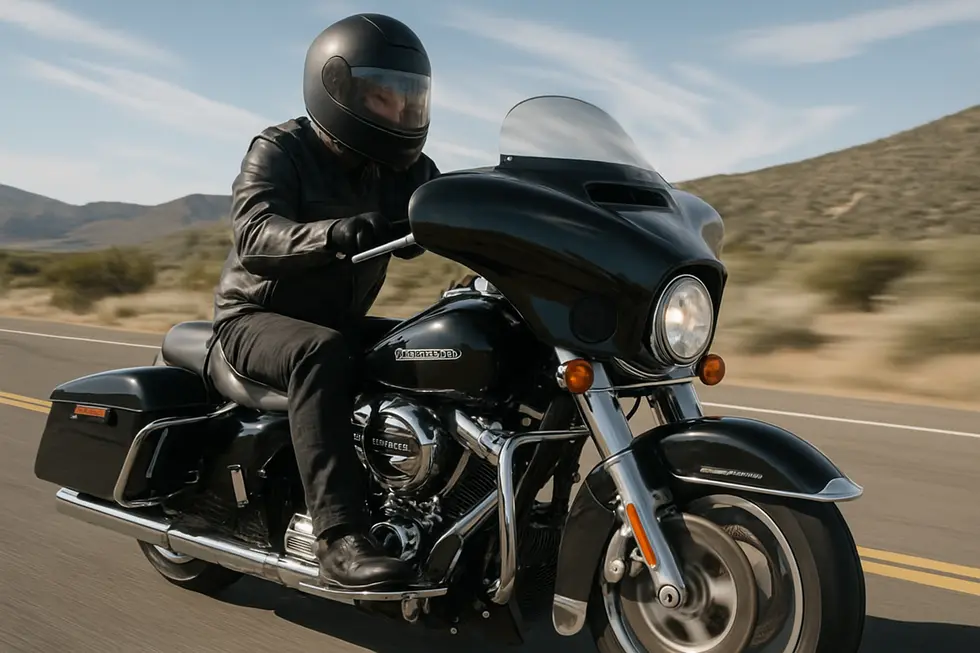
1. Streamlined Aerodynamics and Rider Protection: How Vector Motorcycle Fairings Elevate Performance
Vector motorcycle fairings play a crucial role in refining the aerodynamic profile of touring and sport motorcycles, providing more than just a stylistic upgrade. Crafted predominantly from fiberglass, these fairings are expertly shaped to reduce air resistance by smoothing airflow around the bike’s front end. This streamlining minimizes aerodynamic drag, which in turn lessens the engine’s workload, allowing for improved fuel efficiency and higher achievable speeds without sacrificing stability. The design carefully accounts for airflow management not only to reduce drag but also to channel cooling air toward essential components such as the engine and brakes, preventing overheating during extended rides or under stren