

Introduction
Motorcycle fairings play a pivotal role in enhancing both the aesthetics and functionality of bikes, particularly for riders in Canada. As riding enthusiasts seek to personalize their machines while optimizing performance, understanding the dynamics of fairing imports, retail options, and compliance standards becomes crucial. This guide delves into the intricacies of motorcycle fairings in Canada, unearthing import channels that connect local businesses to top-quality manufacturers in Asia, while also exploring retail avenues for consumers. Furthermore, we’ll navigate the regulatory landscape that ensures safety and compliance, ultimately providing Canadian business owners with the essential knowledge to make informed decisions in this competitive market.
Tables of Contents
Chapter 1: Transforming Motorcycle Fairings in Canada: The Role of Technology and Imports
- Innovative Materials and Manufacturing Trends in Canada’s Motorcycle Fairing Market
- The Pulse of Economics in Canada’s Motorcycle Fairings Market: Import Trends and Supply Chains
- The Interplay of Global Dynamics and Local Trends in Motorcycle Fairings Supply Chains
Chapter 2: Motorcycle Fairings Canada: Retail Options and Consumer Access Through E-Commerce Innovations
- Navigating the E-Commerce Realm for Motorcycle Fairings in Canada
- Unlocking Access to Motorcycle Fairings in Canada: Insights from Specialized Retailers
- Unearthing Specialized Retailers for Motorcycle Fairings in Canada
Chapter 3: Navigating Compliance in Canadian Motorcycle Fairings: A Focus on Safety Standards
- Safety Standards and Compliance: The Backbone of Motorcycle Fairings in Canada
- Ensuring Safe Installation and Compatibility of Motorcycle Fairings in Canada
- The Impact of Material Choices in Motorcycle Fairings on Long-Term Rider Safety
Chapter 1: Transforming Motorcycle Fairings in Canada: The Role of Technology and Imports

1. Innovative Materials and Manufacturing Trends in Canada’s Motorcycle Fairing Market
The motorcycle fairing market in Canada is on a transformative journey underpinned by technological advancements and shifting import dynamics. Lightweight materials play a central role in this evolution, especially high-performance composites like carbon fiber and advanced polymers. These materials not only reduce the overall weight of motorcycles but also enhance their aerodynamic efficiency. As a result, riders experience improved fuel economy, handling, and comfort, especially during long rides. This fusion of function and design is driving an increased demand for innovative fairing solutions among Canadian consumers.
Recent years have seen notable strides in manufacturing techniques, particularly 3D printing and CNC machining. These advanced methodologies are revolutionizing the production landscape for motorcycle fairings. Manufacturers are now capable of rapid prototyping, which accelerates the development of custom fairings tailored to specific models. This trend is especially beneficial for niche markets and aftermarket producers. For instance, a custom fairing designed to fit a popular model like the Kawasaki Ninja can be produced and delivered in significantly shorter time frames than traditional methods would allow.
As much of the motorcycle fairing supply in Canada is imported, the import dynamics shape the market significantly. The majority of motorcycle fairings are sourced from Asia, primarily from manufacturing powerhouses like China and India, which benefit from cost-effective manufacturing. These countries are known for their ability to produce high-quality products at prices that allow for competitive retail margins in Canada. However, recent trade tensions and tariff fluctuations have compelled Canadian distributors and original equipment manufacturers (OEMs) to reassess their supply chains and strategies.
A notable shift is the growing trend towards nearshoring, where companies look to relocate some aspects of production closer to the Canadian market. This approach not only helps mitigate the risks associated with global supply chain disruptions but also reduces lead times for high-performance or premium fairings. By fostering local production, businesses can ensure faster response times while maintaining the quality standards that consumers expect. Such strategic pivots are encouraging Canadian manufacturers to develop partnerships with international suppliers, creating a more resilient and responsive supply network.
Market implications of these developments are vast. As the industry embraces smart materials and modular design concepts—think fairings featuring quick-release systems or integrated LED lighting—the boundaries of motorcycle fairings extend beyond aesthetics and basic protection. Modular designs offer flexibility, enabling riders to customize their bikes rapidly without a complete overhaul. This presents exciting opportunities for both consumers and manufacturers, particularly as customization becomes an increasingly sought-after feature in the motorcycle community.
For Canadian consumers and businesses engaged in the motorcycle industry, staying abreast of these changing dynamics is vital. It is essential to understand not just the technological advancements that influence product development but also how pricing, tariffs, and import regulations impact purchasing decisions. As the demand for personalized, high-performance components continues to rise, the Canadian market is poised to forge a unique identity—blending the affordability of imported goods with the craftsmanship and innovation of local production.
Riders and shop owners can explore a variety of options for acquiring fairings. While many choose to import directly from established manufacturers in regions like Guangdong or Fujian, local retailers and online platforms like Amazon.ca and Cycle Gear Canada provide access to a wide array of fairing selections, catering to different motorcycle models. Ensuring compatibility with specific vehicles—from classics like Harley-Davidson’s Street Glide to sport variants such as Yamaha’s R1—is crucial. Compliance with Canadian traffic regulations around vehicle appearance and safety can further complicate the purchasing process.
In conclusion, the integration of advanced materials, innovative manufacturing techniques, and a strategic focus on import dynamics reflects a vibrant evolution within the Canadian motorcycle fairing market. As technological innovations continue to emerge and the landscape adapts to the realities of global trade, the interplay between imported parts and local craftsmanship promises to enhance the riding experience for enthusiasts across Canada. For the latest insights on regulations, tariffs, and pertinent trends relating to motorcycle fairing imports, stakeholders are encouraged to consult official resources such as Global Affairs Canada and the Canada Border Services Agency (CBSA).
For a variety of high-quality fairing options tailored to different motorcycle models, riders can check out listings for specific brands and styles at Summit Fairings for their next upgrade.
2. The Pulse of Economics in Canada’s Motorcycle Fairings Market: Import Trends and Supply Chains
The motorcycle fairings market in Canada operates within a complex web of economic factors that dictate its import dynamics and supply chain efficacy. These elements not only shape pricing strategies but also affect the accessibility of different motorcycle fairings for both consumers and retailers across the nation.
Among the most pivotal economic forces are currency exchange rates. The value of the Canadian dollar, particularly in relation to the U.S. dollar and other major currencies, directly influences import costs. Many manufacturers depend heavily on overseas suppliers, especially those located in Asia, where a majority of motorcycle fairings are produced. When the Canadian dollar depreciates, the price of importing these fairings rises significantly. This change often compels local dealers to adjust their pricing strategies, potentially increasing retail costs for consumers. Thus, riders searching for fairings must remain vigilant about not only the quality of products but also the timing of their purchases related to currency fluctuations.
Furthermore, trade policies play a critical role in shaping market dynamics. Under agreements such as the United States-Mexico-Canada Agreement (USMCA), trade between these nations is meant to be streamlined; however, it is not without its complexities. Changes in tariff classifications can have immediate impacts on costs, as might the initiation of anti-dumping investigations which often target certain imported components, notably those made from plastic. For instance, the inclusion of motorcycle fairings under new classifications may lead to unexpected duty increases, affecting the overall logistics of how fairings are priced and sold. Canadian distributors must navigate this labyrinth of regulations efficiently, requiring a substantial understanding of local and international trade laws to minimize costs and ensure compliant operations.
The influence of global economic conditions cannot be underestimated either. As inflationary pressures rise globally, costs associated with production and logistics invariably escalate. This trend may affect the pricing of motorcycle fairings, prompting consumers to reconsider their purchasing decisions, potentially gravitating toward less expensive options rather than premium or custom fit fairings. Such a shift may demonstrate a broader behavioral change in the rider community, where value for money becomes a critical driver in purchasing choices. The impact of inflation can lead to an interesting conundrum where higher prices stifle overall demand while simultaneously encouraging a shift in product preferences towards budget-friendly solutions.
Moreover, the stability of supply chains remains integral to maintaining a consistent product flow within the motorcycle fairings market. Disruptions due to geopolitical tensions or logistical challenges can create significant inventory shortages, complicating the availability of fairings across Canada. When manufacturers encounter difficulties in sourcing necessary components, the implications are far-reaching, affecting both aftermarket and original equipment manufacturer (OEM) parts. Delays in transport logistics, heightened shipping costs, and varying availability of materials can all contribute to an unpredictable market landscape, leading to longer wait times for consumers and dealers alike.
For example, a sudden increase in shipping expenses can pressure suppliers to either absorb the costs or pass them onto consumers, causing complications for both inventory management and pricing predictability. Riders who need specific fairings compatible with various motorcycle models like the Harley-Davidson Street Glide or the Yamaha R1 may find themselves navigating delays and escalated costs as logistics continually faces pressures ranging from global unrest to pandemic recovery dynamics.
In light of these challenges, it becomes clear that understanding the economic factors influencing the motorcycle fairings market is paramount for anyone involved in the sector. Dealers and consumers alike must stay informed about the ongoing shifts in currency dynamics, trade policies, and the broader global economic landscape. Knowledge of these factors directly informs purchasing strategies, whether one opts to buy from local retailers offering online platforms or seeks direct imports from established manufacturers in key regions such as Guangdong or Zhejiang. Attention to compatibility and compliance with Canadian transportation regulations becomes a necessary part of the procurement process, ensuring that motorcycle fairings not only meet aesthetic desires but also adhere to legal and safety standards.
Ultimately, the interplay between these economic factors creates a dynamic landscape for motorcycle fairings in Canada. For those seeking specific models or custom designs, navigating this environment requires insight into a range of issues from exchange rates to supply chains. Retailers who can adeptly manage these factors may find themselves at a distinct advantage in meeting rider needs amidst a constantly evolving market. As Canadian buyers continue to explore options in motorcycle fairings, remaining ahead of economic trends will serve as a crucial strategy for enhancing both satisfaction and business viability. For a closer examination of high-quality fairing options available in Canada, consider exploring collections from reputable sources.
3. The Interplay of Global Dynamics and Local Trends in Motorcycle Fairings Supply Chains
The landscape of motorcycle fairings in Canada is not merely defined by consumer preferences or manufacturing capabilities; rather, it is profoundly shaped by the intertwining forces of geopolitics and societal trends. As the demand for high-quality motorcycle components grows, so too does the importance of understanding the dynamics that underpin the import processes and supply chains shaping this unique market.
Geopolitical Influences play a significant role in directing the flow of motorcycle fairing imports, particularly from leading manufacturing hubs like China. As one of the world’s most dominant producers of motorcycle components, China benefits from robust infrastructure, advanced manufacturing techniques, and an expansive supply chain designed primarily for export. However, the ever-shifting landscape of international relations poses a challenge. Trade agreements, tariffs, and tensions—especially those between the U.S. and China—can create ripples that affect Canadian buyers, altering the cost structures and availability of essential materials such as polycarbonate and ABS plastics, which are vital for fairing production.
The complexities of these international trade dynamics extend further into the Canadian market. As manufacturers and dealers source their products, they must navigate an environment that is sensitive to any geopolitical friction. For instance, a sudden increase in tariffs on Chinese imports due to diplomatic disagreements can complicate supply chains, driving up costs for Canadian retailers and ultimately impacting consumers. This interconnectedness signifies that Canadian distributors and manufacturers must remain vigilant to the global political climate while continuously assessing local and international risk factors for their procurement strategies.
Societal Trends, meanwhile, are progressively reshaping consumer expectations and industry standards. A heightened emphasis on sustainability and environmental responsibility is becoming more prevalent. Canadian consumers are increasingly advocating for products that not only perform well but also align with their values, such as eco-friendliness and ethical sourcing practices. This societal shift encourages manufacturers to explore more sustainable production methods, including utilizing recycled materials in fairings or even fostering local manufacturing initiatives to minimize carbon footprints related to transportation.
In response to these evolving societal expectations, Canadian companies are rethinking their supply chain strategies. There is a marked trend toward either domestic production or near-shore partnerships that can cater more directly to local tastes while reducing reliance on distant suppliers. Such strategies are particularly beneficial in ensuring compliance with Canadian regulations regarding vehicle safety and environmental standards, enhancing the overall resilience of the motorcycle fairing supply chain.
The integration into North American supply networks plays a pivotal role in streamlining product availability and reducing delays. Agreements like the USMCA enable smoother cross-border transactions and encourage collaboration among Canadian manufacturers, U.S. suppliers, and Mexican producers. This synergy fosters a more localized approach to sourcing while ensuring that products meet regional content requirements. In turn, this diversification within the supply chain alleviates potential disruptions associated with reliance on a single source, thereby providing a buffer against geopolitical uncertainties.
Further compounding these dynamics are consumer preferences, which continuously evolve in the face of technological advancements. Riders increasingly seek customized and high-performance fairings that not only enhance aesthetics but also support improved aerodynamics and functionality. As this demand intensifies, manufacturers are compelled to innovate rapidly, requiring supply chains that are agile, responsive, and adept at handling diverse product lines. The necessity for quick design alterations, whether for aesthetic modifications or performance upgrades, further reinforces the value of integrated and locally-oriented supply networks.
Ultimately, navigating the nuances of the motorcycle fairing market in Canada requires a nuanced understanding of both geopolitical factors and societal trends. The interplay between these elements shapes not only the availability and pricing of fairings but also influences consumer purchasing decisions. As the market continues to evolve, stakeholders—whether manufacturers, dealers, or consumers—must remain acutely aware of how these broader dynamics affect their interests and strategies.
In this complex landscape, resources and vendors that offer reliable information and supply options are invaluable. For those seeking robust fairing options that meet both performance and compatibility needs, various local retailers—like those providing a range of fairing options for popular motorcycle brands—serve as pivotal links in the supply chain. Engaging these local resources fosters a deeper understanding of market trends and enables effective responses to the evolving demands of the motorcycle community.
For more information on specific motorcycle fairings available in Canada, visit various suppliers’ offerings to see a diverse range suited for different models and preferences.
Chapter 2: Motorcycle Fairings Canada: Retail Options and Consumer Access Through E-Commerce Innovations
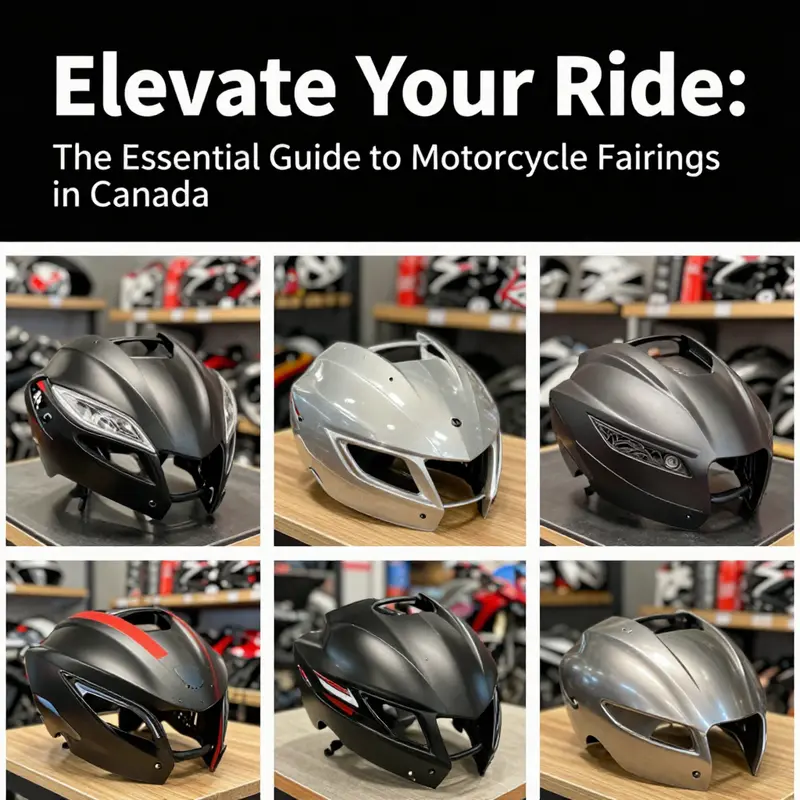
1. Navigating the E-Commerce Realm for Motorcycle Fairings in Canada
The increasing accessibility of motorcycle fairings in the Canadian market is significantly shaped by the evolving e-commerce landscape. Riders and enthusiasts seeking to enhance their motorcycle’s aesthetics and functionality can now explore a plethora of options online. The shift towards digital shopping platforms has been driven not only by convenience but also by an expanding range of products designed to cater to diverse riding styles—from touring and sport-touring models to those used for daily commuting.
E-commerce giants like Amazon.ca and dedicated retailers such as Motorcycle Fairings Canada are at the forefront of this trend, providing extensive inventories of motorcycle fairings. These platforms offer detailed product specifications and allow consumers to read customer reviews, which play a critical role in the purchasing decision process. Many of these sites have incorporated compatibility filters that permit users to search for parts based on their motorcycle’s make, model, and year. This real-time adaptability simplifies the shopping experience, mitigating the risk of buying incompatible parts.
Moreover, emerging features such as 3D visualization tools and virtual fitting guides are reshaping how consumers interact with motorcycle fairings online. These advancements support riders in visualizing how specific fairings will enhance their bikes, addressing one of the common hesitations linked to online purchases—uncertainty about fit and appearance. This personalized interaction fosters a deeper connection between the consumer and the product, ultimately driving sales while enhancing user satisfaction.
As sustainability rises to prominence in consumer preferences, brands are adapting to meet the growing demand for environmentally conscious options. The production of motorcycle fairings is now steering towards eco-friendly materials and practices. Manufacturers are utilizing advanced engineering standards with a focus on not only durability but also aerodynamic efficiency and impact resistance. This shift signifies a broader industry trend prioritizing responsible manufacturing practices, appealing to a demographic increasingly concerned with their environmental footprint.
The market is also witnessing a revival of iconic fairing designs, such as the Batwing and Sharknose styles, particularly favored by Harley-Davidson enthusiasts. These traditional designs have been reimagined with modern materials, making them lighter while still retaining their classic aesthetic. This juxtaposition of vintage styling with contemporary advancements caters to a wide array of consumer tastes. The integration of advanced technology in these designs—like the innovative 12.3-inch Skyline OS which offers features such as Apple CarPlay and turn-by-turn navigation—highlights that motorcycle fairings are evolving beyond mere protective coverings; they are becoming integral components of a connected riding experience.
For Canadian consumers, these developments translate into an abundant selection of fairings that are not only functional but also strikingly stylish. E-commerce platforms are ensuring that riders across Canada have convenient access to high-quality fairings, facilitating a seamless purchasing process from the comfort of their homes. Riders can now indulge in a custom look for their motorcycles without the hassle of visiting multiple brick-and-mortar stores and enduring geographical limitations.
Another crucial factor influencing the accessibility of motorcycle fairings through online retail is the relationship between consumer demand and supply chain dynamics. As Canadian consumers increasingly embrace online shopping for motorcycle accessories, retailers have responded by enhancing their stocking strategies to meet this changing landscape. This influx of online shopping has created a competitive environment where suppliers strive to provide better products and services to attract consumers. This evolving marketplace benefits not just the large retailers but also fosters smaller, niche suppliers who can cater to unique customer needs.
In conclusion, the incorporation of diverse e-commerce strategies has revolutionized how Canadian consumers access motorcycle fairings. The plethora of options available online ensures that every rider, whether they require standard replacements or custom modifications, can find adequately fitting components with ease. With the ongoing advancements in technology and sustainability within the manufacturing process, the future of motorcycle fairings in Canada appears bright—promising not only enhanced choice but also a more responsible approach to rider accessories. As riders navigate this e-commerce terrain, platforms like Motorcycle Fairings Canada remain pivotal in connecting them to both function and style, ensuring that their motorcycles are not just means of transportation but also expressions of personal identity and values.
For those considering models from specific brands, sites like Motorcycle Fairings Canada provide access to an extensive range of products tailored to popular makes and models, making the search for the perfect fairing more straightforward.
2. Unlocking Access to Motorcycle Fairings in Canada: Insights from Specialized Retailers
The landscape of motorcycle fairing retail in Canada presents both opportunities and challenges, especially when considering access through specialized dealers. Although the market for motorcycle fairings includes many alternatives, it’s crucial to highlight that certain well-known brands, such as Specialized, which primarily cater to bicycles, do not fall within the realm of motorcycle parts and accessories. This discrepancy highlights an often-overlooked fact: the Canadian motorcycle fairing market is large but can be accessed more effectively through dedicated motorcycle retailers rather than generalized bicycle dealers.
For motorcycle enthusiasts seeking durable and stylish fairings, dedicated motorcycle parts retailers stand as the most effective source. These businesses not only carry parts that meet specific motorcycle makes and models but also provide expertise that can be immensely valuable for consumers. When riders enter these shops, they find a range of fairings from full body kits to half and quarter fairings, all tailored to different styles and personal preferences. These dealers boast a deeper understanding of their customers’ needs, offering personalized solutions often absent in larger online retail environments.
Given that Canadian consumers are often seeking quality products at competitive prices, it’s imperative to recognize the role of international suppliers, particularly those from manufacturing hubs like China. Canada significantly imports motorcycle fairings, leveraging the advanced production capabilities and established logistical networks found in regions such as Guangdong, Zhejiang, and Fujian. With the stronghold China has in this industry, many Canadian retailers partner with these manufacturers to deliver a wide range of high-quality fairing options. Local dealers, understanding the nuances of importing and supplier reliability, often act as intermediaries, ensuring that riders get access to the fairings that meet Canadian regulations and specific motorcycle requirements.
In the realm of online shopping, platforms like Amazon Canada and eBay Canada have emerged as convenient options for acquiring motorcycle fairings. These platforms broaden the selections available to Canadian consumers, featuring products from a diverse array of manufacturers. Shoppers can explore a multitude of styles, materials, and designs, tailored to various bike brands such as Harley-Davidson, Yamaha, Suzuki, and Kawasaki. Both platforms provide user reviews and ratings, allowing prospective buyers insights from fellow enthusiasts which facilitate informed purchasing decisions.
However, while online retail provides ample options, it is essential for consumers to navigate carefully. The compatibility of the fairings with specific motorcycle models must be verified to ensure compliance with Canada’s strict vehicle standards for both safety and aesthetics. Many e-commerce sites incorporate compatibility filters, but potential buyers should remain proactive in confirming fitment, especially since mismatched fairings can lead to not just aesthetic dissatisfaction but also safety liabilities.
Additionally, many independent motorcycle shops across Canada actively engage in customizing and installing fairings, delivering not only products but services that can enhance the overall riding experience. These establishments inform their customers about the latest trends in fairing design, material advancement, and manufacturing techniques. They serve as more than just retail outlets; they are community hubs for motorcycle enthusiasts. Discussions about performance improvements, aesthetic enhancements, and aftermarket modifications frequently take place, further enriching the consumer experience.
Regardless of the retail option chosen, Canadian consumers aiming to purchase motorcycle fairings would be prudent to engage with local motorcycle dealerships. Many dealerships stock sections of motorcycle parts, including fairings, as part of their inventory. Additionally, they often provide expert guidance, assisting customers in navigating specifications and compliance requirements related to Canadian traffic regulations. This ensures that any modifications made do not infringe upon legal standards, promoting both rider safety and adherence to the law.
In conclusion, while the motorcycle fairing market in Canada may present some challenges due to limited specialized retailers like Specialized, various options exist to ensure accessibility and availability for Canadian riders. From dedicated motorcycle parts retailers to expansive online marketplaces, consumers are empowered to make informed choices. As the market continues to evolve, fostering relationships with specialized dealers and being proactive about compatibility and compliance will enable Canadian motorcyclists to find the fairings that best suit their needs, enhancing both performance and style on the roads. For specific fairing needs, visiting sites like summitfairings.com could provide consumers with tailored options for significant motorcycle models.
3. Unearthing Specialized Retailers for Motorcycle Fairings in Canada
In the landscape of motorcycle fairings in Canada, the reliance on specialized retailers surpasses that of big-box retail stores. While giants like Walmart or Best Buy dominate in various product categories, they largely overlook the niche market of motorcycle parts, particularly fairings. The unique characteristics of these components—ranging from their tailored fit to the stringent safety standards—necessitate a more focused approach.
For Canadian motorcyclists, the pursuit of quality and compatibility can lead them to dedicated motorcycle parts dealers, which offer collections that range from original equipment manufacturer (OEM) accessories to high-performance aftermarket modifications. Prominent establishments such as Cycle Gear, Moto-Depot, and Bike Masters specialize in a vast variety of motorcycle fairings for numerous models including sportbikes, cruisers, and touring machines. Consumers can expect an extensive selection that provides options fitting popular brands like Harley-Davidson, Yamaha, and Kawasaki.
For instance, when seeking motorcycle fairings for a Harley-Davidson Street Glide, riders can turn to an authorized dealer of Harley-Davidson Canada. These dealers stock original fairings designed specifically for contemporary models such as the 2026 Road Glide and Street Glide, featuring aerodynamic shapes like the “Batwing” and “Sharknose,” which are integral to both style and function. Such official channels guarantee that consumers receive parts eng