

Introduction
Motorcycle fairings are essential components that significantly influence a bike’s aesthetics and protection. For businesses involved in aftermarket parts, repairs, or customization, understanding the best spray paint for motorcycle fairings is crucial to delivering quality results that satisfy discerning customers. This knowledge not only enhances product longevity but also boosts brand reputation in a competitive market. This guide explores six critical dimensions: from durability and weather resistance to adhesion and flexibility requirements, proper surface preparation, chemical compositions, economic factors, and leading market brands. Each chapter builds a comprehensive perspective to help business owners select and recommend spray paints that guarantee long-lasting, high-quality finishes on motorcycle fairings.
Tables of Contents
Chapter 1: Durability and Weather Resistance in the Best Spray Paint for Motorcycle Fairings
- Cutting-Edge Formulations Driving Superior Durability and Weather Resistance in Motorcycle Fairing Paints
- Balancing Cost and Performance: Economic Influences on Durable, Weather-Resistant Spray Paints for Motorcycle Fairings
- Global Market Dynamics Shaping Availability and Innovation in Durable Spray Paints for Motorcycle Fairings
- Balancing Rider Preferences and Sustainability in Durable, Weather-Resistant Motorcycle Fairing Paints
Chapter 2: Adhesion and Flexibility Requirements for the Best Spray Paint for Motorcycle Fairings
- Innovative Coating Technologies Enhancing Adhesion and Flexibility in Motorcycle Fairing Spray Paints
- Balancing Cost and Quality: Economic Considerations of Adhesion and Flexibility in Motorcycle Fairing Paints
- How Global Market Dynamics Shape Adhesion and Flexibility Standards in Motorcycle Fairing Spray Paints
- Balancing Environmental Impact and Rider Preferences in Spray Paint Performance
Chapter 3: Preparation and Application Techniques for the Best Spray Paint for Motorcycle Fairings
- Mastering Surface Preparation to Enhance Paint Adhesion on Motorcycle Fairings
- Mastering the Art of Selecting and Applying Spray Paint for Durable Motorcycle Fairings
- Ensuring Safety and Environmental Care During Motorcycle Fairing Spray Painting
- Enhancing Longevity and Gloss: Essential Post-Painting Finishes for Motorcycle Fairings
Chapter 4: Chemical Composition and Types of the Best Spray Paint for Motorcycle Fairings
- Unlocking the Chemistry Behind Durable Spray Paints for Motorcycle Fairings
- Understanding Spray Paint Types: Balancing Composition, Adhesion, and Performance for Motorcycle Fairings
- Innovative Chemical Compositions and Spray Paint Technologies Elevating Motorcycle Fairing Protection
- Economic and Social Dimensions of Spray Paint Chemistry in Motorcycle Fairing Customization
Chapter 5: Economic and Technological Factors Influencing the Best Spray Paint for Motorcycle Fairings
- Balancing Cost and Quality: Navigating Economic Realities and Market Trends in Spray Painting Motorcycle Fairings
- Cutting-Edge Material Innovations and Precision Application Techniques Shaping Motorcycle Fairing Paints
- Global Supply Dynamics Shaping the Economics and Innovation of Spray Paints for Motorcycle Fairings
- Sustainability and Shifting Consumer Preferences: Environmental and Societal Influences on Spray Paint Choices for Motorcycle Fairings
Chapter 6: Market Brands and Consumer Preferences for the Best Spray Paint for Motorcycle Fairings
- Cutting-Edge Innovations Shaping Spray Paint Technology and Consumer Choices for Motorcycle Fairings
- Economic Dynamics Driving Consumer Choices and Brand Strategies in Spray Paints for Motorcycle Fairings
- How Geopolitical Shifts Shape Brand Availability and Consumer Choices in Spray Paint for Motorcycle Fairings
- How Cultural Trends and Community Values Shape Consumer Choices in Motorcycle Fairing Spray Paints
Chapter 1: Durability and Weather Resistance in the Best Spray Paint for Motorcycle Fairings

1. Cutting-Edge Formulations Driving Superior Durability and Weather Resistance in Motorcycle Fairing Paints
Advances in spray paint technology have revolutionized the durability and weather resistance critical for motorcycle fairings. Modern paint systems increasingly incorporate urethane-based chemistries combined with proprietary plastic adhesion promoters, enabling exceptional bonding to ABS and fiberglass surfaces. These formulations offer enhanced flexibility to endure vibrations and mechanical stress without cracking. UV stabilizers embedded within paints inhibit color fading and pigment breakdown during prolonged sun exposure, while innovative weather-resistant additives protect against moisture, fuel, and chemical splashes. Additionally, improvements in spray nozzle design facilitate ultra-fine, even layers, reducing run issues and ensuring consistent coverage. This synergy of chemical innovation and application technology results in finishes that maintain gloss and structural integrity over time, even under harsh environmental conditions. For hobbyists and professionals seeking tailored solutions, leveraging these innovations offers both ease of application and professional-grade results. To deepen your knowledge on maintaining motorcycle fairings, visit this comprehensive resource on motorcycle fairings.
2. Balancing Cost and Performance: Economic Influences on Durable, Weather-Resistant Spray Paints for Motorcycle Fairings
Selecting the best spray paint for motorcycle fairings requires weighing economic factors alongside durability and weather resistance. Premium spray paints that offer superior UV protection, chemical resistance, and flexibility typically come with higher upfront costs. However, these investments often reduce the need for frequent repainting or repairs caused by cracking, fading, or peeling. Choosing paints compatible with plastic primers and automotive-grade clear coats enhances longevity, which can offset expenses over time. Additionally, spray paints with user-friendly application tools help minimize waste and speed up the repainting process, translating into cost savings in labor and materials. When compared to alternatives like professional repainting or vinyl wrapping, quality spray paint often presents a more accessible and budget-friendly approach to maintaining or customizing fairings without sacrificing performance. For riders seeking top-tier options that blend affordability with durability, exploring comprehensive sources of quality fairings and refinishing tips, such as the material found at Summit Fairings, can provide valuable guidance.
3. Global Market Dynamics Shaping Availability and Innovation in Durable Spray Paints for Motorcycle Fairings
The availability and evolution of durable, weather-resistant spray paints for motorcycle fairings are deeply influenced by global market dynamics and geopolitical factors. International trade policies, tariffs, and supply chain disruptions affect the sourcing of raw materials crucial for advanced paint formulations. For instance, restrictions on certain chemical precursors or pigments in some regions can slow innovation or limit access to high-performance products. Conversely, collaborations among countries with strong chemical industries enable improved research and production capabilities, advancing the quality and sustainability of spray paints. Furthermore, political stability and industrial regulations in manufacturing hubs impact production continuity and product consistency, which directly affect how readily hobbyists and professionals can acquire reliable paint options. These geopolitical elements, coupled with trade agreements and regional demand fluctuations, shape the landscape of spray paint development and distribution. This complex interaction underscores the importance of selecting paints backed by reputable supply chains and highlights how external factors beyond formulation chemistry influence what ultimately reaches the consumer. For insights on sourcing quality motorcycle components to complement your paint work, explore this comprehensive guide to motorcycle fairings.
4. Balancing Rider Preferences and Sustainability in Durable, Weather-Resistant Motorcycle Fairing Paints
Durability and sustainability have increasingly shaped how riders choose spray paints for motorcycle fairings. Enthusiasts seek paints that withstand harsh weather, UV exposure, and abrasion while aligning with eco-conscious values. Modern spray paints incorporate advanced formulations that not only ensure long-lasting adhesion and weather resistance but also minimize environmental impact through reduced volatile organic compounds (VOCs) and safer chemical profiles. This reflects a societal shift toward responsible customization where sustainability complements performance. Riders appreciate paints that perform under the stresses of riding without frequent reapplication, reducing waste and resource use over time. Additionally, the availability of durable paints supporting clear coat applications facilitates maintenance of finish and color vibrancy. These preferences drive innovation in spray paint chemistry, balancing technical requirements with greener formulations. For those interested in exploring quality fairings compatible with these durable, weather-resistant finishes, Summit Fairings is a valuable resource offering a wide selection tailored for customization. This intersection of user demands and sustainability priorities shapes the future direction of spray paint technologies for motorcycle fairings.
Chapter 2: Adhesion and Flexibility Requirements for the Best Spray Paint for Motorcycle Fairings
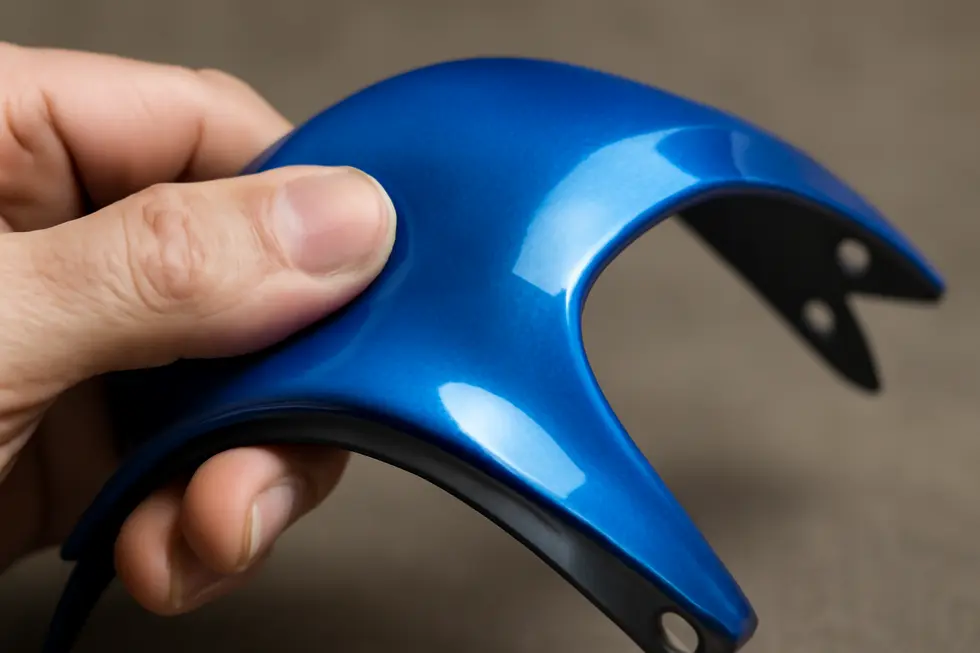
1. Innovative Coating Technologies Enhancing Adhesion and Flexibility in Motorcycle Fairing Spray Paints
Advancements in spray paint technology have transformed the way coatings bond to motorcycle fairings, particularly on plastic substrates like ABS and fiberglass. Modern formulations incorporate specialized resins and adhesion promoters designed to enhance flexibility, preventing cracks and peeling under constant vibration and impact. These innovations focus on creating molecular bonds that accommodate plastic’s natural expansion and contraction, crucial for maintaining the finish during riding stress and temperature shifts. Additionally, current urethane and epoxy-based spray paints often include UV stabilizers and weather-resistant additives, significantly improving durability against sunlight, moisture, and chemical exposure. The integration of fine spray nozzles and precise aerosol engineering also ensures more uniform application, reducing overspray and runs while boosting surface smoothness. Such technological progress not only fortifies the paint’s mechanical resilience but elevates the visual gloss and clarity when paired with automotive-grade clear coats. Embracing these innovations allows riders and customizers to achieve professional-grade finishes that withstand environmental and mechanical challenges effectively. For more insights on quality fairing materials and paints, explore Summit Fairings’ extensive selection.
2. Balancing Cost and Quality: Economic Considerations of Adhesion and Flexibility in Motorcycle Fairing Paints
Selecting spray paint that delivers optimal adhesion and flexibility for motorcycle fairings involves important economic trade-offs. While high-performance urethane-based paints and specialized plastic primers may come at a premium price, their resistance to cracking, peeling, and environmental damage reduces the need for frequent repainting or repairs. This durability translates to long-term cost savings by preserving the fairing’s appearance and structural integrity despite continual exposure to vibrations, UV light, and moisture.
Lower-cost paints often lack the flexibility and adhesion properties necessary for plastic fairings, leading to premature wear that can necessitate costly refinishing or even replacement. Moreover, products with easy-to-apply spray nozzles and compatibility with automotive-grade clear coats help hobbyists and professionals save time, lowering labor expenditure. When compared to alternative customization methods like professional rodding or vinyl wrapping, quality spray paint offers a more budget-conscious solution without sacrificing protective function or aesthetic appeal.
For riders seeking dependable, cost-effective motorcycle fairing finishes, investing in paints engineered for plastic adhesion and flexibility ultimately delivers greater value. For those interested in exploring quality fairing options complemented by expert guidance, more insights can be found at Explore the Best Motorcycle Fairings at Summit Fairings.
3. How Global Market Dynamics Shape Adhesion and Flexibility Standards in Motorcycle Fairing Spray Paints
The requirements for adhesion and flexibility in motorcycle fairing spray paints are subtly influenced by geopolitical factors shaping global manufacturing and supply chains. Regions with stricter environmental regulations demand paints that meet rigorous chemical safety and emission standards, which impacts formulation choices—driving innovations in low-VOC urethane or waterborne coatings that still provide superior adhesion and flexibility. Moreover, trade policies and international relations affect access to raw materials like specialized resins and plastic primers essential for bonding on ABS or fiberglass substrates. This influences production costs and availability, encouraging manufacturers to tailor products for regional climates and legal frameworks. For example, areas with intense UV exposure spur demand for enhanced UV resistance integrated within flexible coatings, while politically stable regions benefit from wider distribution of premium automotive-grade paints. Understanding these geopolitical dynamics helps riders and professionals select paints that offer optimal performance against local stresses. For further insights into selecting quality fairings compatible with specialized paints, see Explore the best motorcycle fairings at Summit Fairings.
4. Balancing Environmental Impact and Rider Preferences in Spray Paint Performance
Choosing the best spray paint for motorcycle fairings involves more than technical specifications—it must also account for environmental responsibility and the evolving tastes of riders. Paint formulations today increasingly embrace eco-friendly ingredients to reduce volatile organic compounds (VOCs) and hazardous chemicals. This shift aligns with broader societal demands for sustainable products without compromising adhesion and flexibility critical to fairings’ durability. Riders seek paint that withstands UV exposure, weather changes, and chemical contact while supporting customization trends that express individuality. The challenge lies in developing coatings that merge high performance with lower environmental footprint, addressing both regulatory standards and consumer values. As customization grows, spray paints must maintain robust bonding on plastics prone to vibrations and stress, preserving aesthetic appeal and structural resilience. This balance of ecological mindfulness and rider preferences ensures the spray paint not only protects fairings but also supports a sustainable and personalized motorcycling culture. For more insights into motorcycle fairing options, explore affordable motorcycle fairings.
Chapter 3: Preparation and Application Techniques for the Best Spray Paint for Motorcycle Fairings

1. Mastering Surface Preparation to Enhance Paint Adhesion on Motorcycle Fairings
Achieving a flawless and long-lasting paint finish on motorcycle fairings begins with meticulous surface preparation. Since fairings are primarily made from ABS plastic or fiberglass, proper cleaning and sanding are crucial steps. Initially, remove all dirt, oils, and residues using a dedicated plastic cleaner or mild solvent, ensuring no contaminants interfere with paint adhesion. Light sanding with fine-grit sandpaper smooths the surface and creates microscopic abrasions, which help the primer and paint bond more effectively.
Following this, applying a plastic adhesion promoter is essential; it acts as a bridge between the flexible plastic surface and the paint layers, minimizing risks of chipping or peeling due to vibrations and stress during rides. Adhering strictly to recommended drying times between each step maximizes durability and finish quality.
Using spray cans equipped with a fine nozzle allows even paint application, reducing runs and blotches. Finally, sealing the painted surface with an automotive-grade clear coat protects against UV damage and minor abrasions, preserving gloss and color vibrancy. For those interested in exploring high-quality fairing options and expert guidance, visiting Summit Fairings blog offers valuable resources.
2. Mastering the Art of Selecting and Applying Spray Paint for Durable Motorcycle Fairings
Achieving a flawless finish on motorcycle fairings starts with selecting spray paint designed for plastic surfaces, ensuring superior adhesion and flexibility. Motorcycle fairings, often made from ABS or fiberglass, demand paints that can withstand vibrations without cracking. Prior to painting, thorough surface preparation is crucial: clean the fairings to remove dirt and oils, lightly sand to create a texture for better paint grip, and apply a specialized plastic primer or adhesion promoter. Using spray cans with fine nozzles aids in delivering an even coat, reducing runs and blotches. Applying multiple thin layers instead of one thick coat dramatically improves finish uniformity and durability. After paint application, sealing with an automotive-grade clear coat enhances UV resistance and scratch protection while giving the fairings a radiant, high-gloss look. These combined techniques ensure your motorcycle fairings maintain vibrant colors and structural integrity through harsh riding conditions. For more insights on fairing options and customization, visit Explore the Best Motorcycle Fairings at Summit Fairings.
3. Ensuring Safety and Environmental Care During Motorcycle Fairing Spray Painting
When preparing and applying spray paint to motorcycle fairings, prioritizing environmental and safety considerations is essential to protect both the user and the surroundings. Proper ventilation is critical since spray paint releases volatile organic compounds (VOCs) and fine particulates that can irritate the respiratory system. Using a high-quality respirator mask designed for organic vapors minimizes inhalation risks. Additionally, wearing gloves and protective eyewear safeguards the skin and eyes from harmful chemicals. Disposing of used paint materials responsibly helps reduce environmental impact. Choosing sprays with lower VOC content and eco-friendly formulations supports sustainability efforts while maintaining quality. Working outdoors or in well-ventilated spaces also limits buildup of toxic fumes. Furthermore, protecting nearby surfaces from overspray with covers or masking ensures cleaner application and prevents unintended contamination. Adhering to safety instructions and environmentally conscious practices not only enhances the end result but also promotes health and reduces ecological footprint. For insights on sourcing quality components for your painting project, explore affordable motorcycle fairings options.
4. Enhancing Longevity and Gloss: Essential Post-Painting Finishes for Motorcycle Fairings
After applying spray paint on motorcycle fairings, immediate attention to proper finishing techniques ensures durability and visual appeal. Applying a high-quality automotive-grade clear coat is vital; it seals the paint, boosts UV resistance, and protects against minor abrasions and chemical exposure. This protective layer not only enhances gloss and depth but preserves the paint’s integrity against environmental stress. To avoid runs or uneven textures, thin, even coats applied with precise spray nozzles are recommended. Once clear coating is complete, allowing adequate curing time in a dust-free environment prevents imperfections. Additionally, light sanding and polishing with fine-grade compounds can restore smoothness and shine, eliminating minor surface flaws or orange peel effects. These finishing steps complement prior surface preparation and paint application, forming an integrated approach to a professional-grade motorcycle fairing finish. For insights on comprehensive fairing options, explore affordable motorcycle fairings at Summit Fairings.
Chapter 4: Chemical Composition and Types of the Best Spray Paint for Motorcycle Fairings

1. Unlocking the Chemistry Behind Durable Spray Paints for Motorcycle Fairings
The ideal spray paint for motorcycle fairings derives its performance from a balanced blend of specialized chemical components. Key to this formula are urethane resins, known for their exceptional flexibility and hardness, which allow the paint to adhere firmly to ABS or fiberglass without cracking under vibration. These resins are often combined with acrylic polymers that enhance the paint’s UV resistance, preventing fading or discoloration from prolonged sun exposure. Solvents facilitate smooth application and even atomization through the spray nozzle, while additives improve flow, leveling, and weather resistance.
Primers designed with plastic adhesion promoters contain chemical agents that create a microscopic bond between the flexible plastic surface and the paint layers. This ensures longevity and resistance to peeling. Topcoats typically incorporate automotive-grade clear coats rich in polyurethane compounds to shield the finish from abrasive elements, chemicals, and moisture.
This intricate chemical interplay not only yields a glossy, resilient finish but also aligns with the demands for durability and aesthetics essential to motorcycle fairings. To explore practical applications beyond chemistry, visit this comprehensive guide on motorcycle fairings.
2. Understanding Spray Paint Types: Balancing Composition, Adhesion, and Performance for Motorcycle Fairings
Selecting the ideal spray paint for motorcycle fairings involves navigating varying chemical compositions that influence adhesion, durability, and finish quality. Commonly, spray paints suitable for fairings fall into three main categories: acrylic enamel, urethane-based, and epoxy-based paints. Acrylic enamel offers ease of use and decent durability but can be less flexible for plastic substrates. Urethane sprays stand out for their superior hardness and flexibility, essential for absorbing vibrations without cracking, alongside excellent weather and UV resistance—making them a preferred choice for fairings crafted from ABS or fiberglass. Epoxy-based paints provide strong adhesion and chemical resistance but often serve best as primers or base layers rather than topcoats. Compatibility with plastic adhesion promoters and clear coats is critical across all types to ensure longevity and maintain the gloss that motorcycle enthusiasts seek. Additionally, spray cans featuring fine nozzles promote an even application, preventing runs and uneven textures. This balance of chemical formulation and application technique directly affects how well the paint withstands environmental wear while delivering a smooth, protective finish. For insights on sourcing quality fairings suited for refinishing, explore Summit Fairings’ selection.
3. Innovative Chemical Compositions and Spray Paint Technologies Elevating Motorcycle Fairing Protection
Modern spray paints engineered for motorcycle fairings blend advanced chemical formulations with specialized application technologies to deliver exceptional durability and aesthetic appeal. Urethane-based systems, featuring two-component chemistry, have become the industry standard due to their superior flexibility, hardness, and UV resistance, essential for withstanding vibrations, sun exposure, and chemical contact. Epoxy-based primers enhance adhesion to plastic substrates like ABS and fiberglass, forming a robust base that prevents peeling and cracking. Emerging waterborne paints address environmental concerns by reducing VOC emissions, while nano-additives improve surface hardness and scratch resistance without compromising finish quality. These innovations allow paints to maintain vivid, glossy finishes despite harsh weather and mechanical stress. Optimized spray nozzles and clear coat compatibility further enable smooth, resilient surfaces that protect and beautify fairings longer. Such technological progress ensures spray paints meet the demanding performance requirements of motorcycle enthusiasts seeking longevity and style. For more insights on premium fairing protection, explore custom motorcycle fairings and finishes.
4. Economic and Social Dimensions of Spray Paint Chemistry in Motorcycle Fairing Customization
The chemistry behind spray paints designed for motorcycle fairings significantly influences both economic and societal landscapes in motorcycle customization. Advanced formulations, especially urethane- and acrylic-based paints, afford durability and aesthetic appeal that hobbyists and professionals seek. This accessibility democratizes customization, enabling riders to personalize their motorcycles without resorting to costly or time-intensive alternatives. Economically, high-performance spray paints offer a cost-effective solution compared to professional repainting or vinyl wrapping, lowering barriers for a broader audience. The chemical composition impacts production costs and market availability, guiding consumer choices toward paints that balance quality and price. Socially, the rise in motorcycle personalization reflects broader cultural trends valuing individuality and self-expression, with chemically enhanced paints supporting these preferences by delivering vibrant, long-lasting finishes. Furthermore, innovations in paint chemistry contribute to environmental considerations by reducing VOC emissions and waste through improved application efficiency. For enthusiasts seeking quality and affordability in paint solutions tailored to plastic fairings, exploring resources like your ultimate source for affordable motorcycle fairings offers insights into compatible materials and finishes.
Chapter 5: Economic and Technological Factors Influencing the Best Spray Paint for Motorcycle Fairings

1. Balancing Cost and Quality: Navigating Economic Realities and Market Trends in Spray Painting Motorcycle Fairings
Selecting the ideal spray paint for motorcycle f