
Introduction
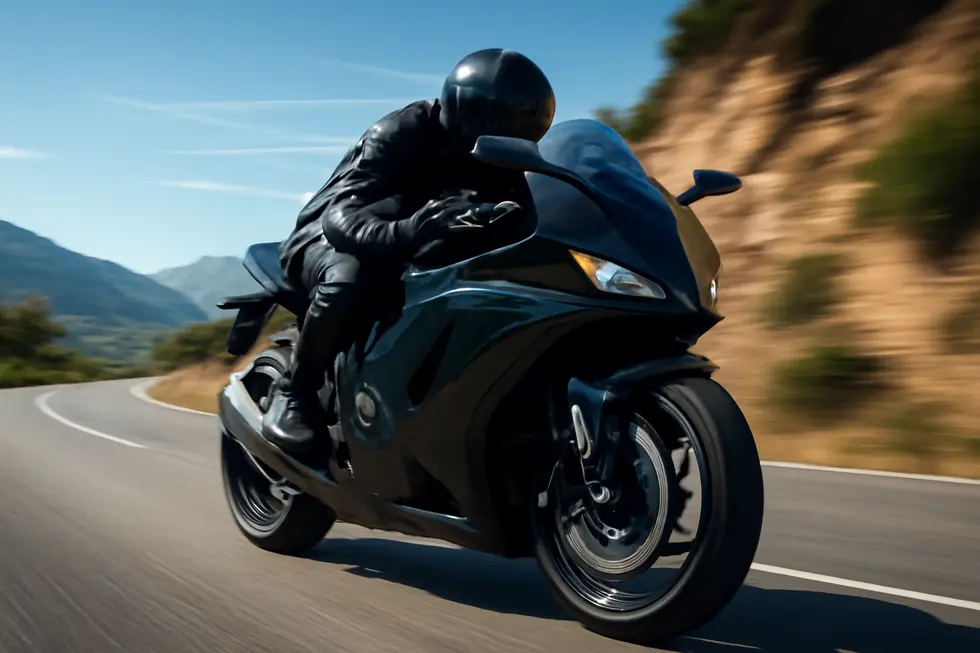
Motorcycle fairing mirrors offer an essential blend of aerodynamic performance and aesthetic appeal, making them a key component in modern motorcycle design and aftermarket upgrades. For business owners operating in the motorcycle industry—whether in retail, manufacturing, or customization—understanding these mirrors’ diverse types and features, safety aspects, installation requirements, and aerodynamic advantages is crucial. Each chapter in this guide unravels the complexities related to fairing mirrors: from identifying the right styles and innovative product options, to critical safety considerations that can influence customer satisfaction and compliance. Additionally, insights on installation compatibility and the aerodynamic design benefits provide a comprehensive foundation that supports better inventory decisions, marketing strategies, and customer consults, ultimately driving business growth and enhanced rider experiences.
Tables of Contents
Chapter 1: Types and Features of Motorcycle Fairing Mirrors
- Seamless Integration and Performance: Exploring Key Designs and Visibility Enhancements in Motorcycle Fairing Mirrors
- Cutting-Edge Advances in Motorcycle Fairing Mirrors: Aerodynamic Enhancements and Integrated Electronics
- Balancing Safety, Style, and Cost: The Broader Impact of Motorcycle Fairing Mirror Choices
Chapter 2: Safety and Functionality Considerations for Motorcycle Fairing Mirrors
- Optimizing Rider Awareness: Visibility Enhancements and Safety Features in Motorcycle Fairing Mirrors
- Balancing Material Strength and Aerodynamic Precision to Enhance Motorcycle Fairing Mirror Safety
- Ensuring Compliance and Enhancing Rider Safety with Adaptive Features in Motorcycle Fairing Mirrors
Chapter 3: Aftermarket Options and Innovations in Motorcycle Fairing Mirrors
- Cutting-Edge Aerodynamics, Vibration Control, and Integrated Safety in Aftermarket Fairing Mirrors
- Market Forces and Customization Trends Shaping Innovation in Motorcycle Fairing Mirrors
- Global Influences Shaping Safety, Climate Adaptation, and Design in Aftermarket Fairing Mirrors
Chapter 4: Installation and Compatibility of Motorcycle Fairing Mirrors
- Precision Fit: The Critical Role of Vehicle-Specific Adapters in Motorcycle Fairing Mirror Installation
- Adaptive Mounting and Versatile Installation: Enhancing Compatibility for Motorcycle Fairing Mirrors
- Ensuring Safety and Optimal Visibility Through Expert Installation, Adjustment, and Maintenance
Chapter 5: Aerodynamic Benefits and Design Aspects of Motorcycle Fairing Mirrors
- Streamlined Stability: How Advanced Fairing Mirrors Reduce Drag and Enhance Control
- Innovative Aerodynamic Designs Enhancing Stability and Downforce in Motorcycle Fairing Mirrors
- Harmonizing Safety, Style, and Performance: Essential Design Principles of Motorcycle Fairing Mirrors
Chapter 1: Types and Features of Motorcycle Fairing Mirrors
1. Seamless Integration and Performance: Exploring Key Designs and Visibility Enhancements in Motorcycle Fairing Mirrors
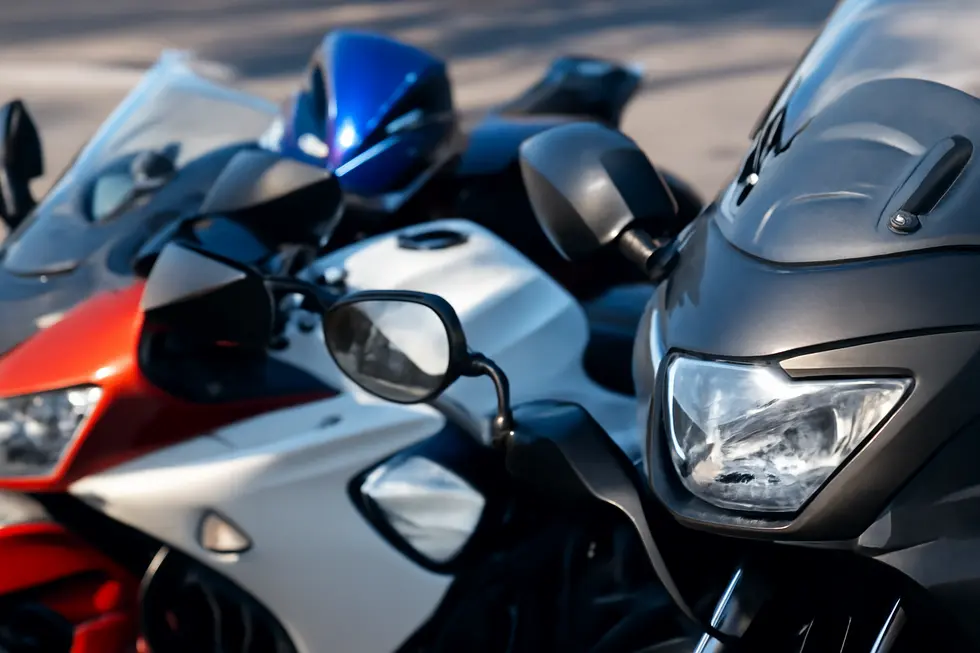
Motorcycle fairing mirrors are meticulously engineered to merge seamlessly with the bike’s aerodynamic shell, elevating both style and function. Among the most distinctive designs are aerodynamic spoiler mirrors, which not only minimize drag but also generate downforce to stabilize the bike at high speeds. This innovative approach reduces front-end lift, enhancing handling precision and rider confidence, especially on sportbikes that demand superior performance.
Bar-end mirrors provide a contrasting yet complementary solution by mounting at the handlebar tips. Their flexible ball-and-socket joints afford extensive adjustability while dampening vibrations, crucial for maintaining clear rearward vision during aggressive riding or uneven terrain. Their wide field of view makes them popular for riders seeking enhanced situational awareness without compromising the fairing’s sleek profile.
Adjustable and folding mirrors blend practicality with safety. Riders can tailor mirror angles to optimize rear visibility, ensuring a partial view of their shoulders to reduce blind spots effectively. Folding capabilities offer protection in tight parking spaces or on the track, preventing damage while maintaining aerodynamic form.
Materials like anodized billet aluminum balance durability with refined aesthetics—these robust constructions resist corrosion and absorb shocks, preserving mirror integrity under various conditions. Additionally, convex glass options expand visibility further, helping riders better monitor adjacent lanes.
Overall, these mirror types demonstrate a sophisticated balance between aerodynamic efficiency, rider visibility, and design harmony. Such features collectively advance motorcycle safety and performance, showcasing thoughtful integration within the fairing’s contours. For those interested in deepening their understanding, exploring the wide selection of motorcycle fairings reveals how mirrors complement broader aerodynamic strategies.
2. Cutting-Edge Advances in Motorcycle Fairing Mirrors: Aerodynamic Enhancements and Integrated Electronics
Motorcycle fairing mirrors have undergone a remarkable evolution driven by advanced aerodynamic design and smart electronics integration. Modern aerodynamic spoilers embedded in mirror assemblies serve more than an aesthetic purpose; they actively enhance stability and handling. These spoilers generate measurable downforce at high speeds, counteracting lift and reducing steering oscillations, which translates to increased confidence during aggressive riding. The mirror surfaces are often seamlessly integrated into these aerodynamic elements with easy adjustability, marrying function and form for a refined riding experience.
Parallel to aerodynamic innovations, integrated electronics have become a defining feature in contemporary fairing mirrors. LED turn signals embedded within mirror housings significantly improve rider visibility to others, especially during lane changes or in low-light conditions. These lighting systems are crafted to withstand varied weather while maintaining clean styling. Additionally, enhanced adjustability and durable construction accommodate rider preferences and ensure longevity.
Customizability is another modern hallmark, with multi-positional mounting systems allowing mirrors to be adjusted above or below handlebars, enhancing rearward visibility regardless of individual riding posture. This flexibility supports diverse motorcycle styles and rider needs without compromising sleekness or aerodynamic efficiency.
Together, these technologies showcase how motorcycle fairing mirrors have transcended basic rearview functions to become integral contributors to both safety and performance. For riders seeking options that blend innovative design with practical benefits, exploring dedicated sources for motorcycle fairings and mirrors can provide tailored solutions matched to specific bike models and rider requirements.
3. Balancing Safety, Style, and Cost: The Broader Impact of Motorcycle Fairing Mirror Choices
Selecting the right type of motorcycle fairing mirror extends beyond mere aesthetics, impacting rider safety, economic considerations, and societal perceptions. Mirrors integrated into the fairing or mounted at the handlebar ends enhance rear visibility while minimizing wind resistance and damage risks, both crucial for accident prevention. Features such as adjustable stems and vibration reduction optimize rider comfort and clarity, directly influencing reaction times and confidence on the road.
Economically, investing in durable, precision-engineered mirrors may entail higher upfront costs but can reduce maintenance frequency and potential insurance premiums linked to safer riding practices. This trade-off shapes a niche aftermarket industry driven by riders’ preference for both performance and personal style, fueling economic growth within motorcycle accessory sectors.
Societally, improved mirror designs contribute to enhanced traffic safety by reducing blind spots and increasing signaling visibility, fostering a safer environment for all road users. Moreover, mirror styles play a role in motorcycle culture and identity, influencing public attitudes and policymaking related to rider safety and urban traffic management.
When choosing fairing mirrors, riders must weigh features like wide adjustability, vibration control, and integrated turn signals alongside compatibility with their motorcycle’s design and riding habits. Balancing these factors ensures optimized performance without compromising safety or budget considerations. For deeper insights into tailored motorcycle components, exploring specialized sources such as Summit Fairings’ blog offers extensive guidance on integrating style and function.
Ultimately, thoughtful mirror selection acts as a catalyst for safer riding experiences while supporting the broader economic and cultural ecosystem surrounding motorcycles.
Chapter 2: Safety and Functionality Considerations for Motorcycle Fairing Mirrors
1. Optimizing Rider Awareness: Visibility Enhancements and Safety Features in Motorcycle Fairing Mirrors
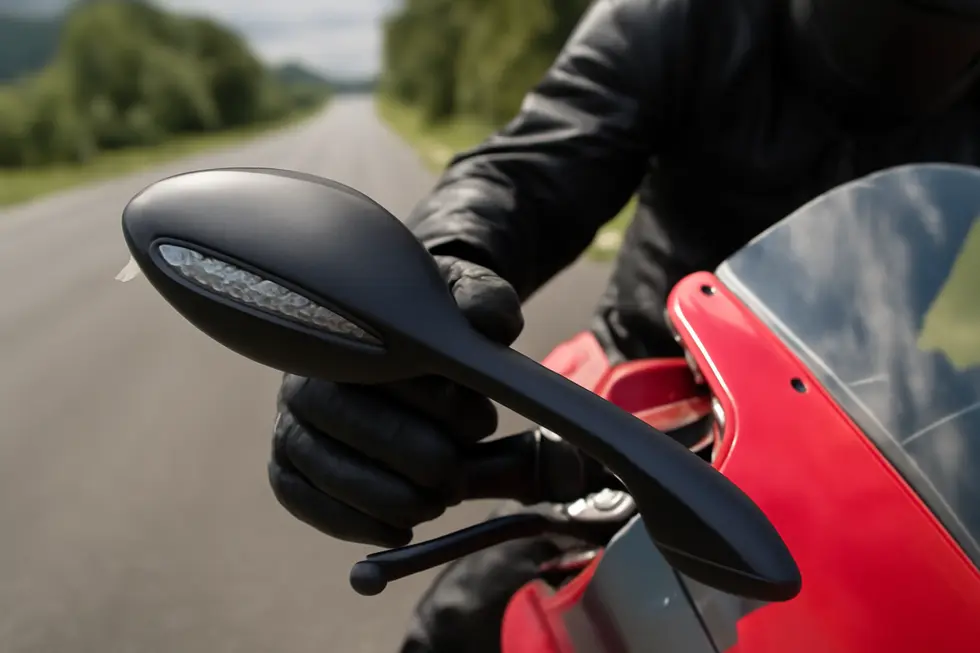
Motorcycle fairing mirrors play a critical role in rider safety by combining innovative design with advanced materials to maximize rearward and side visibility. Unlike traditional mirrors, these integrate wide-angle convex glass that significantly broadens the field of view, helping riders detect vehicles lurking in blind spots. This expanded perspective allows for quicker, more confident maneuvers, especially in congested or high-speed environments. To maintain clarity under varying light conditions, high-quality fairing mirrors often include anti-glare and UV protection coatings. These coatings reduce the harsh glare from oncoming headlights or bright sunlight, preserving sharp visual contrast and preventing mirror yellowing over time.
Integrated LED turn signals embedded within some fairing mirrors further enhance motorcycle visibility, making rider intentions unmistakable to surrounding traffic during lane changes and turns. This combination of signaling and reflective functions improves communication on the road, reducing accident risks. Additionally, the adjustable and folding designs provide vital flexibility: riders can customize mirror angles for optimal coverage of rear traffic while also protecting mirrors by folding them in tight parking situations.
The durability of these mirrors comes from precision engineering using materials like CNC-machined aluminum and impact-resistant polymers. These not only withstand vibrations and minor impacts but also help maintain stable, clear images without distortion. Proper mirror adjustment remains essential; positioning them so the rider’s shoulders appear partially in view maximizes traffic visibility while minimizing overlap and blind spots.
Together, these visibility and safety enhancements form a sophisticated system that elevates rider situational awareness. A rider well-equipped with such mirrors benefits from clearer traffic insight and improved signaling capabilities—both key factors in accident prevention. For riders seeking to explore a wide range of mirror designs and features suited for fully-faired motorcycles, comprehensive guides like the one at Explore the Best Motorcycle Fairings at Summit Fairings offer valuable insights and options.
2. Balancing Material Strength and Aerodynamic Precision to Enhance Motorcycle Fairing Mirror Safety
The reliability of motorcycle fairing mirrors fundamentally depends on their material durability and aerodynamic design, both of which directly influence rider safety and mirror functionality. Selecting high-grade materials, such as anodized aluminum, ensures mirrors possess the necessary strength and lightweight characteristics to endure constant exposure to environmental elements without compromising structural integrity. This toughness helps mirrors resist impacts and vibrations encountered during varied riding conditions, while maintaining stable positioning for a clear rearward view.
Equally critical is the aerodynamic shaping of these mirrors. Streamlined contours minimize wind resistance and mitigate vibrations that can blur mirror reflections. By reducing drag, aerodynamic mirrors contribute to overall riding comfort and stability, especially at higher speeds. Designs that integrate sleek mirror heads and housing carefully aligned to the bike’s airflow prevent turbulence around windscreens and radiators, ensuring safety is not compromised by airflow disturbances.
Furthermore, practical features such as adjustable mounts and vibration-damping mechanisms complement material and design choices by allowing riders to fine-tune mirror angles for optimal visibility while maintaining clarity through the reduction of shake. Additional innovations like heating elements address visibility under adverse weather, preventing fogging or ice buildup and allowing safer riding in colder climates.
The delicate union of durable materials and aerodynamic efficiency forms the backbone of fairing mirror safety and effectiveness. Riders benefit from mirrors engineered to protect against wear and environmental challenges while enhancing visibility and handling comfort. For those seeking reliable, well-crafted options, exploring products and insights through specialized motorcycle fairing resources can deepen understanding of these critical design factors and elevate riding safety.
3. Ensuring Compliance and Enhancing Rider Safety with Adaptive Features in Motorcycle Fairing Mirrors
Motorcycle fairing mirrors must meet stringent regulatory standards to ensure both safety and optimal functionality on the road. These standards emphasize the mirror’s shape, positioning, and physical resilience. A convex reflecting surface is mandatory, as it significantly broadens the rider’s rearward field of view, greatly reducing blind spots. Proper placement requires that the mirror’s reflective center be offset at least 280mm from the bike’s centerline when handlebars are straight, guaranteeing sufficient lateral visibility for monitoring adjacent lanes effectively. Adjustable mirrors are crucial, enabling riders of varying heights and postures to fine-tune sightlines without leaving their seated position.
Mirrors extending beyond 100mm from the motorcycle’s edge must feature a knock-back, or folding, mechanism. This safety design prevents mirror breakage and limits injury risk during accidental impacts by allowing the mirror to pivot inwards. Additionally, protective housings with smooth, rounded edges reduce potential harm upon contact in crashes or falls, showcasing a balance between durability and rider protection.
Adaptive features further refine mirror performance and longevity. Durable coatings on reflective glass combat UV damage, while corrosion-resistant treatments on metal parts defend against water, salt, and environmental wear. These enhancements support clear visibility and structural integrity across seasons and climates. Installation considerations ensure mirrors fit securely without altering the motorcycle’s aerodynamic profile or aesthetic appeal, especially important when integrating aftermarket components that comply with original mounting points.
Routine maintenance is essential—regular checks help identify scratches or damage, preserving safety and mirror reliability. In colder regions, applying anti-frost treatments maintains visibility. For riders interested in exploring their options, resources like the comprehensive guidance found in the Explore the Best Motorcycle Fairings at Summit Fairings blog offer insights into quality parts that align with these safety principles.
Together, regulatory compliance and adaptive innovations create motorcycle fairing mirrors that protect, perform, and endure, integral to safe riding experiences.
Chapter 3: Aftermarket Options and Innovations in Motorcycle Fairing Mirrors

1. Cutting-Edge Aerodynamics, Vibration Control, and Integrated Safety in Aftermarket Fairing Mirrors
The evolution of aftermarket motorcycle fairing mirrors places strong emphasis on aerodynamic refinement, vibration mitigation, and integrated technological features that elevate both safety and rider experience. These mirrors are engineered to blend smoothly with motorcycle fairings, minimizing drag by presenting streamlined profiles that reduce wind resistance and turbulence. This aerodynamic approach not only enhances performance at higher speeds but also stabilizes mirror positioning, preventing wobble caused by airflow disturbances.
To address the challenge of vibration, which can blur rearward vision and compromise safety, modern designs employ precision-engineered joints and materials like anodized aluminum to absorb shocks. Innovations such as ball-and-socket mechanisms allow mirrors to flexibly counteract engine and road vibrations. This results in clearer, steadier reflections that improve rider awareness and reduce fatigue caused by constantly trying to refocus shifting images.
Beyond these physical improvements, many aftermarket fairing mirrors now incorporate integrated LED turn signals, boosting visibility for other drivers when signaling lane changes or turns. Additionally, advances in optical technology include high-definition, aspherical glass surfaces that enhance image clarity and minimize distortion. Adjustable mounting systems further contribute by allowing riders to customize mirror angles precisely for their posture and riding conditions.
These combined enhancements underscore how aftermarket fairing mirrors now embrace multifunctionality, balancing aerodynamic efficiency and vibration control with active safety features. This integrated approach not only sharpens visual feedback but also complements the overall motorcycle dynamics. Enthusiasts seeking to upgrade their bikes will find these advancements crucial for optimizing both form and function.
For riders interested in exploring premium fairing options that harmonize with advanced mirror technologies, a valuable resource can be found at Explore Summit Fairings: Your Go-To Destination for Motorcycle Fairings.
2. Market Forces and Customization Trends Shaping Innovation in Motorcycle Fairing Mirrors
The aftermarket landscape for motorcycle fairing mirrors reflects a vibrant interplay between rider preferences, brand competition, and technological progress. Economic dynamics have spurred a surge in demand as motorcyclists increasingly seek personalized mirrors that combine style with enhanced functionality. This desire for customization encourages manufacturers to develop products that not only improve visibility and safety but also accentuate the bike’s aesthetics through varied finishes, compact designs, and advanced features like integrated turn signals.
Established brands lead the market by offering diverse solutions ranging from sleek bar-end models to innovative winglet-style mirrors inspired by racing technology. The proliferation of online retail channels lowers entry barriers, empowering smaller brands to compete and innovate while granting riders access to a broad array of choices worldwide. This digital evolution also reinforces consumer confidence through detailed product information, installation guides, and user reviews.
Customization trends favor features such as vibration reduction, wide-angle convex glass, and modular designs that simplify installation on popular motorcycles. While sportbike riders gravitate toward aerodynamic, minimalist mirror styles, cruiser enthusiasts often seek classic aesthetics paired with modern functionality. Retail approaches increasingly blend e-commerce convenience with dealer support, ensuring availability and technical assistance.
Future innovations are likely to embrace smart technologies, eco-friendly materials, and enhanced safety integrations that respond directly to rider feedback. This dynamic ecosystem fosters continuous development, ensuring aftermarket fairing mirrors remain a focal point for riders aiming to merge performance with personal expression.
For riders exploring extensive fairing options and accessories, discover affordable motorcycle fairings at Summit Fairings offers insights into complementary customization opportunities.
3. Global Influences Shaping Safety, Climate Adaptation, and Design in Aftermarket Fairing Mirrors
Motorcycle fairing mirrors reflect a complex interplay of societal demands, geopolitical factors, and environmental challenges that influence their aftermarket development. Rider safety leads this evolution, with innovations targeting enhanced visibility through distortion-free, high-definition glass and adjustable mounting systems tailored for diverse riding postures. Beyond clarity, vibration reduction mechanisms have gained prominence, stabilizing reflections at high speeds and on uneven terrain to improve situational awareness and accident prevention.
Simultaneously, climate variations worldwide drive materials and design adaptations in these mirrors. Resistant finishes like anodized aluminum combat corrosion in humid or coastal regions, while compact, adjustable stems help shield mirrors from wind and water accumulation. These features extend durability and usability, ensuring consistent performance across vastly different weather conditions.
Geopolitical landscapes further mold mirror design, as regional regulations mandate compliance with safety standards that often dictate mirror dimensions, reflectivity, and integrated signaling features. European markets emphasize certified, compact solutions striking a balance between aerodynamic efficiency and legal approval. Meanwhile, aesthetic preferences in North America and Asia push manufacturers to fuse sleek sportbike styling with functional enhancements.
This nexus of safety, climate resilience, and geographic regulation fosters a dynamic global market where aftermarket fairing mirrors continuously evolve. These mirrors simultaneously uphold rider protection, adapt to environmental demands, and respect cultural and legal frameworks. Understanding these influences reveals how innovations meet the complex needs of motorcycle riders worldwide, blending performance, safety, and style.
For those interested in exploring the wide selection of fairing mirrors and related components, discovering affordable and quality aftermarket options can begin by visiting this source for motorcycle fairings.
Chapter 4: Installation and Compatibility of Motorcycle Fairing Mirrors

1. Precision Fit: The Critical Role of Vehicle-Specific Adapters in Motorcycle Fairing Mirror Installation
Precision Fit: The Critical Role of Vehicle-Specific Adapters in Motorcycle Fairing Mirror Installation
Vehicle-specific adapters are essential components that bridge the gap between aftermarket motorcycle fairing mirrors and original equipment manufacturer (OEM) mounting points. These adapters are meticulously engineered to match the exact dimensions, threading, and shapes of a particular motorcycle model’s mirror mounts. Such precision ensures a seamless, secure installation that preserves the integrity of the bike’s fairing and eliminates the need for modifications.
Unlike universal adapters, which attempt to accommodate a broad array of handlebar sizes or bar ends, vehicle-specific adapters are tailor-made for particular models. This specialization is vital because fairing mirrors typically attach directly on the fairing’s mirror posts rather than the handlebars. When the adapter precisely aligns with the OEM mounting point, it prevents issues such as instability, excessive vibration, or the need for potentially damaging alterations.
For riders upgrading or replacing mirrors, understanding compatibility is crucial. A vehicle-specific adapter guarantees the mirror will fit correctly, maintain the clean aerodynamic profile of the fairing, and ensure optimal rear visibility without compromising safety. It also preserves the original mounting hardware, which supports the mirror’s stability at various speeds and conditions.
While universal options exist, they may require additional kits or adjustments, which can complicate installation or detract from the bike’s aesthetics. Choosing the right adapter safeguards against these pitfalls by delivering a direct, robust fit. This directly impacts rider confidence and overall mirror performance, making vehicle-specific adapters the cornerstone of successful fairing mirror upgrades.
For more insights into compatible parts and installation tips, see our guide on explore the best motorcycle fairings at Summit Fairings.
2. Adaptive Mounting and Versatile Installation: Enhancing Compatibility for Motorcycle Fairing Mirrors
Achieving seamless installation and broad compatibility with motorcycle fairing mirrors hinges on adaptive mounting solutions designed to suit diverse bike models and rider preferences. Universal mounting kits feature adjustable clamps and modular brackets that enable precise attachment to various fairing structures and handlebar types. This adaptability empowers riders to select from a wider range of mirror designs without sacrificing fit or safety, accommodating differences in fairing thickness, curvature, and mounting point placement.
The flexibility these systems provide extends beyond fitment. Mirrors often incorporate multi-axis joints and ball mounts, allowing riders to adjust viewing angles accurately to match their unique riding posture. This fine-tuning enhances rearward visibility by minimizing blind spots and improving comfort, especially during long rides or urban navigation. Such adjustability also helps to isolate and reduce vibrations that might otherwise distort reflections at high speeds or over uneven surfaces.
Compatibility considerations further influence the installation process. While some aftermarket mirrors cater to specific motorcycle brands or models, many are engineered with universal mounts adaptable to sportbikes, cruisers, and touring machines. Ensuring that the selected mirror aligns with mounting hardware, bodywork contours, and factory fixings is critical for secure installation and optimal function. This prevents potential hazards caused by loose fittings or improper angles on the road.
By leveraging these adaptive mounting technologies and flexible installation features, riders can upgrade or replace fairing mirrors with confidence, effectively balancing style, safety, and performance. For an extensive selection of compatible parts and mounting solutions, exploring specialized sources focused on motorcycle fairings can provide valuable options tailored to your bike’s requirements.
3. Ensuring Safety and Optimal Visibility Through Expert Installation, Adjustment, and Maintenance
Proper installation and ongoing maintenance of motorcycle fairing mirrors are critical for rider safety and mirror longevity. To begin, mirrors and all fairing panels should initially be loosely fitted to allow precise alignment. Tightening bolts prematurely can induce stress and cause misalignment, compromising both visibility and structural integrity. Using manufacturer-approved mounting kits and brackets ensures the mirrors fit securely and are compatible with the bike’s specific fairing and model, preventing instability during rides.
Adjustment plays a key role in maximizing rearward visibility and reducing blind spots. Mirrors should be positioned so the rider’s shoulders appear only partially in the reflection, expanding the field of view without redundant overlaps. Riders must complement mirror use with frequent shoulder checks, ideally every five seconds, to maintain comprehensive situational awareness. Modern mirrors often incorporate folding and locking features to prevent accidental repositioning from vibrations or contact, enhancing consistent visibility.
Regular maintenance cannot be overlooked. Vibrations and weather conditions may loosen hardware or cause corrosion, so routine inspection and torque-tightening to manufacturer specifications are vital to avoid mirror movement that could jeopardize safety. Cleaning mirrors with soft cloths and appropriate cleaners preserves clarity without scratching, while in cold climates, heated mirrors or defogging accessorie