















Introduction
Aftermarket motorcycle fairing kits represent a dynamic business opportunity, combining functionality with style to cater to enthusiasts and professionals alike. These kits, made primarily from durable materials, provide an avenue to enhance motorcycle aesthetics while boosting performance and protection. Business owners seeking to expand their product lines or improve service offerings will find immense value in understanding the material composition and durability, fitment accuracy across major brands, installation intricacies, customization possibilities, and the protective and aerodynamic benefits fairing kits deliver. Each chapter of this guide unpacks these core elements, equipping business leaders with the insights necessary to cater effectively to their customers and differentiate in a competitive marketplace.
Tables of Contents
Chapter 1: Material Composition and Durability of Aftermarket Motorcycle Fairing Kits
- The Strength of ABS Plastic: Core Material Benefits for Aftermarket Motorcycle Fairings
- Fiberglass Fairings: Balancing Lightweight Performance and Custom Durability in Racing Kits
- Harnessing Carbon Fiber’s Superior Strength-to-Weight Advantage in Aftermarket Motorcycle Fairings
- How Manufacturing and Finishing Techniques Shape the Durability and Look of Aftermarket Motorcycle Fairings
- Ensuring Longevity: Expert Maintenance and Installation Techniques for Durable Aftermarket Fairings
Chapter 2: Precision Engineering and Cross-Brand Fitment of Aftermarket Motorcycle Fairing Kits
- Integrating Design Innovation and Compatibility Challenges in Aftermarket Motorcycle Fairing Kits
- How Economic Factors Shape Fitment and Compatibility in Aftermarket Motorcycle Fairing Kits
- How Global Trade and Regional Regulations Shape Aftermarket Fairing Fitment Across Brands
- Cultural Influences Shaping Fitment and Brand-Specific Design of Aftermarket Motorcycle Fairings
- Navigating Design Complexities to Achieve Flawless Fitment and Compatibility in Aftermarket Motorcycle Fairings
Chapter 3: Installation Process and Technical Aspects of Aftermarket Motorcycle Fairing Kits
- Precision Bracket Installation: Ensuring Secure Fit and Optimal Alignment in Aftermarket Motorcycle Fairing Kits
- Essential Protection and Support Strategies for Securing Aftermarket Motorcycle Fairings
- Navigating Component Fitment and Integration Challenges in Aftermarket Fairing Installations
- Mastering Custom Fitment: Key Techniques for Tailored Installation of Aftermarket Motorcycle Fairings
- Streamlined Removal and Precision Fitting: Key Steps to Installing Aftermarket Motorcycle Fairing Kits
Chapter 4: Customization and Aesthetic Options for Aftermarket Motorcycle Fairing Kits
- Enhancing Style and Durability Through Material Choices and Finishes
- Dynamic Color and Graphic Styling: Elevating Visual Impact in Aftermarket Fairings
- Ensuring Perfect Fit and Seamless Installation for Customized Motorcycle Fairings
- Elevating Performance and Style: Functional and Visual Upgrades in Aftermarket Motorcycle Fairings
- Precision Fit and Personalized Style: Model-Specific Customization of Aftermarket Motorcycle Fairings
Chapter 5: Performance Benefits and Protective Functions of Aftermarket Motorcycle Fairing Kits
- Streamlining Speed and Stability: Aerodynamic Advantages of Aftermarket Fairing Kits
- Shielding Your Ride: How Aftermarket Fairings Guard Against Impact, Weather, and Drag
- How Material Quality and Durability Drive Performance Enhancements and Protection in Aftermarket Motorcycle Fairings
- How Custom Fit and Rider Comfort Drive the Performance of Aftermarket Fairing Kits
- Mastering Installation Techniques to Unlock Ultimate Aerodynamics and Protection with Aftermarket Fairings
Chapter 1: Material Composition and Durability of Aftermarket Motorcycle Fairing Kits
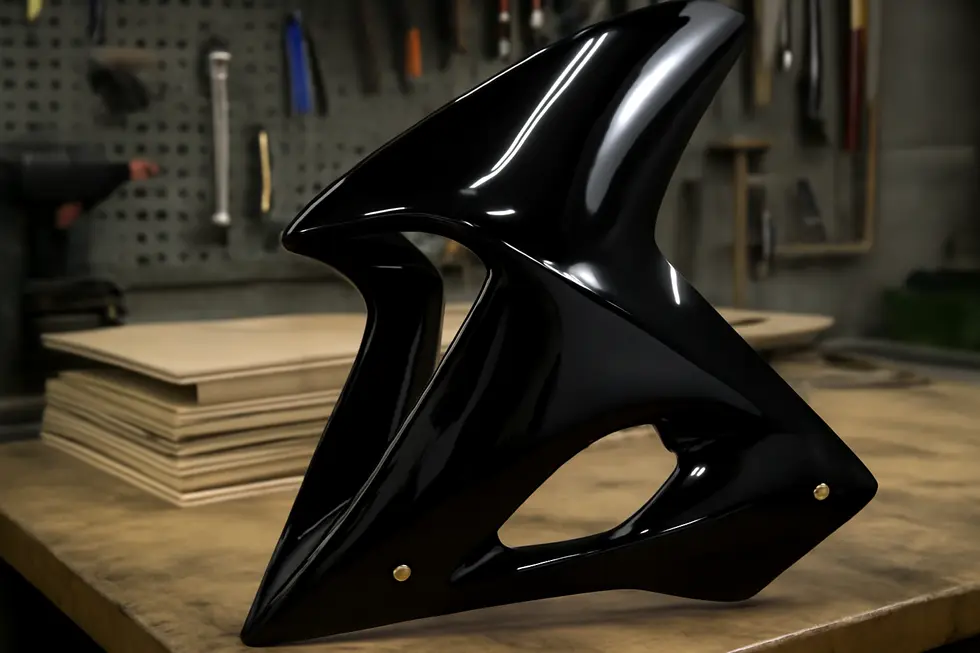
1. The Strength of ABS Plastic: Core Material Benefits for Aftermarket Motorcycle Fairings
Aftermarket motorcycle fairing kits predominantly use ABS plastic for its exceptional balance of strength, weight, and durability. ABS (Acrylonitrile Butadiene Styrene) resists impacts better than many plastics, absorbing shocks and preventing cracks during minor incidents. Its durability extends to resisting UV damage, moisture, and common environmental factors, making it ideal for long-term exposure on road bikes. Compared to fiberglass or carbon fiber, ABS is lighter and more cost-effective, helping maintain motorcycle performance without a high price tag. Additionally, its moldability allows for smooth, aerodynamic shapes tailored to specific models, enhancing both appearance and function. These qualities make ABS the preferred choice for reliable, budget-friendly fairing upgrades. For deeper insights into various fairing options, see affordable motorcycle fairings at Summit Fairings. More detailed product options can be explored at Kings Motorcycle Fairings (https://www.kingsmotorcyclefairings.com/blogs/news).
2. Fiberglass Fairings: Balancing Lightweight Performance and Custom Durability in Racing Kits
Fiberglass is a favored material in aftermarket motorcycle fairing kits where lightweight performance and customizability are crucial. Its composite structure—glass fibers in a resin matrix—offers an ideal balance between strength and flexibility. Fiberglass fairings are lighter than metals and provide aerodynamic efficiency that benefits race and custom motorcycles. While more brittle than ABS plastic, they resist general wear and can be easily shaped or repaired, making them popular for personalized designs and team branding. Compared to premium carbon fiber kits, fiberglass offers moderate cost and sufficient durability, making it a practical choice for high-performance upgrades. Custom kits frequently include tailored fairings, belly pans, and tail sections designed to enhance speed and handling. The advantage of fiberglass lies in its ability to marry weight savings with reasonable toughness, especially for riders prioritizing aerodynamic form without premium carbon fiber expense. For a deeper look at options in motorcycle fairings, explore affordable motorcycle fairings at Summit Fairings. Detailed product insights are also available from race-focused fiberglass body kit overviews.
3. Harnessing Carbon Fiber’s Superior Strength-to-Weight Advantage in Aftermarket Motorcycle Fairings
Aftermarket motorcycle fairing kits employ diverse materials to balance durability, weight, and cost, with carbon fiber offering unmatched benefits. This material reduces overall motorcycle weight by 20–30%, significantly enhancing acceleration, handling, and fuel economy. Its excellent tensile strength and impact resistance ensure the fairings withstand stress and road hazards better than ABS plastic and fiberglass. Unlike heavier materials, carbon fiber allows precise molding, which improves aerodynamics through tighter fits and reduced drag. Though premium-priced due to complex manufacturing, carbon fiber fairings combine performance and aesthetics, appealing to riders seeking advanced durability without compromising agility. This makes carbon fiber an ideal choice for high-performance kits where longevity and lightweight construction are priorities. For more insights on fairing options and materials, visit Explore the Best Motorcycle Fairings at Summit Fairings.
Additional details on carbon fiber’s role and other materials can be found at Kings Motorcycle Fairings’ blog: https://www.kingsmotorcyclefairings.com/blogs/news
4. How Manufacturing and Finishing Techniques Shape the Durability and Look of Aftermarket Motorcycle Fairings
Aftermarket motorcycle fairing kits rely heavily on material choice and manufacturing precision to achieve lasting durability and striking aesthetics. ABS plastic, fiberglass, and carbon fiber each bring unique strengths: ABS offers cost-effective impact resistance, fiberglass allows flexible customization with strong yet light panels, and carbon fiber delivers top-tier performance through exceptional strength-to-weight benefits. The manufacturing process, particularly multi-step paint applications on ABS kits, enhances color richness and UV protection, while fiberglass and carbon fiber kits emphasize protective clear coats that highlight texture and resist wear. Finishing options range from glossy to matte, balancing visual appeal with maintenance demands. Precise fitment, akin to OEM standards, minimizes stress points, reducing the likelihood of cracks or premature wear during rides. Applying waxing and UV blockers further extends fairing life by guarding against sun damage and environmental factors. Together, these elements determine how well a fairing withstands both time and the road, making manufacturing quality and finishing just as vital as material choice. For more insights on fairing options and finishes, explore affordable motorcycle fairings at Summit Fairings. Detailed product examples and painting techniques can be found at Kings Motorcycle Fairings.
5. Ensuring Longevity: Expert Maintenance and Installation Techniques for Durable Aftermarket Fairings
Aftermarket motorcycle fairing kits typically use high-quality ABS or polypropylene plastics, with some opting for fiberglass to boost durability. ABS plastic stands out for its impact resistance and paint adhesion, while polypropylene offers lightweight toughness ideal for off-road models. Fiberglass requires priming and gel coating to enhance durability and simplify upkeep. To maximize lifespan, protecting fairings from UV damage by parking in shade or using covers is essential, alongside gentle cleaning with mild soaps and soft cloths to avoid surface damage. Applying motorcycle-safe waxes or UV protectants regularly helps maintain gloss and color depth. Proper installation is equally critical: selecting model-specific kits ensures precise fitment, and while basic plastic kits can often be self-installed, fiberglass fairings benefit from professional application for primer and gel coat. Thoughtful care combined with accurate installation preserves both the structural integrity and aesthetic appeal of aftermarket fairings. For deeper insights on fairing options and maintenance, visit your ultimate source for affordable motorcycle fairings.
More details on materials and care can be found at Kings Motorcycle Fairings.
Chapter 2: Precision Engineering and Cross-Brand Fitment of Aftermarket Motorcycle Fairing Kits

1. Integrating Design Innovation and Compatibility Challenges in Aftermarket Motorcycle Fairing Kits
Achieving flawless fitment of aftermarket motorcycle fairing kits across diverse brands demands advanced design and technological precision. Manufacturers employ model-specific engineering that aligns with exact frame geometries, mounting points, and adjacent components to ensure seamless installation. Materials like OEM-grade ABS plastic or carbon fiber strike a balance between durability and lightweight flexibility, critical for maintaining structural integrity and aerodynamic performance. Beyond panels, compatibility of mounting brackets with existing bike accessories can pose challenges; some hardware may conflict with crash bars or require electrical system adaptations to integrate headlights and turn signals properly. Meticulous cutout alignment is essential to preserve functionality and aesthetics, while comprehensive manufacturer support provides installation guidance and compatibility clarification. This intersection of innovation and technical detail enables aftermarket kits to replicate or exceed OEM standards, accommodating brand-specific complexities effectively. Learn more from detailed installation and fitment insights available here. For further exploration of model-specific engineering and material quality, see external reference at Garage Bagger Fairings.
2. How Economic Factors Shape Fitment and Compatibility in Aftermarket Motorcycle Fairing Kits
The economic landscape significantly influences fitment and compatibility of aftermarket motorcycle fairing kits across brands. Unique engineering traits, such as brand-specific frame designs and air-cooled engines, require tailored kit adaptations, driving up production complexity and costs. Popular models benefit from mass production economies, reducing kit prices and improving availability, while niche motorcycles face limited options and higher expenses. Compatibility hurdles—stemming from varied mounting systems and geometry—add to manufacturing and installation costs, underscoring a price-quality tradeoff. Consumers often pay premiums for certified parts ensuring safety and precise fitment. These economic dynamics highlight the balance manufacturers and riders navigate to achieve optimal compatibility without compromising affordability. For further insights on affordable options, see your ultimate source for affordable motorcycle fairings.
More details on brand-specific engineering and market impacts can be found at Kings Motorcycle Fairings blog.
3. How Global Trade and Regional Regulations Shape Aftermarket Fairing Fitment Across Brands
The fitment and compatibility of aftermarket motorcycle fairing kits are deeply influenced by geopolitical factors such as trade policies, regional manufacturing standards, and intellectual property laws. Manufacturing hubs in countries with lower production costs, like China, face tariffs and import restrictions that affect pricing and distribution globally, shaping which brands and models receive optimized kits. Variations in local quality control and material standards—especially for ABS plastics—lead to differences in durability and precision across markets. Additionally, regional model differences driven by homologation laws require manufacturers to adapt designs for specific markets, balancing universal compatibility with exact OEM fits. Intellectual property enforcement varies widely, influencing whether kits are officially licensed or generic, affecting availability and fit accuracy. Political instability or trade disputes can disrupt supply chains, prompting makers to employ broader-fit solutions to maintain availability despite geopolitical risks. These intertwined factors define how aftermarket fairings meet fitment demands worldwide, navigating legal and logistical challenges to cater to diverse motorcycle brands and markets. For further insight into fairing options and fitment nuances, explore comprehensive resources available at Summit Fairings.
More detailed product considerations and manufacturing strategies that respond to these global factors can be found at Kings Motorcycle Fairings.
4. Cultural Influences Shaping Fitment and Brand-Specific Design of Aftermarket Motorcycle Fairings
The fitment and compatibility of aftermarket motorcycle fairing kits are deeply influenced by the cultural identity and societal roles motorcycles hold across regions and brands. Iconic manufacturers embody unique cultural and technological values that directly affect fairing design—Harley-Davidson’s air-cooled engines, for example, define a styling ethos that aftermarket kits must respect to maintain authenticity and fit. Riders’ preferences also reflect cultural expectations, prompting manufacturers to produce brand-specific fairings that mirror each brand’s image rather than adopting universal designs. Additionally, practical regional demands, such as durability for heavy usage in certain areas, guide fairing construction priorities. This blend of cultural attachment and functional necessity ensures fairing kits serve not only as replacements but as extensions of brand identity and rider lifestyle. For further insights on tailored fairing options, explore the wide selection of motorcycle fairings at Summit Fairings. More details on brand-specific design philosophies can be found here.
5. Navigating Design Complexities to Achieve Flawless Fitment and Compatibility in Aftermarket Motorcycle Fairings
Ensuring perfect fitment and compatibility of aftermarket motorcycle fairing kits demands meticulous engineering to accommodate the unique frame geometries and mounting points of each model. Variations in structural layout, from fork tube alignment to turn signal positioning, challenge designers to tailor fairings that integrate seamlessly without compromising mechanical functions. Besides precise measurements, the balance between aerodynamic performance and aesthetic customization is critical, as deviations can affect stability at speed. Material choice and mounting hardware must align with specific bike builds to prevent vibrations or detachments, ensuring rider safety. This intricate process often involves adaptable mounting solutions and rigorous validation, emphasizing that one-size-fits-all does not apply in fairing design. For further insights into tailored fairing solutions, explore the best motorcycle fairings at Summit Fairings. More details on compatible kits are available at Kings Motorcycle Fairings.
Chapter 3: Installation Process and Technical Aspects of Aftermarket Motorcycle Fairing Kits
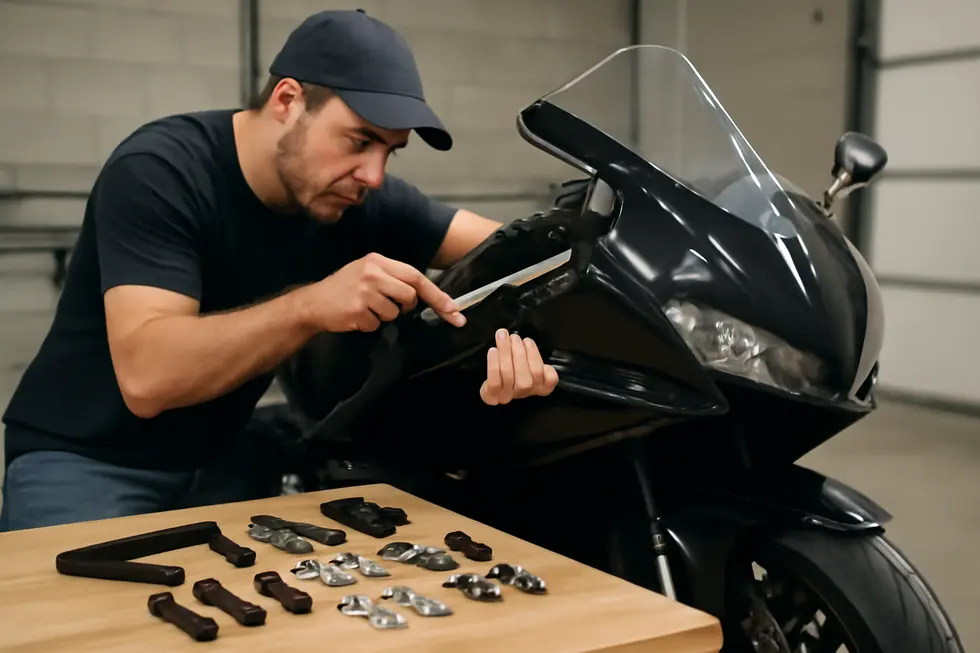
1. Precision Bracket Installation: Ensuring Secure Fit and Optimal Alignment in Aftermarket Motorcycle Fairing Kits
Installing and adjusting mounting brackets is crucial for the seamless fit of aftermarket motorcycle fairing kits. Begin by loosely attaching brackets to the frame to allow positional flexibility. This enables careful alignment of the fairing shell, ensuring it fits snugly without obstructing handlebars, wiring, or controls. Rubber grommets and washers protect the fairing’s plastic or fiberglass from cracking under bolt pressure. Once aligned, fasteners are tightened securely but cautiously to prevent damage. Clearance checks prevent interference during handlebar turns, occasionally requiring minor adjustments or grinding to achieve perfect fit. Tools such as screwdrivers, hex keys, and wrenches are essential, and keeping hardware organized simplifies the process. This meticulous approach not only safeguards the fairing’s integrity but also enhances aerodynamics and rider comfort. For comprehensive installation guidance, detailed walkthroughs such as the ones available at Summit Fairings blog offer valuable insights. Additionally, video tutorials like How Do You Install Motorcycle Fairings? demonstrate bracket fitting techniques that improve both function and aesthetics.
2. Essential Protection and Support Strategies for Securing Aftermarket Motorcycle Fairings
Proper installation of aftermarket motorcycle fairing kits demands meticulous care to protect both the panels and motorcycle components. Starting with thorough cleaning and inspection of mounting points ensures a reliable foundation free from rust or damage. Using the correct tools—such as screwdrivers, Allen wrenches, and thread lockers—prevents scratches and promotes secure fastening. Panels should first be loosely fitted to allow alignment adjustments before final tightening, reducing stress that could cause cracking. Incorporating protective hardware like rubber grommets and washers diminishes vibration and absorbs riding stresses. A stepwise approach, installing front to rear, avoids interference with cables or controls. Post-installation, confirming no obstruction of steering or suspension movement guarantees safety. These careful techniques uphold the durability and performance of the fairing, complemented by adherence to technical standards and routine maintenance. For detailed installation advice, consult the comprehensive GSXR 2006 Fairing Installation Guide. More insights on elegant, durable fairings can be found in the Explore the Best Motorcycle Fairings at Summit Fairings.
3. Navigating Component Fitment and Integration Challenges in Aftermarket Fairing Installations
Integrating aftermarket fairing kits demands meticulous attention to fitment and alignment to address common challenges compared to OEM parts. Variations in mounting points often require loosely installing brackets initially to fine-tune position before final tightening, preventing stress and vibration. Compatibility of mounting hardware is crucial, as universal or model-specific kits may need supplemental brackets to avoid interference with headlights, indicators, or instruments. Material differences, typically ABS plastic or fiberglass, influence mounting approaches due to their distinct flexibility and durability. Electrical integration for embedded lighting involves careful wiring to ensure reliable connections without shorts. Achieving aerodynamic integrity and seamless color matching also requires precise installation and finishing. Avoiding damage to existing wiring and ensuring symmetrical fitting are essential for performance and aesthetics. For detailed guidance on fairing options and best practices, explore this comprehensive motorcycle fairings resource. Purchase and installation support can also be found at specialized suppliers like Kings Motorcycle Fairings (https://www.kingsmotorcyclefairings.com/blogs/news).
4. Mastering Custom Fitment: Key Techniques for Tailored Installation of Aftermarket Motorcycle Fairings
Mastering fitment and customization is crucial when installing aftermarket motorcycle fairing kits. The process begins by loosely mounting brackets to allow precise alignment. Fairings are then positioned using built-in grooves or slots, ensuring a snug fit without interference with steering or suspension. Minor adjustments—such as repositioning the tank or shifting fairings—address fitment challenges caused by manufacturing tolerances or the motorcycle’s original setup. Often, relocating electrical components or adding support plates becomes necessary to enhance stability. Fasteners should be secured with washers or rubber grommets to prevent cracking under stress. Beyond functionality, customization offers riders freedom to personalize with unique paint schemes and decals, enriching the bike’s aesthetics while preserving mechanical integrity. Patience, proper tools, and careful adjustments guarantee a seamless integration, marrying style with performance. For detailed installation techniques and tips, consult this video guide and explore affordable motorcycle fairing options.
5. Streamlined Removal and Precision Fitting: Key Steps to Installing Aftermarket Motorcycle Fairing Kits
The installation of aftermarket motorcycle fairing kits begins with the meticulous removal of existing panels. This step involves carefully detaching bolts, clips, and plastic rivets while disconnecting electrical components like turn signals and headlights to prevent damage. Organizing fasteners and connectors is essential for smooth reassembly. After removal, cleaning and inspecting frame mounting points for rust or damage ensures a solid foundation for new fairings. Proper alignment is crucial; loosely fitting the front, side, and rear panels allows adjustments to avoid stress and cracking. Securing the fairings requires using washers or rubber grommets and sometimes additional supports like rivets. Reattaching integrated parts such as mirrors and air ducts demands attention to functionality and clearance. Careful wiring management and the use of thread locker help maintain durability and fit, culminating in an installation that is both visually seamless and structurally sound. For visual guidance on removal and installation techniques, refer to detailed video tutorials like the CBR600RR fairing removal and installation guide. In-depth tips on achieving a proper fit can also be found in resources such as the Summit Fairings blog.
Chapter 4: Customization and Aesthetic Options for Aftermarket Motorcycle Fairing Kits

1. Enhancing Style and Durability Through Material Choices and Finishes
Aftermarket motorcycle fairing kits offer riders a diverse palette of material and finish options that merge aesthetic appeal with lasting durability. Predominantly crafted from lightweight, impact-resistant ABS plastic or premium carbon fiber, these kits ensure strength without sacrificing ride performance. Finishes range from high-gloss and matte coatings to innovative textured vinyl wraps that add dimension and personality. Customizable graphics, including precision-cut decals for names, numbers, or patterns, allow individual expression while maintaining a flawless surface. These finishes not only elevate style but also protect against UV rays and weather damage. Crucially, precision molding tailored to specific models guarantees a seamless fit, preserving both the material’s integrity and the chosen finish. To explore a wide spectrum of fairing styles and finishes, riders can visit Summit Fairings. For a broader selection and detailed installation insights, resources like Kings Motorcycle Fairings provide invaluable guidance.
2. Dynamic Color and Graphic Styling: Elevating Visual Impact in Aftermarket Fairings
Aftermarket motorcycle fairing kits provide extensive options for color and graphic styling that transform a bike’s appearance while maintaining durability. Utilizing impact-resistant ABS plastic, these kits often feature eye-catching finishes like lightweight faux carbon fiber textures accented with bold red, blue, or white highlights for a race-inspired look. For a more subtle approach, black-on-black honeycomb patterns offer stealth and sophistication. Modern geometric vinyl accents in vibrant hues deliver futuristic aesthetics without the complexity of full wraps. More advanced techniques include chameleon color-shifting wraps that change hues with light and angle, adding dynamic visual appeal. These styling options not only personalize motorcycles but also ensure protection and easy installation. For a deeper dive into versatile designs and installation tips, explore this extensive motorcycle fairings resource. Additional customization possibilities can be found through detailed offerings and customization platforms presented by key aftermarket suppliers.[https://www.kingsmotorcyclefairings.com/blogs/news]
3. Ensuring Perfect Fit and Seamless Installation for Customized Motorcycle Fairings
Successful installation of aftermarket motorcycle fairing kits hinges on precise alignment and secure fitting, which both preserve aesthetics and uphold safe bike functio