













Introduction
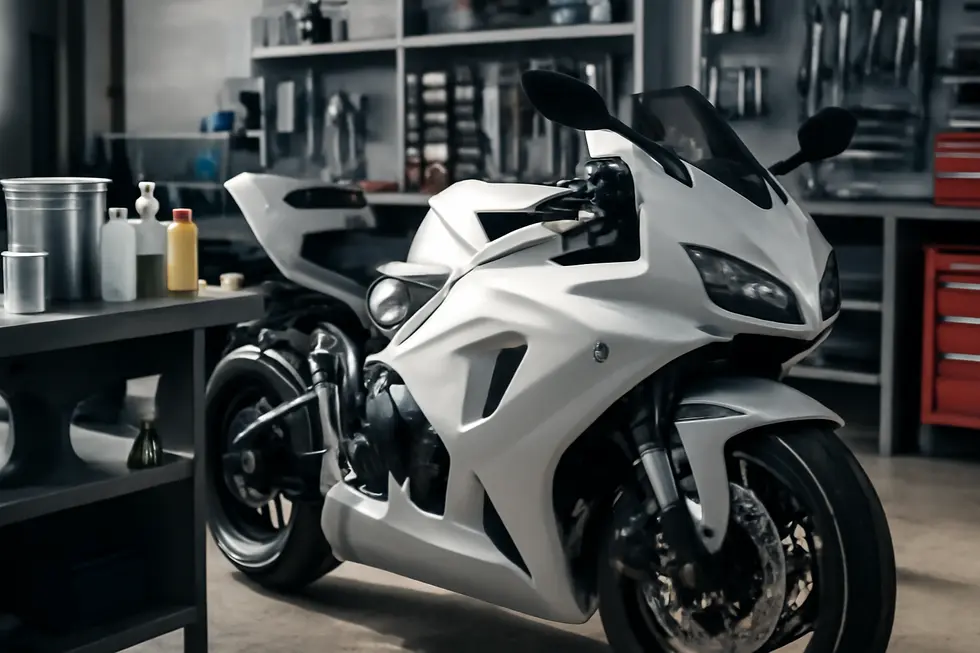
Selecting the ideal paint for motorcycle fairings is crucial for business owners aiming to deliver high-quality products and services that balance durability with striking aesthetics. Motorcycle fairings present specific challenges due to their exposure to weather, UV light, and mechanical stress, requiring paints that ensure longevity and maintain vibrant appearance. This guide unpacks the essential aspects of choosing the best paint options for motorcycle fairings: understanding the types of urethane and high-temperature paints available, exploring finish and aesthetic choices to meet customer demand, evaluating heat resistance and durability factors critical for lasting quality, and detailing the preparation and application process for professional results. Each chapter delivers actionable insights to support businesses in enhancing product quality and customer satisfaction.
Tables of Contents
Chapter 1: Types of Best Paint to Use on Motorcycle Fairings: Urethane and High-Temperature Options
- Exploring Urethane Paints: Durable, Glossy, and Versatile Solutions for Motorcycle Fairings
- Unveiling the Heat-Resistant Qualities of High-Temperature Paints for Motorcycle Fairings
- Durability and Finish Nuances: Balancing Urethane and High-Temperature Paints for Motorcycle Fairings
- Mastering Application Techniques for Durable Urethane and Heat-Resistant Paints on Motorcycle Fairings
- Balancing Durability and Heat Resistance: Choosing Paints for Fairings Near Engine Heat
Chapter 2: Finish and Aesthetic Considerations for Best Paint to Use on Motorcycle Fairings
- Mastering Surface Preparation: The Essential Foundation for Stunning Motorcycle Fairing Finishes
- How Paint Finishes Shape the Visual Style and Character of Motorcycle Fairings
- Enhancing Longevity: Durability and UV Protection for Motorcycle Fairing Finishes
- Ensuring Optimal Material Compatibility and Paint Selection for Lasting Motorcycle Fairing Finishes
- Sustaining Vibrancy: Essential Maintenance for Long-Lasting Motorcycle Fairing Finishes
Chapter 3: Heat Resistance and Durability Factors in the Best Paint to Use on Motorcycle Fairings
- Mastering High-Temperature Resistance: Choosing Paints That Protect and Endure on Motorcycle Fairings
- Ensuring Lasting Protection: Durability and Chemical Resistance in Motorcycle Fairing Paints
- Mastering Surface Preparation and Paint Application for Maximum Durability on Motorcycle Fairings
- Ensuring Lasting Vibrancy: UV Protection and Weather Resistance in Motorcycle Fairing Paints
- Ensuring Longevity: Material Compatibility and Mechanical Durability in Heat-Resistant Paint Systems for Motorcycle Fairings
Chapter 4: Preparation, Application Process, and Protection for the Best Paint to Use on Motorcycle Fairings
- Essential Surface Preparation for Motorcycle Fairings: Cleaning, Sanding, and Priming for Lasting Paint Results
- Mastering the Painting Process: Effective Paint Selection, Layering Techniques, and Protective Coating for Motorcycle Fairings
- Maximizing Paint Durability: UV Protection, Clear Coats, and Maintenance Essentials for Motorcycle Fairings
- Essential Maintenance and Environmental Shielding to Preserve Motorcycle Fairing Paint
- Innovative Materials and Techniques Elevating Preparation and Protection for Motorcycle Fairing Paints
Chapter 1: Types of Best Paint to Use on Motorcycle Fairings: Urethane and High-Temperature Options

1. Exploring Urethane Paints: Durable, Glossy, and Versatile Solutions for Motorcycle Fairings
Urethane paints are widely favored for motorcycle fairings due to their excellent durability, finish quality, and adaptability to various application scenarios. They primarily come in two forms: single-component (mono-urethane) and two-component (2K urethane) systems, each offering distinct advantages depending on the rider’s needs and skill level. Mono-urethane paints are appreciated for their ease of use—they require no mixing or special safety equipment and deliver a finish that balances gloss with repairability. This makes them especially suited for DIY enthusiasts or quick touch-ups on less critical parts.
In contrast, two-component urethane paints, which mix a base with a hardening activator before use, provide a significantly harder, glossier, and more chemical-resistant surface. This makes 2K urethanes the preferred choice for professional-grade finishes on motorcycle fairings that demand long-lasting resistance to UV rays, abrasion, and harsh weather. Additionally, urethane formulations with embedded ceramic particles or special additives enhance heat resistance up to approximately 300°F. These coatings extend durability for fairings positioned near engine heat sources, protecting paint integrity and appearance.
When selecting paint for motorcycle fairings, 2K urethane paired with a UV-resistant clear coat offers unparalleled gloss retention and surface protection, while mono-urethanes provide a practical balance for casual use. For a broader variety of fairing options and tips, you can explore affordable motorcycle fairings at Summit Fairings.
For more detailed technical insights on urethane paint systems, see the professional coating guidance here.
2. Unveiling the Heat-Resistant Qualities of High-Temperature Paints for Motorcycle Fairings
High-temperature paints are essential for motorcycle fairings exposed to intense heat, such as near exhausts and engine covers. These paints are engineered to endure continuous temperatures from 200°F (93°C) to over 1200°F (649°C), preventing peeling, discoloration, or degradation. Their resilience stems from specialized formulations that often include ceramic additives or silicone resins, enhancing thermal stability and mechanical strength.
Beyond heat resistance, these coatings provide exceptional durability. They withstand harsh conditions including abrasion, chemical exposure from fuel and oil, UV radiation, and corrosion, ensuring long-lasting protection in demanding environments. Available finishes vary from matte black, mimicking factory aesthetics, to metallic or pearl variations that marry form and function on visible fairing sections.
Applying high-temperature paints usually involves a curing process with heat baking, which solidifies the coating and maximizes performance. While urethane paints excel where flexibility, adhesion, and gloss are priorities for typical fairings, high-temperature options are indispensable for parts facing extreme thermal stress. This specialized durability allows riders to maintain both the visual appeal and protective integrity of their motorcycles even under rigorous conditions.
For those interested in exploring various motorcycle fairing options and their finishes, resources such as Explore the Best Motorcycle Fairings at Summit Fairings offer valuable insights.
More detail on temperature specifications and durability can be found through technical heat-resistant coating information.
3. Durability and Finish Nuances: Balancing Urethane and High-Temperature Paints for Motorcycle Fairings
When selecting paint for motorcycle fairings, understanding the balance between durability and finish quality is crucial. Urethane paints stand out for their exceptional resistance to chipping, fading, and chemical exposure, delivering a hard, glossy finish that enhances the bike’s appearance. Their inherent flexibility is particularly beneficial on plastic fairings, which flex and vibrate during rides, minimizing cracks over time. This combination makes urethane paints ideal for extensive fairing coverage, providing a professional and polished look.
Conversely, high-temperature paints excel in withstanding extreme heat—up to 1200°F or higher—making them indispensable for engine-adjacent metal parts. While they offer outstanding heat and abrasion resistance, their finishes typically range from matte to satin, lacking the smooth gloss urethane paints provide. Moreover, these paints are less adaptable to plastic surfaces, which limits their use on large fairings.
Ultimately, urethane paints are the preferred choice for motorcycle fairings due to their balance of vibrant finish, durability, and surface flexibility. High-temperature paints complement them by protecting heat-exposed metal components but are not well-suited for fairing bodywork. Proper surface preparation and clear coating further amplify urethane paint’s longevity and gloss. To explore options that match your fairing’s needs, browsing a comprehensive selection of motorcycle fairings can be helpful.
For more insights, visit this explore the best motorcycle fairings at Summit Fairings.
Reference: Durability and Finish Comparison
4. Mastering Application Techniques for Durable Urethane and Heat-Resistant Paints on Motorcycle Fairings
Applying urethane and high-temperature paints to motorcycle fairings demands precise preparation and technique to ensure a lasting, flawless finish. Urethane paints require thorough surface cleaning and sanding to remove contaminants and create a smooth base. Applying a high-build urethane primer fills minor imperfections and enhances adhesion. The base coat is then sprayed in multiple thin, even layers under controlled environmental conditions—typically between 70-85°F with less than 50% humidity—to prevent runs and promote proper curing. A clear urethane topcoat seals the color, providing a glossy, chemical-resistant finish that withstands abrasion and UV exposure.
High-temperature paints, formulated for areas near engines or exhaust, benefit from meticulous surface cleaning and rust removal. While primers are optional, their use enhances corrosion resistance and paint durability. These paints are sprayed evenly with adequate drying time between coats to maintain heat resistance without cracking or peeling.
For spot repairs or blending, airbrushing mixed urethane paints with hardener yields better results than brushing, allowing smooth transitions and precise color matching. Proper sanding with fine abrasives removes residual oils and smooths surfaces without damage, critical for achieving strong paint adhesion.
Selecting the right method and maintaining optimal spray conditions directly influences finish longevity and protection. For guidance on advanced airbrush techniques and primer compatibility, insightful tutorials and expert resources offer valuable step-by-step demonstrations. To explore comprehensive options in fairings and coatings, visit Explore the Best Motorcycle Fairings at Summit Fairings.
5. Balancing Durability and Heat Resistance: Choosing Paints for Fairings Near Engine Heat
Motorcycle fairings near heat sources require a careful balance of durability and heat resistance in paint selection. While urethane paints deliver a strong, glossy finish with excellent chemical and abrasion resistance, their heat tolerance typically maxes out below the temperatures encountered near engines and exhaust components. To effectively protect these vulnerable sections, high-temperature paints become essential. These specialized coatings, often ceramic or silicone-based, withstand extreme heat levels—some exceeding 1,000°F—without peeling or discoloration.
A strategic approach involves applying urethane paint on most fairing surfaces for long-lasting gloss and robustness. In contrast, sections adjacent to hot engine parts benefit from high-temperature coatings designed to endure thermal stress and resist fading. Proper surface preparation is critical: primers suited for plastics and metals enhance urethane adhesion, while high-temp paints demand their own specialized prep to ensure maximum effectiveness.
This dual-paint method not only preserves aesthetic appeal but also extends the lifespan of fairings exposed to variable thermal environments. Riders aiming for both style and functionality will find this combination invaluable. For a deeper understanding of paint types suited for motorcycle components, explore detailed resources on high-performance paint systems here. This tactical application ensures your bike remains vibrant and resilient despite intense heat exposure.
Chapter 2: Finish and Aesthetic Considerations for Best Paint to Use on Motorcycle Fairings

1. Mastering Surface Preparation: The Essential Foundation for Stunning Motorcycle Fairing Finishes
Mastering Surface Preparation is pivotal when aiming for a flawless paint finish on motorcycle fairings. This foundational step determines how well the paint bonds to the fairing, directly influencing durability and the aesthetic quality of the final outcome. To start, thorough cleaning removes dirt, grease, and wax, ensuring contaminants don’t interfere with paint adhesion. Next, sanding refines the surface by eliminating imperfections and creating the ideal texture for paint to adhere. Using progressively finer grits, especially between 600 and 3000, balances smoothness with adhesion strength, while also feathering edges where old paint or damage exists. Applying a quality primer seals the surface, fills minor defects, and guarantees a uniform base color that enhances paint vibrancy and longevity. Finally, just before painting, a gentle surface conditioning spray removes remaining oils without damaging the prep work, ensuring the paint lays down smoothly. Skipping or rushing any part of this process risks issues like peeling, uneven textures, or fading, undermining the performance of premium paints such as automotive-grade urethane systems. Complementing properly prepared surfaces with protective ceramic coatings further improves gloss retention, UV resistance, and ease of maintenance. By investing time in meticulous surface preparation, riders achieve both the rich aesthetics and the enduring finish essential for motorcycle fairings. For detailed surface preparation techniques, explore comprehensive guides like this complete car paint decontamination guide and discover expert tips at Summit Fairings’ blog on unmatched motorcycle fairing choices.
2. How Paint Finishes Shape the Visual Style and Character of Motorcycle Fairings
The finish type chosen for motorcycle fairings dramatically shapes their visual style and overall character, influencing not just color but also texture and light reflection. Glossy finishes offer a highly reflective, polished surface that deepens color saturation and creates a showroom-quality look, accentuating the bike’s sleek contours. Metallic finishes incorporate fine metal flakes that produce a sparkling sheen, perfect for those targeting a sporty or custom-chopper aesthetic that captivates attention. Candy finishes, applying translucent layers over metallic bases, achieve vibrant, multi-dimensional colors with rich depth and luminosity, often favored for show bikes and eye-catching custom designs. Pearl finishes utilize mica particles to create subtle iridescence, providing an elegant, color-shifting effect ideal for vintage or sophisticated styles. Conversely, matte finishes eliminate reflection for a flat, subdued surface that communicates a modern, aggressive tone, preferred by riders seeking understated yet bold visuals.
Each finish type influences durability and maintenance demands differently; glossy and candy styles require diligent care to prevent fading and swirl marks, while matte finishes are more forgiving about minor imperfections yet need careful cleaning to preserve their texture. Professional painting often involves layered processes to enhance durability and color vibrancy, elevating the finish beyond mere appearance to long-lasting craftsmanship. Understanding how these finishes affect both the aesthetic impact and upkeep aids riders in selecting paints that best reflect their style and commitment level.
For a wider selection of motorcycle fairing styles and paint finishes, riders can explore premium custom options.
An in-depth exploration of paint finishes and brands is available in expert video guides such as the Ride or Die series.
3. Enhancing Longevity: Durability and UV Protection for Motorcycle Fairing Finishes
Ensuring your motorcycle fairings maintain a striking appearance requires paint systems that excel in durability and UV resistance. High-quality automotive-grade paints, specifically formulated for ABS plastics, provide robust adhesion and vibrant color retention when applied through meticulous multi-step methods. Integral to preserving finish integrity are coatings infused with advanced materials such as graphene or ceramic compounds. These nano-coatings create a formidable barrier against fading from sun exposure, scratches, and environmental contaminants while adding hydrophobic properties that facilitate easier cleaning.
Beyond paint and coatings, protective overlays such as paint protection films or vinyl wraps serve as sacrificial seals, shielding the underlying paint from chips and abrasion without compromising aesthetics. Careful maintenance complements these technological measures; regular washing with gentle, motorcycle-safe detergents, application of specialized waxes, and parking in shaded areas slow oxidation and photo-degradation.
This comprehensive approach—combining resilient paint formulations, cutting-edge protective layers, and mindful upkeep—not only prolongs the fairings’ visual allure but also safeguards their structural finish against the demands of daily riding conditions. For riders seeking detailed guidance on durable color and finish retention, exploring expert painting processes tailored to high-quality ABS fairings offers valuable insights. More information can be found at KingsMotorcycleFairings.com Blog and through comprehensive resources like Explore the Best Motorcycle Fairings at Summit Fairings.
4. Ensuring Optimal Material Compatibility and Paint Selection for Lasting Motorcycle Fairing Finishes
Selecting the right paint for motorcycle fairings hinges on the compatibility between the paint and the fairing material—typically high-grade ABS plastic. This lightweight, durable substrate demands automotive-grade urethane or acrylic urethane paints that offer excellent adhesion and flexibility, preventing cracking or peeling over time. Proper surface preparation is paramount: thorough cleaning, fine sanding, and applying a plastic-specific adhesion promoter or primer significantly enhance paint bonding and durability.
Achieving a vibrant, resilient finish involves a multi-step professional painting process that layers multiple thin coats. Glossy finishes remain popular for their striking reflectivity, but matte or satin sheens can also be crafted through careful paint and clear coat selection. The final clear coat plays a crucial protective role, shielding the color from UV rays, weather exposure, and abrasion to maintain vibrancy and prevent fading.
For specialty aesthetics such as mirror or chrome effects, specialized silver or chrome-effect paints can be utilized; however, they require meticulous surface prep and application to realize their full reflective potential on ABS surfaces. Avoiding paints not formulated for plastics is essential to prevent premature paint failure.
In sum, a well-matched urethane paint system, combined with precise preparation and finishing steps, ensures motorcycle fairings retain their dynamic appearance and structural integrity over time. For deeper insight into professional painting processes on fairings, consult this comprehensive guide from KingsMotorcycleFairings.com.
5. Sustaining Vibrancy: Essential Maintenance for Long-Lasting Motorcycle Fairing Finishes
The appearance and durability of motorcycle fairings heavily rely on consistent and careful maintenance. Maintaining a gloss finish free from oxidation and environmental damage requires gentle cleaning methods, such as using microfiber cloths and mild, non-ammonia cleaners that preserve the integrity of the paint and plastic substrates. Exposure to sunlight accelerates fading and surface degradation; therefore, limiting prolonged UV exposure through shaded parking or quality covers is crucial to prevent oxidation and preserve color vibrancy. Beyond cleaning and protection, periodic polishing plays a pivotal role by removing light oxidation layers and restoring a mirror-like shine without compromising the clear coat, often achieved through professional-grade compounds and buffing techniques. Applying protective coatings, including ceramic-based finishes, further enhances resistance against UV rays, chemical exposure, and minor abrasions, providing a resilient barrier that prolongs aesthetic appeal. When repairs are necessary, especially involving fiberglass fairings, meticulous sanding and priming maintain the original contour and ensure adhesion for repainting. Selecting a comprehensive paint system—primer, base coat, and clear coat—paired with diligent upkeep secures both visual depth and durability over time. These maintenance measures not only extend the life of the paint but also amplify the custom finishes that many riders seek. For more insights into choosing the ideal paint and care practices for motorcycle bodywork, explore expert resources on affordable motorcycle fairings and finishes.
Chapter 3: Heat Resistance and Durability Factors in the Best Paint to Use on Motorcycle Fairings

1. Mastering High-Temperature Resistance: Choosing Paints That Protect and Endure on Motorcycle Fairings
Selecting paints with robust heat resistance is essential for motorcycle fairings exposed to engine and exhaust heat. Different paints vary widely in their ability to tolerate elevated temperatures, ranging from roughly 300°F (149°C) up to extreme levels above 2000°F (1093°C). Paints designed for these conditions often contain specialized components like silicone alkyds and ceramic particles that provide thermal stability and chemical resilience. For example, some ceramic engine coatings can endure continuous heat just above 600°F (343°C), offering tough protection without compromising appearance, though they aren’t suitable for direct exhaust contact. High-temp flameproof coatings withstand intermittent heat spikes reaching 2000°F, making them ideal for headers and exhaust pipes. However, the substrate material also plays a critical role; fairings made of ABS plastic tolerate only moderate heat, so side panels close to hot engine parts require careful paint selection or protective shields to prevent damage. Proper surface preparation and curing processes enhance adhesion and durability, with many heat-resistant paints benefiting from baking to lock in strength. Clear coats can add UV and abrasion resistance but should only be applied after the paint fully cures to maintain heat performance. Matching paint temperature ratings to the fairing location balances aesthetics and longevity, ensuring your motorcycle maintains a strong, vibrant finish under thermal stress. For deeper insight into the best fairing materials and paints, explore this guide on motorcycle fairings.
For detailed technical comparisons, see external resources on high-temperature coatings that outline temperature ranges and ideal applications.
2. Ensuring Lasting Protection: Durability and Chemical Resistance in Motorcycle Fairing Paints
Choosing paint for motorcycle fairings involves balancing durability with chemical resistance to ensure lasting protection under tough conditions. Two-part epoxy and polyurethane paints stand out for their exceptional adhesion to plastic surfaces like ABS, which is commonly used in fairings. Their chemical resistance protects against contaminants such as fuel, oils, and cleaning solvents frequently encountered during rides and maintenance. This resilience helps maintain the fairings’ appearance and structural integrity over time.
Durability also hinges on the paint’s ability to resist scratches, chips, and fading from UV exposure and road debris. Epoxy paints create a robust barrier that locks in color and gloss, while polyurethane finishes provide a hard, glossy surface that cleans easily and endures harsh environments. Proper surface preparation—priming and sanding—is crucial to maximize adhesion and avoid peeling or cracking, ensuring that the protective qualities remain effective.
Maintenance further extends the life of the paint through timely cleaning and the use of UV-resistant clear coats. Ultimately, opting for a two-part epoxy or polyurethane system tailored for plastic fairings offers the best balance between aesthetic appeal and rugged functionality. For enthusiasts seeking guidance on paint types and application, exploring expert advice on motorcycle fairings can provide valuable insights.
For more detailed advice, visit expert motorcycle fairing painting tips.
3. Mastering Surface Preparation and Paint Application for Maximum Durability on Motorcycle Fairings
Achieving the best heat resistance and durability on motorcycle fairings begins with meticulous surface preparation combined with precise paint application techniques. Properly cleaning and degreasing the fairing removes oils and contaminants that would otherwise undermine paint adhesion, a crucial step to prevent premature peeling or cracking under heat stress. Once clean, gently sanding with fine-grit pads creates a textured surface critical for primers and paints to bond effectively, particularly on plastic ABS fairings commonly used for motorcycles.
Applying an etch primer chemically bonds to the substrate, enhancing adhesion and resistance to thermal expansion common around engine areas. This step is often followed by a high-build primer which smooths surface irregularities, ensuring an even finish. Selecting heat-resistant paints rated to withstand temperatures above 212°F further protects the surface from discoloration and degradation. Layering multiple thin coats rather than thick ones ensures uniform coverage and avoids runs or uneven drying, which can compromise durability.
Post-application curing by gentle heating strengthens the paint film, improving its resilience against thermal cycling. After curing, polishing with fine compounds not only restores gloss but also removes minor surface imperfections, while applying UV-resistant clear coats or sealants extends protection against weathering and abrasion. Using these combined strategies preserves the paint’s integrity and appearance despite the demanding conditions motorcycle fairings endure.
For a detailed walkthrough of these steps, refer to the instructional guide provided by Time Warp Custom Paint for comprehensive insights into sanding and primer application techniques.[1] For additional guidance on selecting and applying heat-resistant coatings fit for various motorcycle surfaces, explore trusted resources such as Explore the Best Motorcycle Fairings at Summit Fairings.
4. Ensuring Lasting Vibrancy: UV Protection and Weather Resistance in Motorcycle Fairing Paints
Motorcycle fairings endure constant exposure to sun, rain, and temperature swings, making UV protection and weather resistance vital for maintaining their appearance and structural integrity. Ultraviolet rays can swiftly degrade paint, fading colors and diminishing gloss. To combat this, top-tier paints incorporate UV inhibitors, which preserve the depth and vibrancy of the finish over extended periods. Beyond basic protection, advanced coatings infused with materials like ceramic or graphene form a hard, hydrophobic barrier that not only blocks UV rays but also repels water, dirt, and chemical contaminants. These coatings help prevent oxidation and maintain a smooth, scratch-resistant surface for years.
Weather resistance is equally crucial, as repeated moisture, heat fluctuations, and environmental contaminants can cause paint to crack or peel. This is why professional painting often involves multi-layer processes paired with durable, UV-stabili