
















Introduction
Motorcycle fairing lights are more than a stylistic choice—they represent a pivotal enhancement in rider safety and motorcycle aesthetics. Positioned on the aerodynamic fairings, these lights include LED turn signals, fog lights, and accent illumination, all designed to boost visibility and protect riders in poor conditions. For business owners in the motorcycle aftermarket or dealership sectors, grasping the nuances of product types, installation techniques, brand offerings, technological advantages, and customization potential is essential to meeting customer demand and improving sales. Each chapter herein builds a comprehensive understanding—from light categorization and optimal installation with material compatibility, through leading industry brands, advanced safety technologies, to the creative customization opportunities that appeal to discerning riders. This holistic view empowers businesses to navigate and capitalize on the evolving fairing light market with confidence and insight.
Tables of Contents
Chapter 1: Types of Motorcycle Fairing Lights: LED Turn Signals, Fog Lights, and Accent Illumination
- Seamless Safety and Style: The Role of LED Turn Signals in Motorcycle Fairings
- Fog Lights in Motorcycle Fairings: Enhancing Rider Safety Through Superior Visibility in Challenging Weather
- Enhancing Style and Safety: The Dual Role of Accent Illumination in Motorcycle Fairings
- Revolutionizing Visibility: The Impact of LED Technology on Motorcycle Fairing Lights
- Enhancing Safety and Style: The Economic and Social Influence of Motorcycle Fairing Lights
Chapter 2: Installation Techniques and Material Compatibility for Motorcycle Fairing Lights
- Optimizing Mounting Hardware and Bracket Selection for Durable Motorcycle Fairing Light Installations
- Essential Wiring Practices for Reliable Motorcycle Fairing Light Installation
- Ensuring Durable Bonds: Material and Adhesive Compatibility in Motorcycle Fairing Light Installation
- Navigating Bolt-On and Bonding Methods: Practical Installation Choices for Fairing Lights
- Securing Stability: The Critical Role of Fairing Support Brackets in Fairing Light Installation
Chapter 3: Leading Brands and Product Offerings in Motorcycle Fairing Lights
- Pioneering Smart Lighting Technologies Shaping Motorcycle Fairing Enhancements
- Market Forces and Economic Trends Shaping Motorcycle Fairing Light Innovations
- How Geopolitical Trends Shape Innovation and Supply in Motorcycle Fairing Lights
- Innovating Visibility and Safety: How Leading Brands Elevate Motorcycle Fairing Lighting
- Expanding Horizons: Product Variety and Customization in Motorcycle Fairing Lighting
Chapter 4: Technological Features and Safety Benefits of Motorcycle Fairing Lights
- Innovative Fairing Light Technologies Elevating Motorcycle Visibility and Safety
- Economic and Safety Impacts of Advanced Fairing Light Integration in Motorcycles
- Navigating Global Regulations and Geopolitical Challenges in Motorcycle Fairing Light Safety
- Advancing Rider and Roadway Safety Through Innovative Motorcycle Fairing Lighting
- Smart Lighting Innovations Elevating Motorcycle Visibility and Rider Safety
Chapter 5: Customization and Styling Options in Motorcycle Fairing Lights
- Cutting-Edge LED Technology and Design Innovations Shaping Motorcycle Fairing Lighting
- Economic Dynamics Behind Custom Motorcycle Fairing Light Enhancements
- Navigating Geopolitical Influences on Motorcycle Fairing Lights Customization
- Evolving Societal Influences Shaping Custom Lighting and Styling Trends
- Innovative Materials and Designs Elevating Motorcycle Fairing Light Customization
Chapter 1: Types of Motorcycle Fairing Lights: LED Turn Signals, Fog Lights, and Accent Illumination
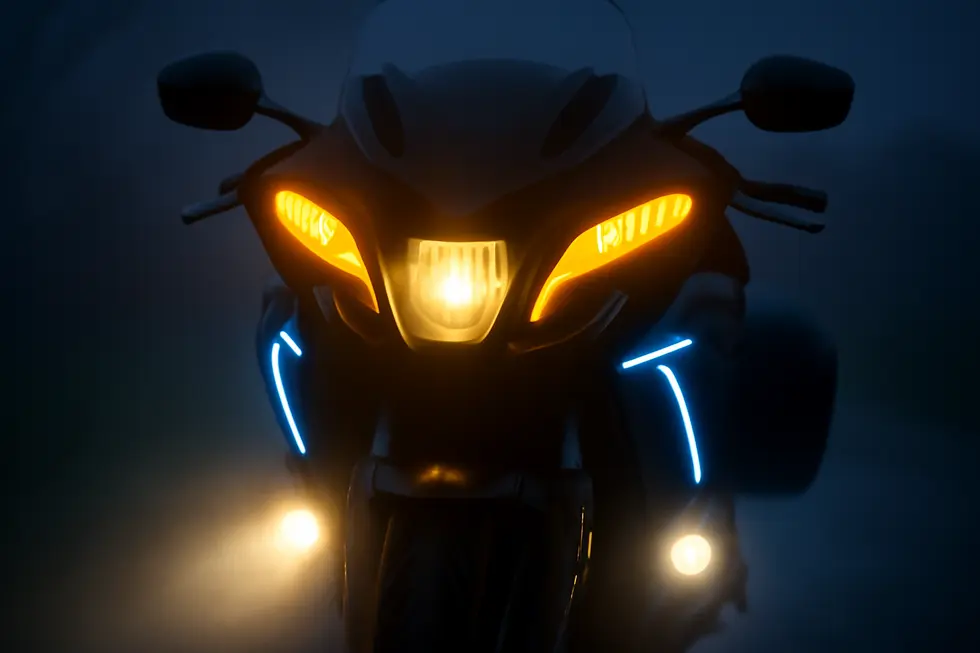
1. Seamless Safety and Style: The Role of LED Turn Signals in Motorcycle Fairings
LED turn signals integrated into motorcycle fairings represent a pivotal advancement in rider safety and aesthetic appeal. Their superior brightness outperforms traditional bulbs, dramatically increasing visibility from multiple angles, which is crucial for communicating rider intentions on busy roads. These turn signals often combine multiple functions—including running and brake lights—into a single, streamlined unit, preserving the sleek contours of the fairing without sacrificing utility. Designed to withstand vibration, weather exposure, and shock, they provide durable performance backed by waterproof construction. Their compact and diverse shapes easily blend with various fairing styles to match any motorcycle’s character, from classic to contemporary. Installation is frequently simplified with plug-and-play options tailored for popular models, eliminating complex wiring challenges. By merging enhanced illumination, rugged durability, and integrated design, LED turn signals in fairings elevate both road safety and visual sophistication, making them an indispensable upgrade for riders seeking functional customization. For more insight into how fairings enhance motorcycle design and function, explore our comprehensive guide on motorcycle fairings.
2. Fog Lights in Motorcycle Fairings: Enhancing Rider Safety Through Superior Visibility in Challenging Weather
Fog lights integrated into motorcycle fairings provide essential illumination for riding through fog, rain, snow, and dust. Designed to cast a wide, low, and diffused beam, these lights illuminate the road surface and edges without producing glare that can impair the rider’s vision. Their strategic low mounting on the fairing or frame helps cut through mist and precipitation, making obstacles and road markings clearer in poor visibility. Leveraging LED technology, modern fog lights offer brighter illumination with increased energy efficiency and longevity compared to older halogen types. They typically emit yellowish tones around 3000 Kelvin for better penetration or cool white light for clearer visibility in varied conditions. Besides improving what the rider sees, fog lights also enhance the motorcycle’s presence to other drivers, boosting overall road safety. Their compact, universal designs make them a popular upgrade, especially for touring motorcycles that frequently encounter adverse weather. For riders exploring fairing options, resources like the explore summit fairings blog offer valuable insights on compatible lighting and mounting solutions.
3. Enhancing Style and Safety: The Dual Role of Accent Illumination in Motorcycle Fairings
Accent illumination on motorcycle fairings combines style with functionality by improving daytime visibility while elevating the bike’s overall aesthetic. Utilizing LED technology, these lights often take the form of strips, switchback lights, or underglow kits that can be customized for brightness and color. This versatility allows riders to personalize their motorcycles with vivid lighting effects that catch the eye without compromising safety. Switchback lights are particularly effective, offering bright white daytime running lights for visibility and shifting to amber signals for communication. Meanwhile, accent lighting integrated into fairings complements a motorcycle’s design, accentuating curves and shapes, which enhances visual appeal even in daylight conditions. This seamless blend of form and function means accent illumination not only beautifies the bike but also boosts rider presence on the road, reducing accident risks. For motorcyclists exploring upgrades, delving into options for fairing illumination provides a perfect balance between enhancing style and safety. For more insights on customizations, visit the Summit Fairings blog.
4. Revolutionizing Visibility: The Impact of LED Technology on Motorcycle Fairing Lights
Motorcycle fairing lights have transformed with LED technology, combining efficiency and resilience for enhanced rider safety. Unlike traditional bulbs, LEDs are solid-state, enduring vibrations and shocks inherent to riding. Their compact size allows seamless embedding within fairings, preserving aerodynamic design while maximizing brightness. This brightness focuses light precisely, improving road visibility without impairing other drivers’ vision. Advances also enable innovative safety features like cornering lights that illuminate the bend ahead, improving rider anticipation and visibility to others. Beyond function, LED integration enhances motorcycle aesthetics by tracing body lines with subtle illumination, creating distinctive daytime and nighttime profiles. This fusion of design and technology not only elevates safety but also offers riders custom styling options. The continued evolution of LED fairing lights represents a vital step in marrying visual appeal and practical safety in modern motorcycle lighting. For exploring tailored options, Summit Fairings provides a comprehensive resource on motorcycle fairings and compatible lighting enhancements.
5. Enhancing Safety and Style: The Economic and Social Influence of Motorcycle Fairing Lights
Motorcycle fairing lights significantly impact rider safety by improving visibility and communication with other road users. Modern LED technologies provide brighter, energy-efficient illumination, making motorcycles more noticeable, especially in low-visibility conditions. Integrated lighting systems combining turn signals, brake lights, and fog lights help reduce collision risks, while aerodynamic fairings with embedded lights contribute to stability and protection at higher speeds. Beyond safety, these lights are essential customization elements, enabling riders to express their unique style through a variety of finishes, colors, and materials like UV-resistant ABS plastic. This personalization trend supports bike longevity and aesthetics while simplifying installation via vehicle-specific lighting kits. Economically, the market benefits from technological innovation and growing demand for eco-friendly materials, driving industry growth and sustaining jobs. Collectively, motorcycle fairing lights foster safer riding experiences, personalized designs, and a dynamic marketplace that reflects evolving rider preferences and environmental awareness. For more on fairing options and customization, explore resources at Summit Fairings.
Chapter 2: Installation Techniques and Material Compatibility for Motorcycle Fairing Lights
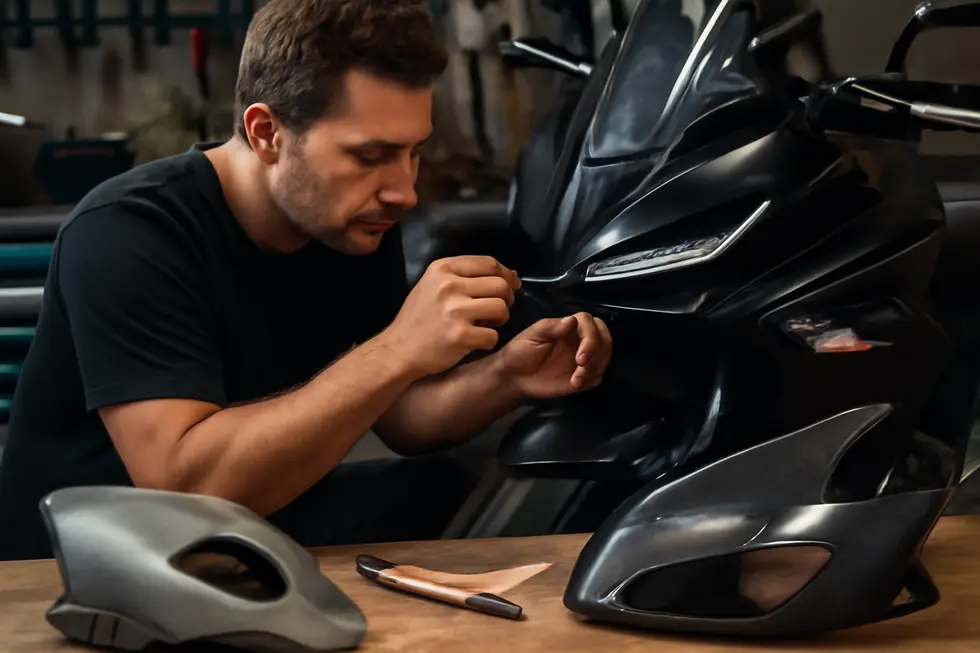
1. Optimizing Mounting Hardware and Bracket Selection for Durable Motorcycle Fairing Light Installations
Mounting hardware and brackets are pivotal in securing motorcycle fairing lights with lasting stability and safety. Selecting brackets tailored to the motorcycle model ensures precise fit and reliable support, often fabricated from corrosion-resistant materials like aluminum or stainless steel. These metals provide robust strength while resisting environmental wear critical for outdoor use. Proper installation demands aligning brackets meticulously with frame or fairing mounting points and fastening them with appropriate hardware, such as Allen bolts tightened to recommended torque to avoid loosening or damage. To mitigate vibrations and safeguard delicate fairing surfaces, many quality brackets incorporate rubberized padding where they contact the bike. Wiring management is equally essential; cables must be routed away from heat sources and moving parts using clips or ties, ensuring longevity and safety of electrical connections. Additionally, protecting sealed joints with butyl sealant guards against water and dust intrusion, preserving functionality. This integrated approach guarantees mechanical integrity, electrical reliability, and weather resistance, enhancing both the performance and aesthetics of motorcycle fairing light installations. For those interested in installation guidance, exploring specialized motorcycle fairing options can provide further insights.
2. Essential Wiring Practices for Reliable Motorcycle Fairing Light Installation
Installing motorcycle fairing lights demands meticulous attention to wiring to ensure safety and durability. Proper routing is vital; wires must be secured with cable ties and run through protective grommets to avoid abrasion from heat, vibration, or moving parts. Matching the electrical capacity of existing circuits is crucial to prevent overloads that could lead to failures or hazards. Using manufacturer-approved connectors guarantees firm, weather-resistant seals that endure exposure to the elements. Equally important is selecting corrosion-resistant hardware, such as stainless steel fasteners, to maintain mechanical integrity over time. Following wiring color codes and connection guidelines avoids malfunctions and shorts, while preventing exposed conductors safeguards against electrical faults. Installation quality benefits from using correct soldering or crimping methods, complemented by waterproof protection like heat shrink tubing at splices. Final testing and inspection confirm secure, fully operational lighting. For more insights on compatible fairings and installation, explore the comprehensive resources available at Summit Fairings.
3. Ensuring Durable Bonds: Material and Adhesive Compatibility in Motorcycle Fairing Light Installation
Successful installation of motorcycle fairing lights hinges on selecting adhesives that harmonize with the fairing materials. Common substrates like ABS plastic, fiberglass, polycarbonate, and aluminum each demand specific adhesive characteristics to ensure strong, lasting bonds without damaging the surfaces. ABS plastic, a favorite for fairings due to its impact resistance and flexibility, requires adhesives free from aggressive solvents that might cause warping or brittleness. Meanwhile, aluminum parts, often used for mounting brackets, need adhesives that resist galvanic corrosion and withstand vibrations. Proper surface preparation—cleaning, slight abrasion, and sometimes priming—is essential to improve adhesion, especially on low-energy surfaces. Beyond chemical compatibility, these materials must endure UV exposure, moisture, and temperature fluctuations, meaning adhesives should not degrade or discolor over time. Matching mounting hardware to materials also prevents material stress and corrosion. For a detailed guide on gluing motorcycle fairings, consult this resource on best practices for fairing adhesives. This integrated approach ensures reliable, safe, and aesthetically pleasing fairing light installations.
4. Navigating Bolt-On and Bonding Methods: Practical Installation Choices for Fairing Lights
Choosing between bolt-on and bonding installation methods for motorcycle fairing lights depends on the desired balance of durability, aesthetics, and material compatibility. Bolt-on installation uses mechanical fasteners such as bolts and screws that attach directly to existing mounting points, providing a secure and adjustable fit. This approach is favored for heavier components like LED headlights and fog lamps due to its robust mechanical strength and reversibility without damage. However, visible hardware can affect the sleekness of the fairing’s appearance.
In contrast, bonding installation employs specialized adhesives or double-sided tapes to mount lights flush against smooth surfaces like ABS plastic or fiberglass fairings. This technique offers a hardware-free, clean look ideal for accent lights or trim strips but demands meticulous surface preparation and compatible adhesives to withstand vibration and weather exposure. While simpler in tool requirements, bonding may risk adhesive failure over time or damage to the fairing upon removal.
Material choice also guides installation: ABS plastic accommodates both methods but requires care with bolt tightening to prevent cracks. Fiberglass needs protective grommets for bolts and chemical-safe adhesives. Selecting the proper installation approach ensures a balance between functional reliability and visual integration, an important consideration for enhancing both safety and style in motorcycle fairing lighting. Further insights on compatible materials and techniques can be found at Summit Fairings’ blog exploring motorcycle fairings.
5. Securing Stability: The Critical Role of Fairing Support Brackets in Fairing Light Installation
Fairing support brackets serve as the backbone for installing motorcycle fairing lights, ensuring a firm, vibration-resistant mount that preserves alignment and structural integrity. These brackets must be carefully matched to a motorcycle’s frame and fairing design, considering compatibility with materials like ABS plastic, fiberglass, or carbon fiber to prevent galvanic corrosion and ensure longevity. Typically made from durable steel or lightweight aluminum alloys, support brackets often incorporate vibration-dampening features or coatings that shield the fairing and integrated lights from impact stresses during riding. Proper installation requires securely fastening brackets to designated frame points using recommended torque specifications to avoid damage and maintain safety. The choice and installation of these brackets are vital not only to protect the fairing lights from road vibrations but also to uphold the aesthetic and aerodynamic qualities of the motorcycle. For riders considering upgrades, consulting the motorcycle’s service manual and adhering strictly to manufacturer instructions is essential. For more insights on compatible fairings suited for effective lighting integration, explore this resource on motorcycle fairings.
Chapter 3: Leading Brands and Product Offerings in Motorcycle Fairing Lights
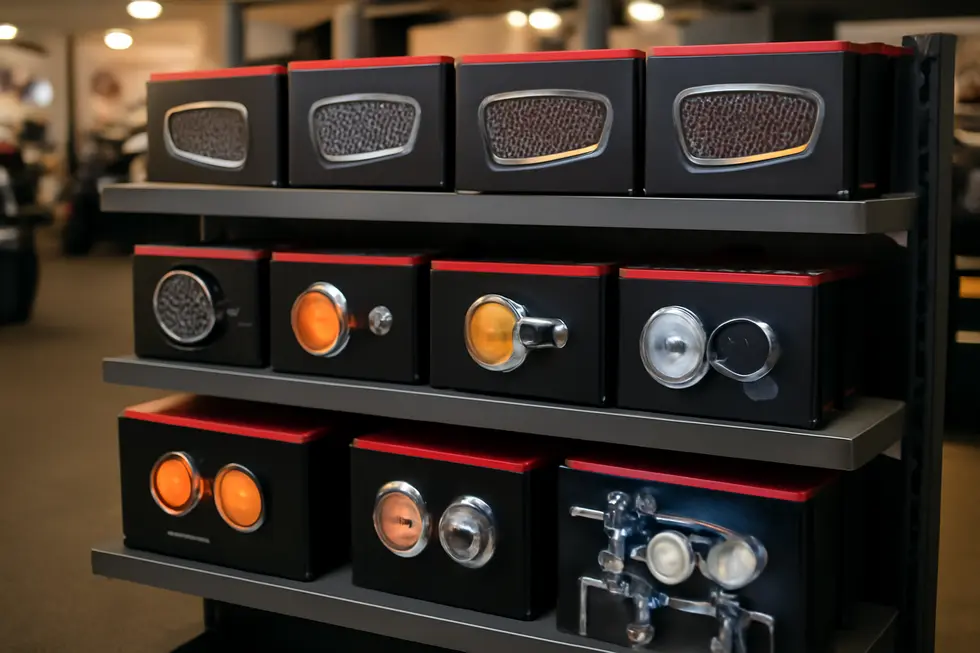
1. Pioneering Smart Lighting Technologies Shaping Motorcycle Fairing Enhancements
Leading brands in motorcycle fairing lights are embracing cutting-edge technologies that enhance both functionality and rider safety. The adoption of high-performance LED systems stands out, offering brighter illumination with greater energy efficiency and durability tailored to diverse riding conditions. Beyond illumination, some manufacturers are integrating intelligent safety innovations such as radar-based rider assistance systems. These features, while not limited to fairing lights, signal a movement toward connected, responsive lighting solutions that could dynamically adapt to real-time traffic data and obstacles. Additionally, the industry’s push towards electrification and improved battery technology indirectly influences lighting design, demanding more efficient power use and integration. Together, these advancements reveal how brands are evolving motorcycle fairing light offerings from simple visibility aids into sophisticated, multifunctional components that contribute to safer and smarter riding experiences. For riders exploring upgraded fairing options, discovering affordable and stylish selections can be done through sources like Summit Fairings.
2. Market Forces and Economic Trends Shaping Motorcycle Fairing Light Innovations
The market for motorcycle fairing lights is deeply influenced by broader economic and industry trends. Despite a general slowdown in major motorcycle launches and investments around 2025, niche sectors such as custom and retro bikes maintain steady demand. This dynamic fuels the need for advanced, integrated lighting solutions that blend safety and style. Leading motorcycle manufacturers drive innovation by incorporating efficient LED systems and refined fairing designs in new models. This, in turn, encourages suppliers to diversify product offerings—from minimalist LED indicators to robust fog lights crafted with durable materials like ABS and carbon fiber. Advances in material science hint at future lightweight, energy-efficient lighting options that could redefine the aftermarket landscape. Consequently, the industry balances consumer desires for personalized, high-performance lighting with evolving technological capabilities. For enthusiasts seeking customization, exploring quality fairings can complement lighting upgrades, enhancing both aesthetics and visibility.
3. How Geopolitical Trends Shape Innovation and Supply in Motorcycle Fairing Lights
Geopolitical dynamics deeply impact the landscape of motorcycle fairing lights, influencing how leading brands innovate and deliver their products globally. Manufacturing hubs in Asia, including Taiwan and Vietnam, dominate the supply chain due to their established infrastructure and cost efficiencies, but trade policies and tariffs frequently shift sourcing strategies. Simultaneously, regions with advanced research ecosystems drive material innovations, such as cutting-edge composites that enhance fairing durability and performance. Regulatory environments and regional safety standards further shape product design, steering brands to tailor lighting solutions that meet diverse market requirements. Global trade events foster collaboration, enabling brands to respond rapidly to evolving geopolitical contexts. Emerging economies investing in aerospace composite technologies also indirectly affect component availability and quality. Together, these factors create a complex interplay of political, economic, and technological forces that define the competitive edge and product offerings of top motorcycle fairing light manufacturers. Explore more about fairing innovations and supply considerations in this detailed source.
4. Innovating Visibility and Safety: How Leading Brands Elevate Motorcycle Fairing Lighting
Leading brands in motorcycle fairing lights have transformed rider safety by advancing visibility technologies that integrate seamlessly into motorcycle fairings. These companies prioritize robust LED solutions that provide clear, bright illumination for turn signals, running lights, and fog lamps, enhancing rider awareness in various conditions. Their innovations cater not just to functionality but also durability, with designs engineered to withstand road vibrations and impacts. Beyond engineering, these brands contribute to the broader motorcycle community by supporting initiatives that promote road safety and camaraderie among riders. Technological progress, such as flexible LED mounts and energy-efficient lighting, merges with evolving trends in materials and electric motorcycle development, driving fairing light systems toward greater reliability and style. This synergy of safety, design, and community involvement ensures that fairing lights are not only crucial for visibility but also a key element in elevating the overall motorcycling experience. For more insights, explore the range of premium motorcycle fairings that complement advanced lighting solutions.
5. Expanding Horizons: Product Variety and Customization in Motorcycle Fairing Lighting
Leading motorcycle brands have embraced extensive product variety and deep customization options to satisfy diverse rider preferences. They offer a broad spectrum of fairings crafted from materials like carbon fiber, ABS plastic, and fiberglass, each catering to performance, style, and durability needs. These fairings often come in multiple colors and unique graphics, allowing riders to express individuality while enhancing aerodynamics.
In lighting, the shift toward LED technology is prominent—brands provide choices in wattage and design that improve visibility and energy efficiency. Models often feature integrated wide LED headlamps merged with aerodynamic fairings, seamlessly combining form and function. Such integration supports customization across categories, from street to off-road motorcycles, ensuring lighting setups adapt to varied riding conditions.
This growing emphasis on modularity and aesthetic appeal reflects riders’ demands for both safety and personalization. For those exploring comprehensive customization options, the explore the best motorcycle fairings at Summit Fairings offers valuable insights into modern fairing choices and customization trends.
Chapter 4: Technological Features and Safety Benefits of Motorcycle Fairing Lights
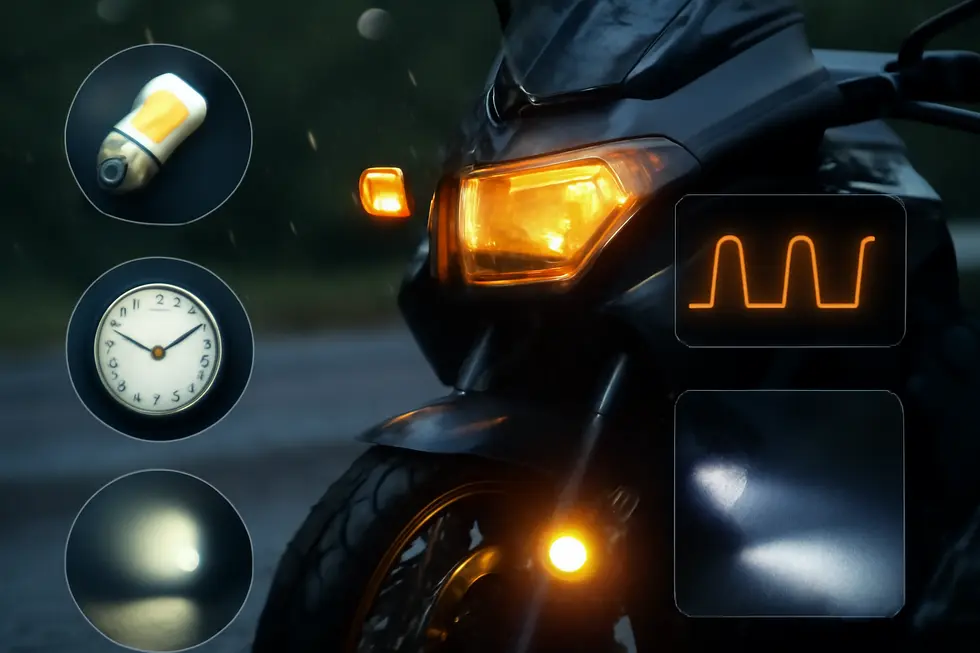
1. Innovative Fairing Light Technologies Elevating Motorcycle Visibility and Safety
Motorcycle fairing lights have evolved through innovative technologies that merge aesthetics with critical safety functions. Switchback lights, combining white daytime running lights and amber turn signals, enhance rider visibility by adapting to changing light conditions—offering bright presence during the day and clear signaling at night. Integrated LED and projector headlights embedded in fairings provide powerful, focused illumination that improves both the rider’s vision and the motorcycle’s conspicuity, all while maintaining aerodynamic efficiency. Fiber optic lighting adds subtle, customizable contour accents that enhance side visibility during lane changes and turns, a vital safety feature often overlooked. Advances in adhesives and fairing materials such as ABS plastic and fiberglass enable these lights to be securely bonded, ensuring durability against vibration and environmental factors. These technological strides not only amplify visibility and signaling clarity but also integrate seamlessly into fairing designs, making them a fundamental upgrade for rider safety and motorcycle styling. For more on the blend of design and functionality in motorcycle fairings, explore unique options available at Summit Fairings.
2. Economic and Safety Impacts of Advanced Fairing Light Integration in Motorcycles
Advanced fairing lights, predominantly LED systems, have reshaped the motorcycle industry by merging technological innovation with heightened safety. Integrating these lights into aerodynamic fairings enhances visibility while contributing to a bike’s modern appeal, influencing market positioning and consumer demand. Manufacturers face upfront costs in research and tooling, yet the long-term benefits include improved brand reputation and wider adoption as LED lighting becomes a safety standard. Concurrently, the aftermarket sector thrives as riders upgrade existing bikes, extending their service life and supporting accessory markets. From a safety standpoint, fairing-mounted LEDs significantly boost conspicuity in diverse conditions, directly addressing accident risks caused by low visibility. These lights also complement aerodynamic designs without disrupting airflow, allowing motorcycles to maintain efficiency and rider comfort. This synergy of economic influence and improved safety underscores the critical role of advanced fairing lights in motorcycle evolution. For a deeper look into fairing options that accommodate such lighting innovations, visit explore the best motorcycle fairings at Summit Fairings.
3. Navigating Global Regulations and Geopolitical Challenges in Motorcycle Fairing Light Safety
Motorcycle fairing lights must meet diverse international regulations that shape their design and deployment. Regulatory authorities like the U.S. Department of Transportation (DOT) and European ECE impose distinct standards influencing light color, brightness, and certification markings. Manufacturers face the challenge of developing adaptable lighting solutions that comply across regions while maintaining innovation in LED technologies. Trade policies and geopolitical tensions further complicate supply chains, affecting component sourcing and pricing. These dynamics drive manufacturers to balance advanced safety features, such as high-visibility LED turn signals and fog lights, with legal compliance. Moreover, environmental mandates and region-specific safety priorities demand tailored lighting characteristics to enhance rider visibility in local conditions. Understanding this regulatory mosaic is vital in producing motorcycle fairing lights that both elevate safety and meet rigorous certification demands worldwide, underscoring the intrica