

Motorcycle enthusiasts know that the right fairing can significantly enhance both the appearance and performance of their ride. Among the options available, batwing fairings stand out for their classic style and exceptional wind protection. This article delves into top picks for batwing fairings, including the premium offerings from Harley-Davidson and the more affordable ECOTRIC options. Additionally, we will explore how accessories like the Splitstream Vent Trim can enhance your fairing’s style. Finally, we’ll provide tips for choosing the best motorcycle batwing fairing to suit your unique needs, ensuring that every ride is a blend of aesthetic appeal and performance.
Silent Wings, Bold Lines: Navigating the Batwing Fairing Question for Touring Motorcycles
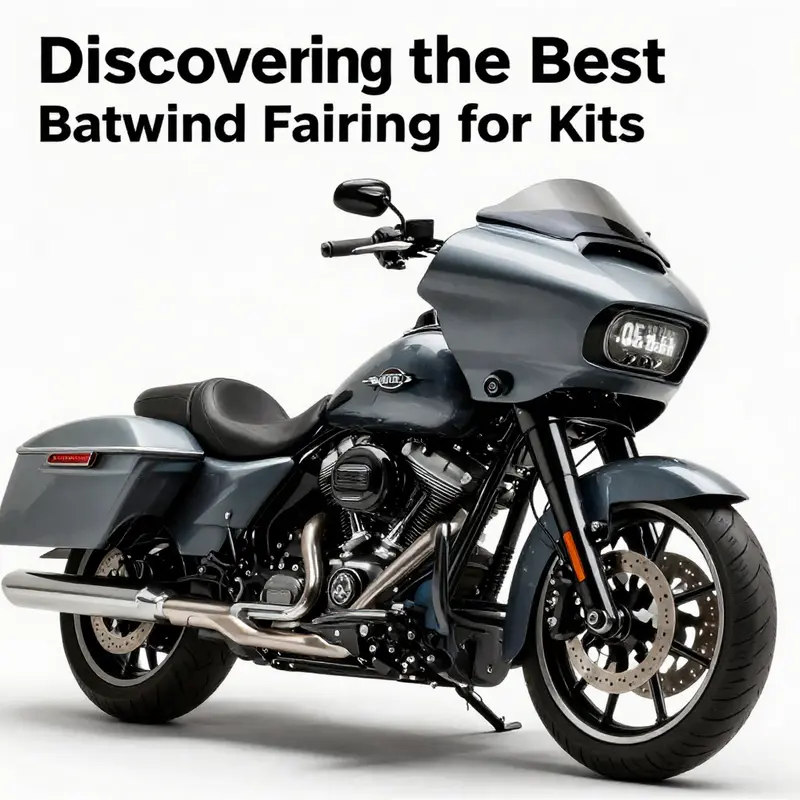 The batwing fairing is more than a store-bought accessory; it is a hinge between function and form that defines how a touring motorcycle meets the road. For riders seeking a look that communicates both purpose and personality, the choice of fairing becomes a daily conversation between aerodynamics, weather protection, and visual balance. There are broadly two routes that riders pursue: the factory-leaning path that leans on the OEM design to preserve authenticity and resale confidence, and the aftermarket pathway that invites customization, cost efficiency, and a more personal silhouette. Between these two philosophies lies a spectrum of options, each with its own tradeoffs. What counts most is how the fairing works with your bike’s overall geometry, how it complements your riding posture, and how it harmonizes with the paint and chrome you’ve invested in over the years. In this sense, the best choice is less about a single flawless piece and more about a cohesive decision that respects both the bike’s architecture and the rider’s ambitions on the open road.
When riders think about an OEM approach, they often imagine a complete, factory-faithful integration. The inner fairing, designed to marry to the bike’s windscreen, lowers, and instruments, becomes the backbone of a clean, uninterrupted line. The appeal is clear: color matching the inner component to the bike’s final paint and the seamless, weather-tight construction that protects against rain, wind, and road spray. An OEM inner fairing carries with it a focus on fitment—engineered to nestle against joints, brackets, and wiring harnesses with minimal gaps. The result is a look that feels calibrated rather than cobbled, a factory finish that instantly communicates a sense of care and attention. This is not merely about appearance; a precise fit helps maintain airflow stability around the rider, reducing turbulent gusts at highway speeds and contributing to a calmer, more controlled ride. In practice, this path is often the most straightforward for owners who are investing in a touring platform over time and who want to preserve the model’s original design language.
Beyond the color and the quiet, the inner fairing can carry a practical story worth acknowledging. ABS plastic, used for its balance of lightness and durability, shields riders from wind and weather without inviting excessive weight. The shatter resistance of the material supports long-term reliability in a machine that regularly encounters highway gusts and encounters with debris. The color-matched inner fairing provides a clean canvas for the rest of the bike’s styling cues, ensuring that subtle details—bezel lines around gauges, the curvature of mounting points, and the contour of the speaker housings—read as a single, intentional composition rather than a patchwork of disparate parts. For the purist, the OEM route is less about chasing the latest trend and more about preserving the integrity of the original design while upgrading to a more finished, factory-looking installation. The tradeoff, of course, is price and the narrower scope of compatibility across model years. Since this path is tied to specific Touring family architectures, the opportunity to swap in a universal alternative later can feel more complex or costly, even as the payoff comes in longevity and alignment with the bike’s established lines.
On the other end of the spectrum lies the universal or aftermarket batwing solution. These options open the door to a wider array of sizes, shapes, and mounting schemes, often at a more accessible price point. They appeal to riders who value customization, who want to give a bike a distinctive silhouette that sets it apart from the showroom floor. A universal batwing is typically built from sturdy ABS plastic as well, with an emphasis on light weight and the ability to accommodate a variety of windshields. The initial appeal—broad compatibility—can be balanced by a careful evaluation of fitment, including the alignment of mounting points with existing saddlebags, fairing brackets, and the speedometer console. Universal kits frequently come with a stand-alone windshield, which offers an opportunity to tailor field-of-view and wind protection without committing to a full fairing reveal. The practical challenge, however, is achieving a seamless integration that looks like a single, deliberate design rather than a forced assembly. Some riders find that trim lines and gaps appear more conspicuous on a non-OEM shell, especially when the fairing interfaces with a painted fuel tank curve or a carefully tuned instrument panel. The upside is clear: a broader market, more color choices, and the possibility of changing the aesthetic mid-career as the rider’s tastes evolve.
Within this spectrum, an important yet often overlooked enhancement is the subtle art of finishing touches. While the fairing itself provides the framework, the appearance can be elevated by a single, well-chosen accessory. A one-piece vent trim, for instance, can replace the original soft, satin-black edge to present a more structured, rock-solid silhouette that reads as a deliberate, high-end feature rather than a functional add-on. The vent trim’s value lies in its capacity to reinforce the fairing’s sweep and to give the riding stance a more modern, aggressive edge without altering the underlying geometry. This kind of refinement is particularly appealing to riders who have already invested in a base fairing and wish to upgrade the visual impact without the time or cost of a full re-shell. The effect is not merely cosmetic; it can influence how the eye travels along the bike’s profile, helping the front end to read as a cohesive unit from every angle. For some, the trim’s rigid profile creates a crisp break that mirrors the angular lines found on modern touring aesthetics, while for others it serves as a subtle counterpoint to chrome or dark-tinted finishes elsewhere on the machine. The choice to adopt such a trim should factor in paint shade, overall color balance, and the bike’s lighting, ensuring that the finish reads consistently in daylight and at dusk.
Wind management occupies a separate but equally crucial role in determining the best fairing setup. A dedicated wind deflector mounted on the upper edge of the fairing can dramatically cut wind buffeting for the rider’s shoulders and helmet at higher speeds. A deflector of modest height can lift the wind over the rider’s helmet, reducing fatigue on long rides and supporting clearer neck and shoulder posture after hours in the saddle. The material—often a tough, scratch-resistant polycarbonate—helps preserve clarity while resisting clouding from sun exposure. The wind deflector’s height and curvature are carefully chosen to preserve the fairing’s line while delivering a measurable improvement in rider comfort. In conversations about performance, this is a reminder that the best fairing is seldom a single element; it’s a set of matched components that work together to deliver a stable air cushion around the rider. When the fairing, windshield, vent trim, and deflector are selected with an eye toward balance, the result is a ride that feels engineered rather than retrofitted.
The choice between OEM and aftermarket paths also hinges on how a rider uses the bike. Weekend warriors who relish twisty backroads might prioritize nimble handling and an affordable aesthetic upgrade that still respects the bike’s line. For them, a universal batwing with a high-quality windscreen and a thoughtfully chosen vent trim can deliver a bold look at a lower price point, along with the assurance that the parts can be swapped if tastes or riding needs change. Long-haul travelers, with the ride’s end in view as much as the destination, might lean toward the OEM route or a carefully matched aftermarket kit that vows to preserve the factory’s line while ensuring that the wind protection remains predictable across different speeds and weather. In both cases, the goal is to maintain a harmonious mass distribution and minimize any alteration to the bike’s steering feel or weight at the bars. The alignment of brackets, the snugness of seals, and the way the fairing interacts with the bike’s fairing lowers will often determine whether the installation feels like a factory job or a clever upgrade. This is why, even in a market with clear best practices, the rider’s own measurements, skill with basic tools, and willingness to follow precise installation guidelines ultimately decide the outcome.
As a rider contemplates the path forward, it helps to view the decision as a continuum rather than a binary choice. The ideal setup respects the motorcycle’s original design intent while allowing room for personal expression. An authentic, color-matched inner fairing guarantees a cohesive, long-lasting relationship between rider, bike, and the road; a universal battwing offers the freedom to redefine the bike’s face as tastes evolve; and a refined vent trim or wind deflector can add a touch of polish that elevates the entire silhouette without requiring a wholesale redesign. The most compelling installations rarely arrive in a single piece of hardware; they emerge from a thoughtful combination of shell, trim, wind management, and a careful appraisal of fitment and finish. The result is a motorcycle that feels tailored to the rider’s body and riding style, yet still rooted in the machine’s original, enduring silhouette. The decision, consequently, centers on the rider’s priorities: preserve originality and be meticulous about fit, or embrace customization with a willingness to manage compatibility and installation details. Either path can yield a ride that looks, feels, and performs as if it grew from the factory floor, with the rider’s personality stamped across the fairing’s sweep.
For readers seeking a practical next step, consider how your own bike sits in this continuum. Examine your current wind exposure, the color scheme you prefer, and how often you ride in rain or sun. If your touring bike already feels balanced and you prize a factory-fresh look, the color-matched inner fairing can deliver that sense of cohesion you’ve envisioned for years. If your heart leans toward a more personal statement, a universal option offers a canvas that invites customization, while a vent trim or wind deflector provides a finishing touch that sharpens the design without redefining the bike’s essence. In all cases, verify compatibility with your model year and ensure that mounting points, wiring, and seals are addressed during installation. The best batwing setup is the one that respects the bike’s architecture, protects the rider from the elements, and presents a look that you’ll be proud to ride every mile.
External reference for further reading and official guidance can be helpful as you approach the decision. For a manufacturer-guided overview and broader context on fit and finish, see the official site: https://www.harley-davidson.com
Winged Value on the Road: A Thorough Look at the ECOTRIC Universal Batwing Fairing for Budget Cruisers
 The batwing fairing has long carried the aura of a motorcycle’s serious touring DNA. It is not just a wind shield; it is an aerodynamic, aesthetic choice that signals intention to ride farther, longer, with less fatigue. For riders who crave that wide, classic silhouette without paying the premium for factory gear, an affordable universal option can be the smart middle ground. Among these options, the ECOTRIC Universal Batwing Fairing stands out as a pragmatic, budget-conscious path to achieve the iconic look while keeping the pockets relatively intact. This chapter threads together why such a universal fairing appeals to a broad spectrum of riders, what it promises in terms of comfort and protection, and how to evaluate its fitment, all while keeping sight of the bigger picture: style that serves the ride rather than the other way around.
The ECOTRIC universal batwing is designed to deliver the recognizably sweeping lines that define the style—without tying you to a particular motorcycle model or brand. Its key selling point is broad compatibility. The kit is described as a universal fit, meant to complement many cruiser-style motorcycles rather than be a factory-specified accessory. This strategy appeals to riders who want the batwing look on a budget or who own multiple bikes and prefer one fairing that can move between them with minimal drama. The fairing typically comes with a wide, clear windshield and a substantial profile that channels air around the rider, creating a more settled ride at highway speeds. In practice, the effect is twofold: a calmer upper body posture that reduces fatigue, and a visually striking shield that communicates purpose even when the bike is parked.
From a performance standpoint, the material matters as much as the shape. ABS plastic has emerged as the workhorse for affordable fairings because it balances light weight with reasonable impact resistance and UV stability. The ECOTRIC kit follows this pattern. The durability of ABS helps it resist cracking under road debris and keeps the fairing looking decent after months of sun exposure and variable weather. The canopy or windshield of such kits is typically clear, which preserves the rider’s line of sight and ensures the fairing doesn’t compete with the bike’s existing aesthetics. Because these pieces are not molded to a single OEM contour, the result is a look that is undeniably batwing yet unmistakably aftermarket—a blend many riders embrace when their aim is value rather than showroom exactness.
Installation and fitment are perhaps the most important practical considerations for a universal fairing. The ECOTRIC batwing is engineered to attach to a broad range of mounting points, meaning a careful rider can secure it with limited or modest modification. The process usually involves aligning the fairing’s mounting points with the bike’s frame, handlebars, and sometimes the fork or triple clamp region. The difficulty of achieving a clean, sturdy mount varies with the model and year of the bike, as well as the rider’s comfort with basic fabrication or bracket adjustments. The promise is straightforward: if you follow the manufacturer’s instructions, you can achieve a clean, stable presentation without the premium hardware or professional installation that OEM kits often require. The tradeoff, naturally, is that gaps around the edges, minor visibility of mounting brackets, or subtle alignment tweaks may be part of the setup. For many riders, those tradeoffs are acceptable when the visual payoff and the ride quality come together in a single, affordable package.
Comfort on the road is where a fairing earns its keep. A well-engineered unit should translate into tangible benefits: reduced wind buffeting on the chest and shoulders, less wind noise at highway speeds, and a more controlled airflow around the rider’s torso. These factors translate into less rider fatigue over long days in the saddle. The ECOTRIC model, with its wide silhouette and relatively tall windshield, delivers this calmer airflow to many riders who previously relied on goggles or lower screens to manage wind pressure. It is worth noting, however, that the universal design means some bikes will present minimal gaps that a dedicated OEM fairing would seal perfectly. Conversely, riders with taller windscreens or dual-protection setups may notice a more seamless wind management experience when pairing the ECOTRIC fairing with additional wind-deflecting accessories.
Durability and upkeep form another practical axis for consideration. ABS plastic stands up to the daily grind of road spray and incidental impacts, and the ECOTRIC kit typically benefits from UV resistance that helps prevent chalking or fading of the plastic over time. Regular cleaning and a light wax can help maintain clarity on the windshield and preserve the surface integrity of the fairing. While the material performance aligns with expectations for an affordable aftermarket component, the ongoing cost calculus remains favorable when compared with OEM fairings that carry a heavier price tag and sometimes require dealer-level services for same-spot fitting.
Aesthetics, of course, play a vital role. The batwing silhouette carries a dose of retro swagger with a modern edge, and even a budget-friendly universal fairing can elevate the visual impact of a motorcycle without altering its essential lines beyond the fairing itself. The ECOTRIC unit often serves as a bold canvas for paint matching and accessory customization. Some riders opt for a straightforward, clean look, while others lean into the classic, batwing-styled stance and pair the fairing with a few complementary trim pieces or tone-on-tone finishes to achieve a tailored vibe. In this space, the narrative often centers less on exact fit and more on how the bike’s silhouette changes when the batwing is mounted. The result can be a bike that looks more deliberate, more road-ready, and more capable of long-haul adventures.
To those who weigh options against the exact fit of factory pieces, it helps to frame a universal fairing as a modular upgrade. The ECOTRIC kit can be viewed as a base platform for a broader upgrade strategy rather than a single, all-encompassing solution. Riders who want a more refined look sometimes pair the fairing with a purpose-built vent trim or other trim components to achieve a sharper, more contemporary appearance. In the Harley community, a notable example is a one-piece vent trim that replaces the standard satin black edge with a rigid, styled component. While this is not a full fairing upgrade, it demonstrates how a few well-chosen accessories can elevate the overall look and perceived quality of an aftermarket setup. If you’re aiming for a more aggressive, modern aesthetic from the start, the ECOTRIC fairing serves as a strong canvas on which to build.
When a rider sets out to compare options, the question often returns to fit versus flexibility. OEM batwings have the advantage of being designed to match a specific bike’s geometry precisely, delivering clean lines and guaranteed compatibility. A universal kit, by contrast, offers the freedom of cross-bike usage and a lower entry price. The calculus is personal as much as practical: some riders want the feel of an engineered, brand-backed package; others want the look and function without the premium. Derek Langston, a motorcycle customization specialist, emphasizes a core principle that many riders discover after upgrading: riders who upgrade to well-engineered fairings often report improved comfort and fewer maintenance issues over time. This practical insight resonates with those who see the ECOTRIC option not just as a cosmetic update, but as a meaningful component of the bike’s touring performance. In this light, the ECOTRIC universal fairing becomes less a gamble and more a pragmatic step toward a longer, more enjoyable ride.
To help ground this discussion in reality, consider how this choice interacts with a broader ecosystem of accessories and resources. For riders who want to explore OEM alternatives or brand-agnostic options, a resource like the Honda fairings collection at Summit Fairings can be a helpful starting point to assess how fitment, finish, and mounting hardware are typically treated in the aftermarket world. Exploring a curated collection such as this can illuminate the differences in mounting philosophies, edge treatments, and color-matching realities across a range of models. For readers who are curious about the scope of compatible products across the cruiser and touring space, the Honda fairings collection can provide a comparative benchmark that helps separate what is possible from what is practical when working with a universal fairing.
In practice, the choice to go universal versus OEM is not a moral victory of one approach over the other. It is a reflection of how a rider values budget, flexibility, and the time they are willing to invest in fitting and dialing in the ride. The ECOTRIC universal batwing fairing represents a particular philosophy: you can achieve a strong, classic silhouette and meaningful comfort gains at a price point that makes experimentation feasible. If the goal is to ride farther with fewer fatigue-induced breaks, to customize the look in a way that remains reversible, and to avoid the inertia of dealer-based changes, the universal route often lands on a compelling middle ground. The practical, real-world takeaway is that options like this can deliver more miles of enjoyment per dollar when approached with thoughtful installation and a willingness to tune fitment until alignment feels right.
For readers who want to dig deeper into the accessory landscape, a well-chosen internal reference can help. Explore the Honda fairings collection to get a sense of how universal designs compare to model-specific offerings, including considerations about mounting hardware, edge detailing, and color matching that influence both function and aesthetics. Honda fairings collection offers a useful contrast point for evaluating how manufacturers approach fitment across different bikes and how aftermarket kits attempt to mimic or depart from factory geometry. While this chapter centers on a budget, universal option, the larger context of the fairing market remains an important compass for riders who want to balance look, feel, and performance.
As a practical note for anyone considering the ECOTRIC choice, verify your bike’s mounting points, measure the available clearance around the handlebars and mirrors, and assess whether any trimming or bracket work will be needed. A careful, methodical installation yields the best results—clean lines, snug mounts, and a stable wind deflector that doesn’t rattle at speed. If you go into it knowing there may be minor fitment nuances, you’ll be better prepared to achieve a result that satisfies both your eyes and your ride. The universal approach remains appealing precisely because it invites experimentation while delivering a cohesive, road-tested look that many riders want when they think about touring and long-distance comfort.
Ultimately, the conversation about the best batwing fairing for a budget-conscious build comes down to alignment of goals. If authenticity and exact fit are nonnegotiable, OEM options deserve primary consideration. If you prioritize value, versatility, and a bold stance, the ECOTRIC Universal Batwing Fairing presents a compelling case. It offers substantial comfort benefits on long rides, a durable construction that stands up to daily use, and a strong aesthetic that doesn’t force you into a single-bike commitment. In the end, the best choice is the one that fits your machine and fuels your passion for the journey ahead. For many riders, that means a practical, well-made universal option that opens the road rather than locking you into a single, expensive path.
External resource: ECOTRIC universal batwing fairing on Amazon. https://www.amazon.com/dp/B0CZ1V5Q6K
Edge Craft: Elevating Batwing Fairings with a Refined One-Piece Vent Trim
 The silhouette of a batwing fairing has long stood as a signature line on touring motorcycles, a statement that blends iconic form with purposeful function. Riders who chase the best motorcycle batwing fairing know that the clean look of the fairing is only part of the story. The details—the subtle line where the edge meets the paint, the way light catches a breeze-cut profile, and how the wind passes around the outer contour—matter just as much as the underlying aerodynamics. In this chapter we explore a premium one-piece vent trim accessory that has become a pivotal upgrade for many riders seeking to sharpen that edge without sacrificing the fairing’s native harmony. It is not merely an aesthetic enhancement; it is a considered integration that respects the batwing’s sweep while refining the visual language of the ride. The result is a more cohesive, factory-like finish that feels both deliberate and tailored to the bike’s personality.
What makes this particular trim compelling is its design philosophy. Instead of a bulky aftermarket add-on, the accessory is conceived as a seamless continuation of the fairing’s outer edge. The profile hugs the curvature along the riders’ line of sight and follows the fairing’s sweeping arc, delivering a refined silhouette that reads as an intentional upgrade rather than an afterthought. The effect is almost architectural: a single, uninterrupted line that echoes the batwing’s original geometry while delivering an extra touch of rigidity and polish. Material and construction play a crucial role here. The update replaces softer, satin-black trim with a rigid, sculpted element that preserves the clean sweep of the fairing and reduces the chance of unwanted flex or rattling at highway speeds. It’s the kind of detail that communicates craftsmanship at a glance and rewards a closer look with a more cohesive presence on the road.
Beyond the visual refinement, the vent trim acknowledges the practical realities of wind management. The modern batwing fairing often features a vent opening designed to optimize airflow around the rider’s torso and shoulders. This is not just a functional detail; it is a design feature that interacts with the bike’s aerodynamics, aiming to minimize buffeting and maintain rider comfort. The trim’s one-piece construction is shaped to preserve the vent opening’s function while enhancing the surrounding geometry. In practice, CFD—computational fluid dynamics—studies have guided the trim’s edge lines and mounting geometry so that the visual and the functional stay in alignment. The result is a component that looks purpose-built, not cosmetic, and that respects the fairing’s airflow characteristics as speeds rise and wind pressure changes.
Color and finish options expand the potential for personalization. A rider can choose a finish that matches or contrasts with the bike’s color scheme, allowing the edge to vanish into the paint for a streamlined look or to pop as a deliberate accent that draws the eye along the fairing’s sweep. The ability to tailor color is especially appealing for those who want a subtle, refined upgrade that still speaks to individuality. The installation experience reinforces this feeling of ease. The trim is designed for straightforward mounting with a minimal toolkit and the included hardware. For many riders, the process can be completed in a single afternoon, leaving the bike ready to roll with a refreshed profile and a more finished appearance. The simplicity of the install underlines a broader point: meaningful upgrades don’t always demand complex disassembly or professional labor. Accessibility matters, and the design recognizes that
In practice, this accessory sits most comfortably on established touring setups that share a common language of classic lines and broad, sweeping fairing geometry. Models such as Electra Glide, Street Glide, Ultra Limited, and Tri Glide families exemplify the visual and aerodynamic balance that the vent trim aims to complement. The result is a cohesive look that reads as a deliberate step in a rider’s customization journey rather than an isolated add-on. For those who want to explore related aesthetic directions, a broader range of fairing styles is available to browse in the general category of fairings, including collections focused on Honda, Yamaha, and Kawasaki options. It’s worth noting that while the transition between brands is not identical, the underlying principle remains: a well-executed accessory can unify the fairing’s lines across different paint schemes and model families when approached with an eye toward proportion and detail. For readers who want to see a broader landscape of fairing styles, the Honda fairings collection is a practical starting point that highlights how the shape language of a bike’s outer shell can be extended through thoughtful trims and accents. Honda fairings collection
Careful maintenance is part of preserving the effect. The trim’s crisp lines invite a closer glance, and routine cleaning helps maintain that factory-finish gloss. A mild soap, a soft microfiber cloth, and a careful approach to any cleaning solvent ensure the finish remains uniform and free of micro-scratches that could compromise the edge’s edge-to-surface relationship. Avoid abrasive cleaners or heavy solvents that could dull the luster or affect any color options. Because this is a trim with a prominent silhouette, it benefits from periodic inspection. Riders should check mounting points for looseness and verify that there is no adverse contact with adjacent components as vibrations change with speed and road texture. A quick check and re-tighten if necessary keeps the edge looking sharp and the install feeling solid, an important part of maintaining that sense of premium craftsmanship over time.
Aesthetics inevitably meet philosophy in this space. The question riders often ask is whether the upgrade is worth the investment, and the answer tends to hinge on two factors: fidelity to the bike’s character and the enhancement of the riding experience. When the trim aligns with the fairing’s geometry, it feels less like a superimposed accessory and more like a natural extension of the bike’s design language. The eye travels along the edge in a single, uninterrupted motion, and the batwing’s presence remains confident rather than fussy. That sense of cohesion can elevate not just the bike’s look but the rider’s confidence, because a well-balanced silhouette communicates a stable, controlled stance even when the wind is strong or the highway is rough. The more you reflect on the impact of such details, the more you appreciate how a single piece can influence the overall impression—from the curb to the open road.
Of course, any upgrade comes with a balance of costs and benefits. A premium one-piece vent trim represents a refined expense, but it also offers value in terms of durability, ease of installation, and the way it carries the bike’s form forward into a more polished present. For riders who prioritize OEM-like fit and finish, this approach provides a level of authenticity that is often hard to achieve with more generalized aftermarket pieces. For those who prefer a more experimental look or a sharper contrast with their paint job, color options enable a bold statement that still respects the batwing’s iconic shape. In both cases, the intent remains clear: to honor the fairing’s sweeping silhouette while delivering a visual refinement that is immediately recogni